
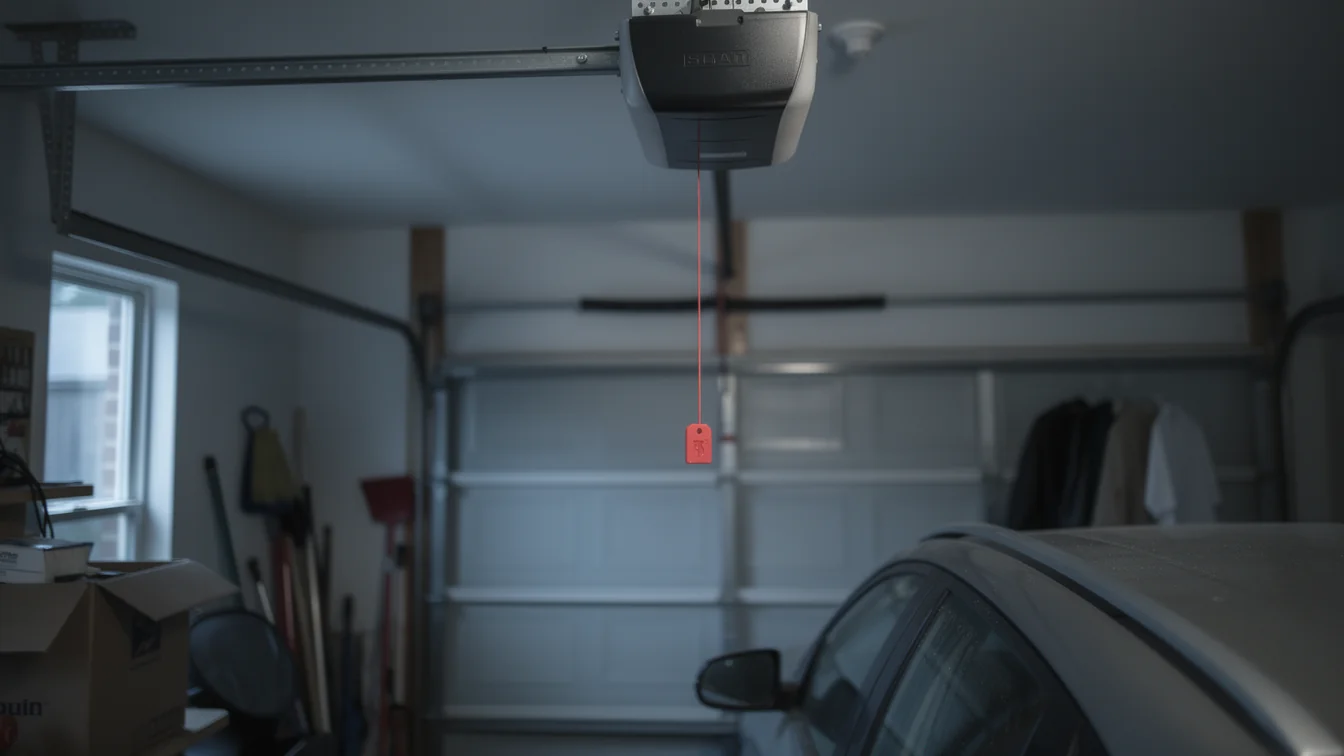
 When the Power Goes Out, What Happens to Your Opener
Sandy homes built mostly 1969-2015 run openers that struggle when a winter power cut hits.
What to Know Before You Replace a Garage Door in Sandy
A guide to buying a replacement garage door in Sandy, UT, built around this area's 1980s-90s housing stock and cold, severe winter swings that stress doors and openers.
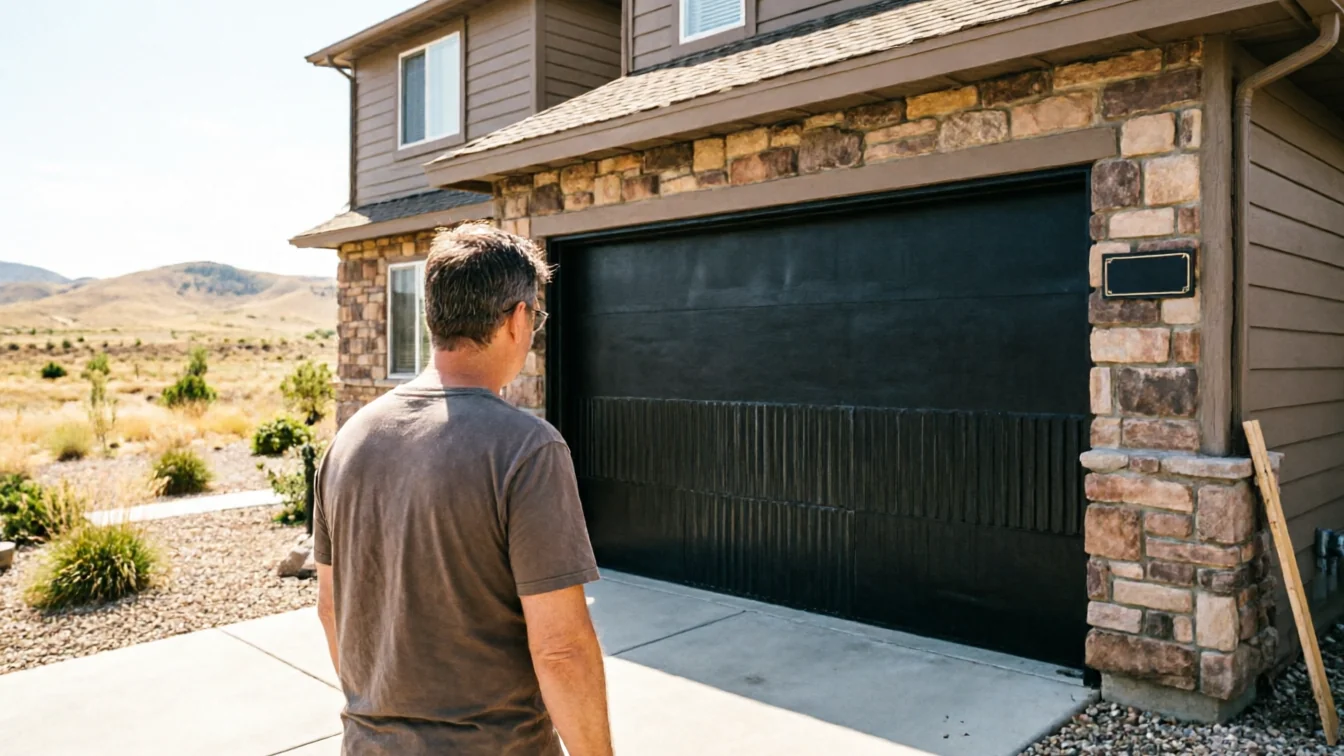
Local detail
The Situation
Most of the houses on this side of the valley went up between 1969 and 2015, with the bulk of that stock dating to the 1980s and 90s. That matters when you're shopping for a replacement, because a door built to original spec for a house from that era is almost never the same door a big box store stocks today. Track widths changed, panel thicknesses changed, and the hardware that held up fine in a 1985 build often doesn't match what's on the shelf now. Across the 29 named areas that make up this part of the valley, you'll find a mix of original doors still running on their first torsion spring and doors that have already been swapped once, sometimes with the wrong size opener bolted on to make it work. Median household income here runs north of $117,000, which means most owners replacing a door are doing it by choice rather than because they have no other option - that's worth knowing because it changes the conversation from 'cheapest thing that closes' to 'what actually fits this house and holds up through a Utah winter.' A door that's a close-enough fit now becomes a recurring service call later.
The area
What to Check
Start with the track and the headroom above the opening, not the panel design. Houses from the 1980s and 90s stock common to this area were often built with less headroom than newer construction, which limits which opener and spring setup will actually clear the ceiling. Measure the opening width and height yourself before you call anyone - a door quoted off a guess is a door that gets re-measured on install day, and that delays the job. Check the condition of the jambs too. In a cold climate, wood jambs that have taken decades of freeze-thaw cycling can be soft at the base even when the door itself still looks fine, and a new door hung on a soft jamb will rack and bind within a season. Look at your current spring system - torsion or extension - because the replacement door's weight has to match what the spring is rated for, or you're buying new springs along with the door. None of this is exotic. It's just the stuff that gets skipped when someone's in a hurry to get the garage closed before the next cold front comes through.
What we find
Where People Go Wrong
The most common mistake is buying on panel look alone. A door that matches the house style but is rated for a mild climate is the wrong door in a severe cold band like this one - insulation value and bottom seal design matter more here than they would somewhere milder. The second mistake is assuming the opener can stay. Older openers paired with a heavier insulated replacement door often can't lift it reliably once temperatures drop and lubricants thicken, which shows up as a door that struggles every morning in January and seems fine by afternoon. Owners sometimes chase that as an opener problem for months before realizing the door itself is mismatched to the hardware. The third mistake, and the quiet one, is skipping a proper measure because the old door 'was close enough.' On houses from the 1980s and 90s stock common here, actual rough opening sizes drift from builder to builder even on the same street, so assuming a standard size fits is a bet that doesn't always pay off. We won't pretend every door needs replacing - sometimes a worn seal and a spring are the whole fix, and a full replacement is money spent on a door that had another decade left in it.
How we work
What the Weather Here Does to It
This area sits in a cold, severe climate band, and that shows up directly in how a garage door ages. Steel panels contract in deep cold, which is when a door that's slightly out of square starts binding at the tracks - something that often doesn't show up until the first hard freeze of the season. Nylon rollers get brittle and loud in sustained cold, and standard foam weatherstripping on older doors compresses permanently after enough freeze-thaw cycles, leaving a gap that lets wind-driven cold straight into the garage. If you're replacing a door here, the insulation rating and the seal design aren't cosmetic choices, they're the parts doing the actual work through a winter with real temperature swings. A door bought for a milder climate and installed here will usually show that mismatch by its second winter, not its tenth.
Questions
Common questions
How do I know if my opener needs replacing along with the door?
If your current opener struggles to lift the old door on cold mornings, or if the new door is a heavier insulated model, check the opener's lift rating against the new door's weight. A cold climate like this one makes a marginal opener fail sooner, since cold thickens grease and stiffens springs, adding real resistance the motor has to overcome.
Does the age of my house affect what door will fit?
Yes. Houses here built in the 1980s and 90s often have narrower track clearance and less headroom than newer construction, and builders varied rough opening sizes street to street. Measure your actual opening rather than assuming a standard size, especially on an older build.
Is it ever better to repair instead of replace?
Often, yes. If the door is structurally sound and the problem is a worn seal, a bent panel, or a single broken spring, repair usually costs less and solves it. Full replacement makes sense when the door is out of square, the insulation is inadequate for winter, or repair costs start approaching what a new door would run.
Recommendation
You Might Also Like
More garage door guides for Sandy homeowners.
When the Power Goes Out, What Happens to Your Opener
Sandy homes built mostly 1969-2015 run openers that struggle when a winter power cut hits.
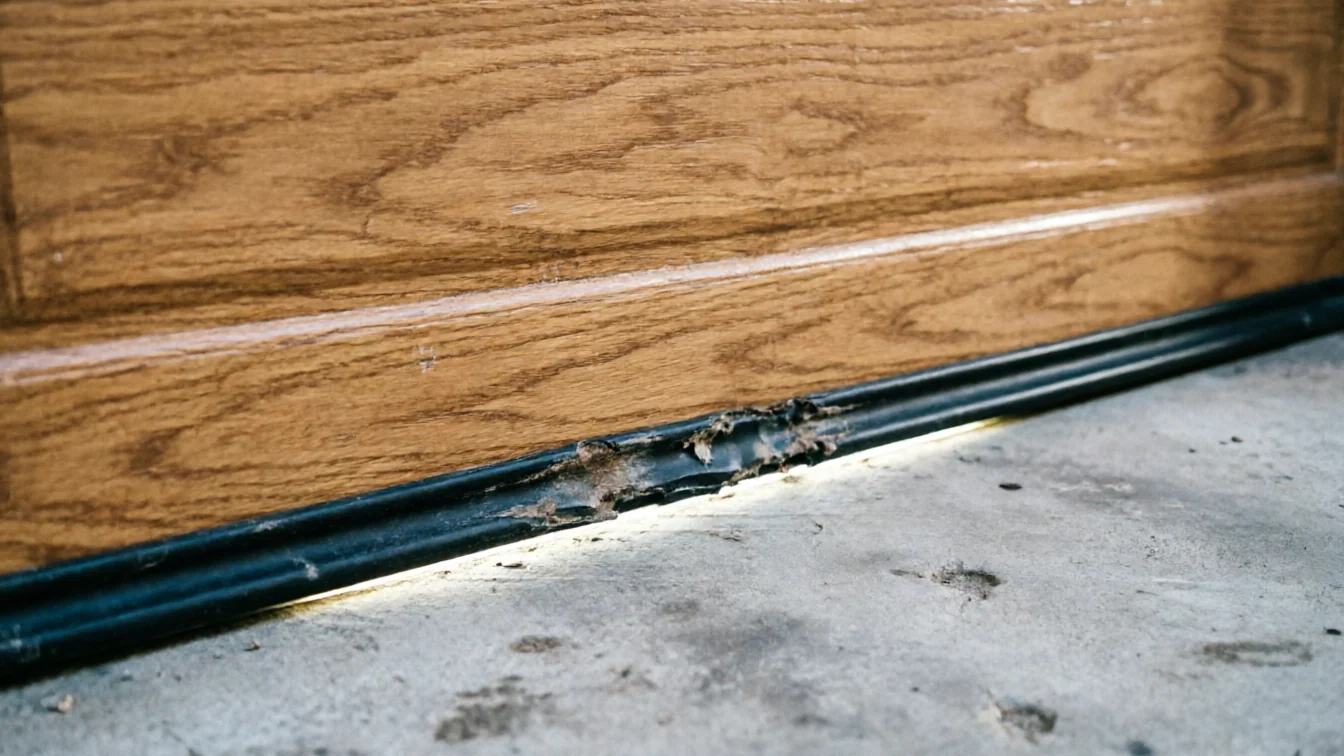 Weather Seals and Draughts: What Sandy Homes Actually Deal With
How Sandy's 1980s-90s housing stock and cold winters wear down garage door seals, tracks, and openers - what to check before the draughts cost you.
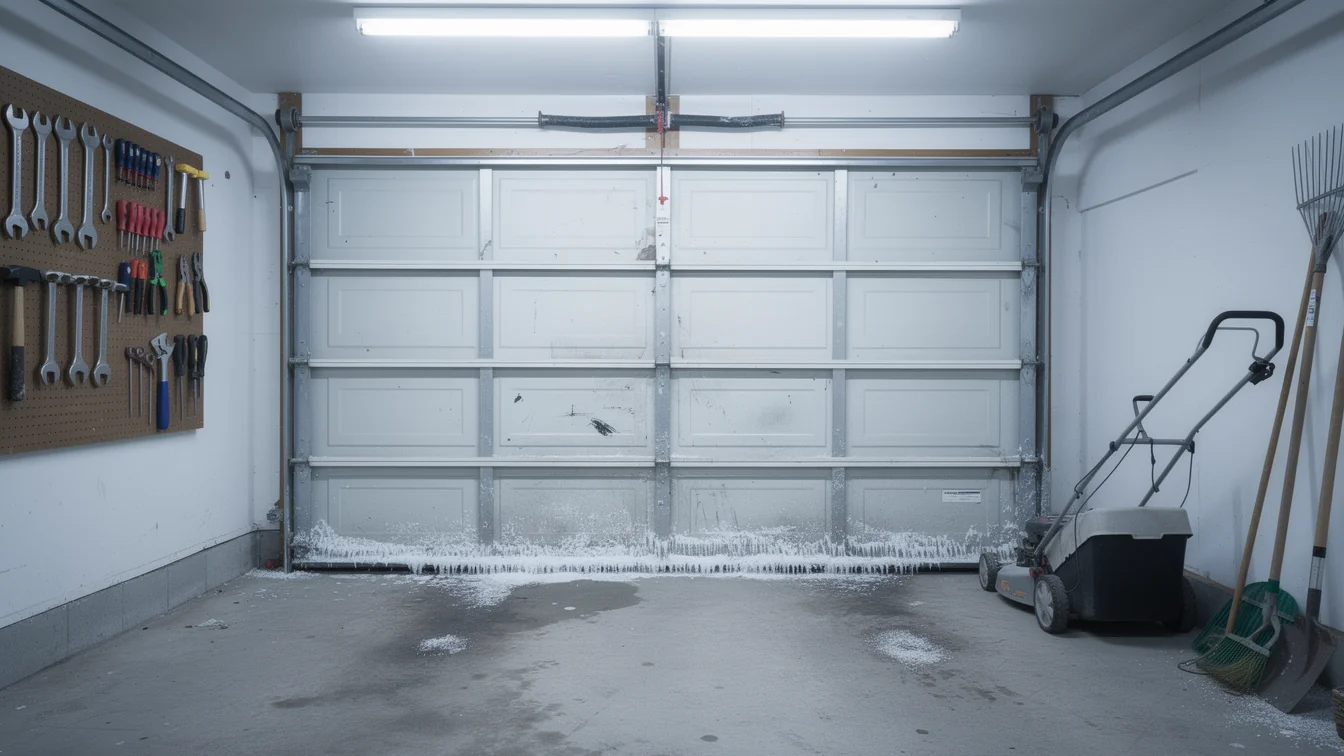 What Sandy's Housing Age Means for Your Garage Door
Sandy's housing stock runs 1969 to 2015 with a 1999 median, and the cold-severe climate here is hard on the uninsulated steel doors that era shipped with.
Ready when you are
Need a garage door sorted in Sandy?
Sandy Garage Door Pros repairs and installs garage doors, springs and openers in Sandy, UT and the surrounding area.