
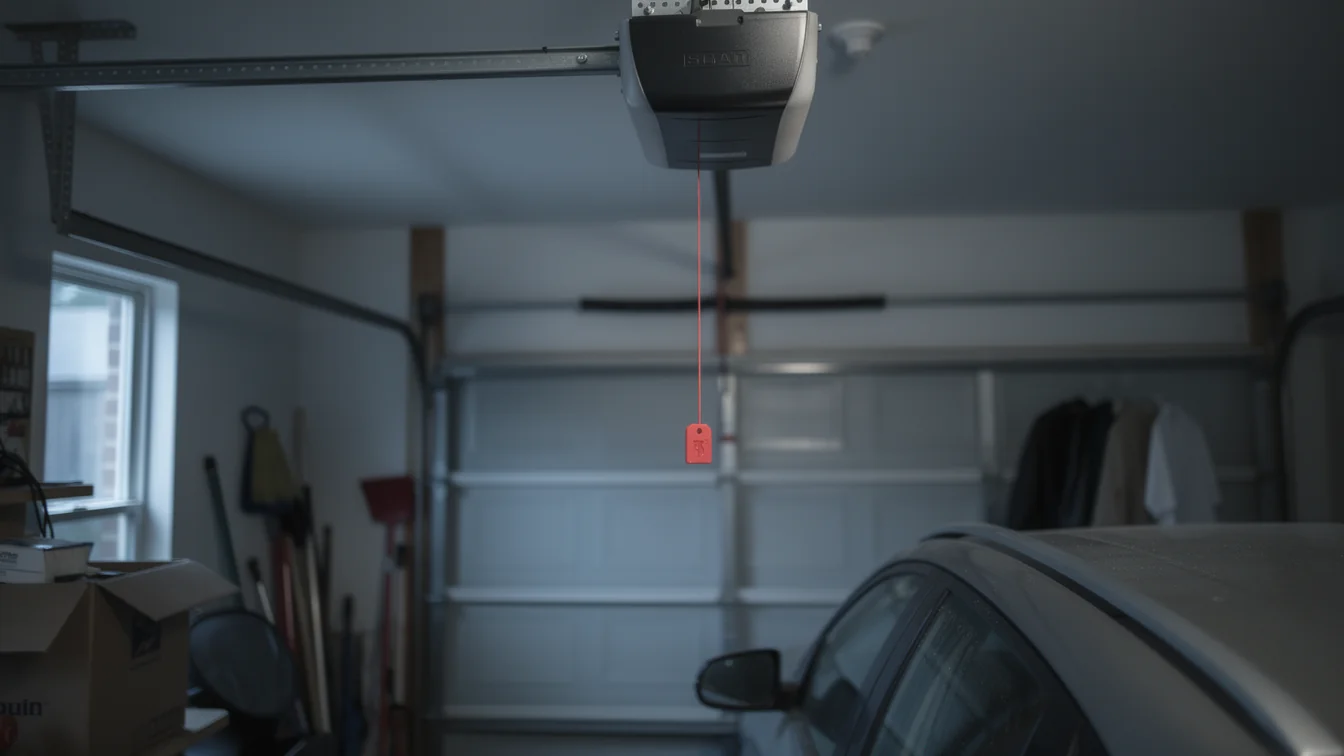
 When the Power Goes Out, What Happens to Your Opener
Sandy homes built mostly 1969-2015 run openers that struggle when a winter power cut hits.
What Sandy's Garage Doors Are Telling You
Sandy, UT homes built mostly 1969-2015 develop specific garage door noises as parts age. Learn what each sound means and when it signals real trouble.
Local detail
The Situation
Sandy's housing stock mostly went up between 1969 and 2015, with a median build year of 1999, and a lot of neighborhoods settled into 1980s and 90s construction across the area's named pockets. That spread matters more than people think. A house framed in the late 70s or early 80s is likely running older extension-spring hardware on single-wall track, while a place that went up closer to the median year probably has a torsion system and a lighter steel door. When a door starts making a sound it didn't make last year, the cause usually traces back to which decade the house was built in more than anything else. With 149,597 owner-occupied houses in the service area, we see this full range of hardware ages on a normal week - a squeal from a 1980s roller track is a different animal than a grinding opener gear on a 2000s install, even though both sound like trouble to the person standing in the driveway.
The area
What to Check
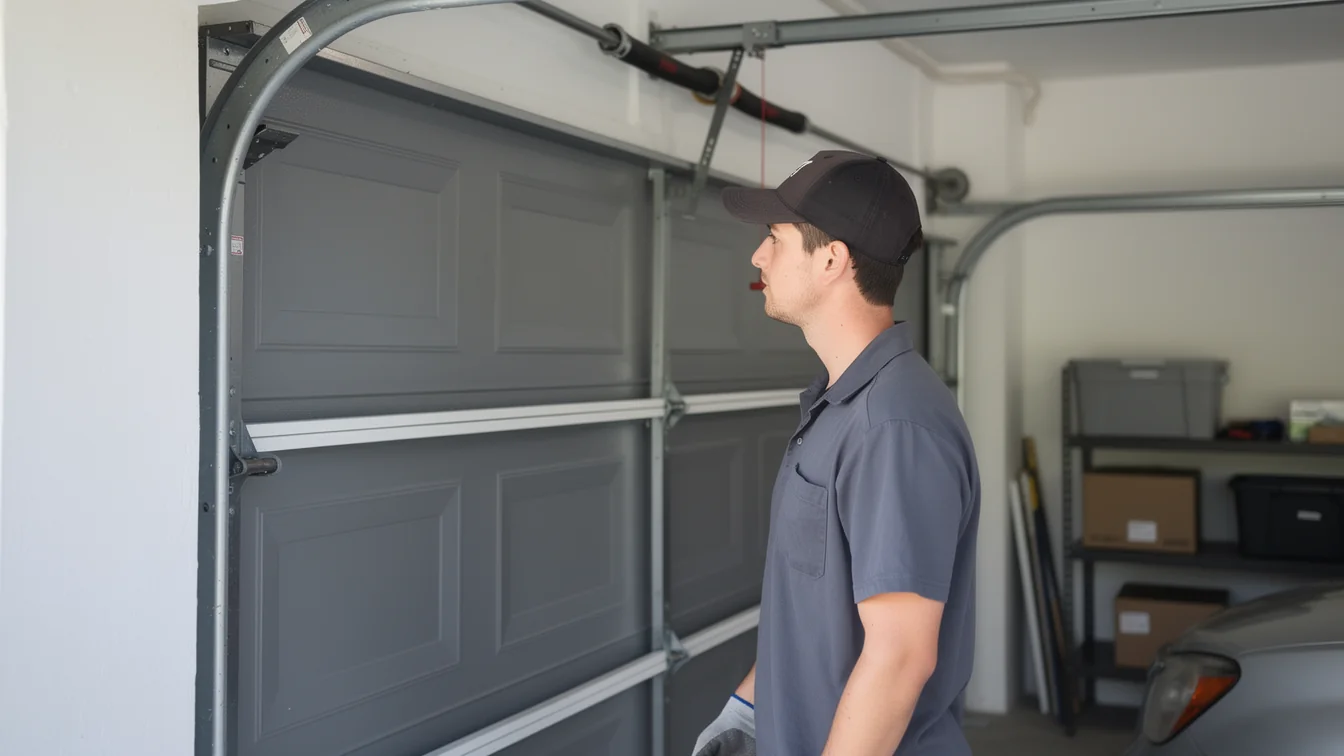
Open and close the door slow, by hand if the opener will let you disconnect it, and listen in order: rollers first, then hinges, then the springs overhead, then the opener's chain or belt. A rhythmic clack as the door travels usually means a roller is worn or the track has shifted out of alignment - common on older runs of single-wall track that came standard on houses built before the mid-90s. A sharp metallic ping, especially one you only hear once, can mean a torsion spring is starting to fail; don't keep cycling the door after that sound. A grinding opener motor with a door that still moves fine by hand usually isn't the door at all - it's the opener's gear kit wearing out, which is a separate repair from anything in the spring or track system. Check hinges for play and rollers for flat spots or cracked plastic before assuming the worst.
What we find
Where People Go Wrong
The most common mistake is spraying lubricant on the springs and calling it done. That quiets things for a week or two but doesn't address why a part is worn, and it won't stop a cable from fraying or a roller from seizing. The second mistake is waiting out a bad noise through a full winter instead of having it looked at when it starts - a spring that's losing tension doesn't recover, it just gets worse under cold-weather load. With a median household income of $117,514, we also see the opposite mistake fairly often: homeowners jump straight to replacing the whole opener or door at the first odd sound, when the actual problem is one worn roller or a loose track bracket that costs a fraction of a full swap. Matching the repair to the actual part is the whole job - and sometimes that means telling someone their door doesn't need anything yet.
How we work
What the Weather Here Does to It
Sandy sits in a cold, severe winter climate, and steel behaves differently in that cold. A torsion spring loses measurable lifting tension as temperatures drop, which is why a door that opened fine in October can feel heavy or jerky by January - the opener is straining against a spring that's doing less work than it was built to do. Grease and lubricant on rollers and hinges also thicken in cold weather, which turns a quiet track into a noisy one almost overnight once temperatures drop hard. None of this is damage exactly, but it compounds: a spring already near the end of its life, combined with stiff cold-weather lubricant and a slightly misaligned track, is what turns a minor seasonal squeak into a snapped cable in February. If your door's noise shows up or gets worse specifically when it's cold out, that's not a coincidence - that's the climate doing exactly what it does to aging hardware here.
Questions
Common questions
Why does my garage door squeal only in winter?
Cold weather thickens the grease on rollers and hinges and makes steel springs stiffer, so friction points that were quiet in summer start making noise once temperatures drop. It's a seasonal symptom of wear that was already there, not a new problem showing up out of nowhere.
My house was built in the 1990s - should I expect different issues than a newer build?
Likely yes. A lot of Sandy went up in the 1980s and 90s, often with single-wall track and older roller styles, while houses closer to the area's 1999 median build year tend to have different torsion hardware. The wear pattern usually matches the era the house was framed in.
Is a loud bang from the garage always a broken spring?
Not always, but treat it that way until someone checks. A torsion spring failing under tension makes a sharp bang and the door will feel very heavy or won't move at all afterward. Don't keep opening and closing it - that puts strain on parts not built to carry the spring's job.
Recommendation
You Might Also Like
More garage door guides for Sandy homeowners.
When the Power Goes Out, What Happens to Your Opener
Sandy homes built mostly 1969-2015 run openers that struggle when a winter power cut hits.
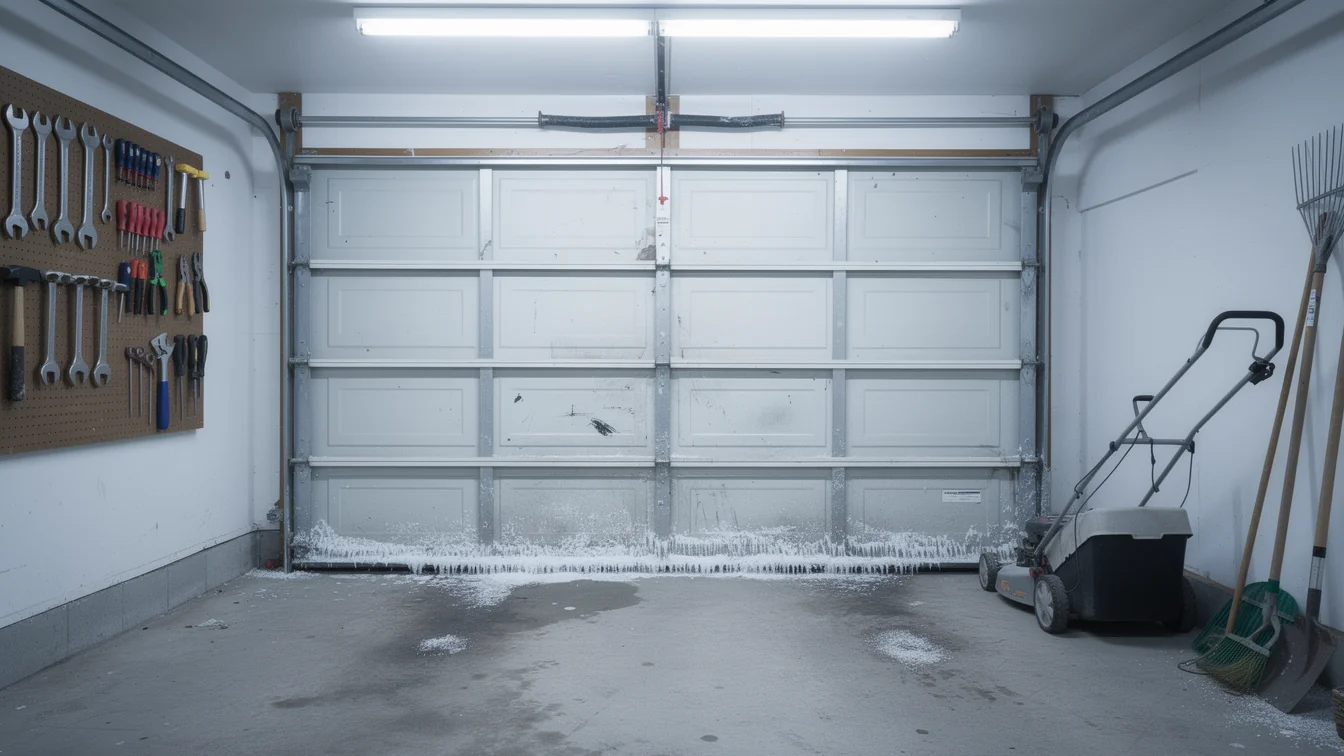 What Sandy's Housing Age Means for Your Garage Door
Sandy's housing stock runs 1969 to 2015 with a 1999 median, and the cold-severe climate here is hard on the uninsulated steel doors that era shipped with.
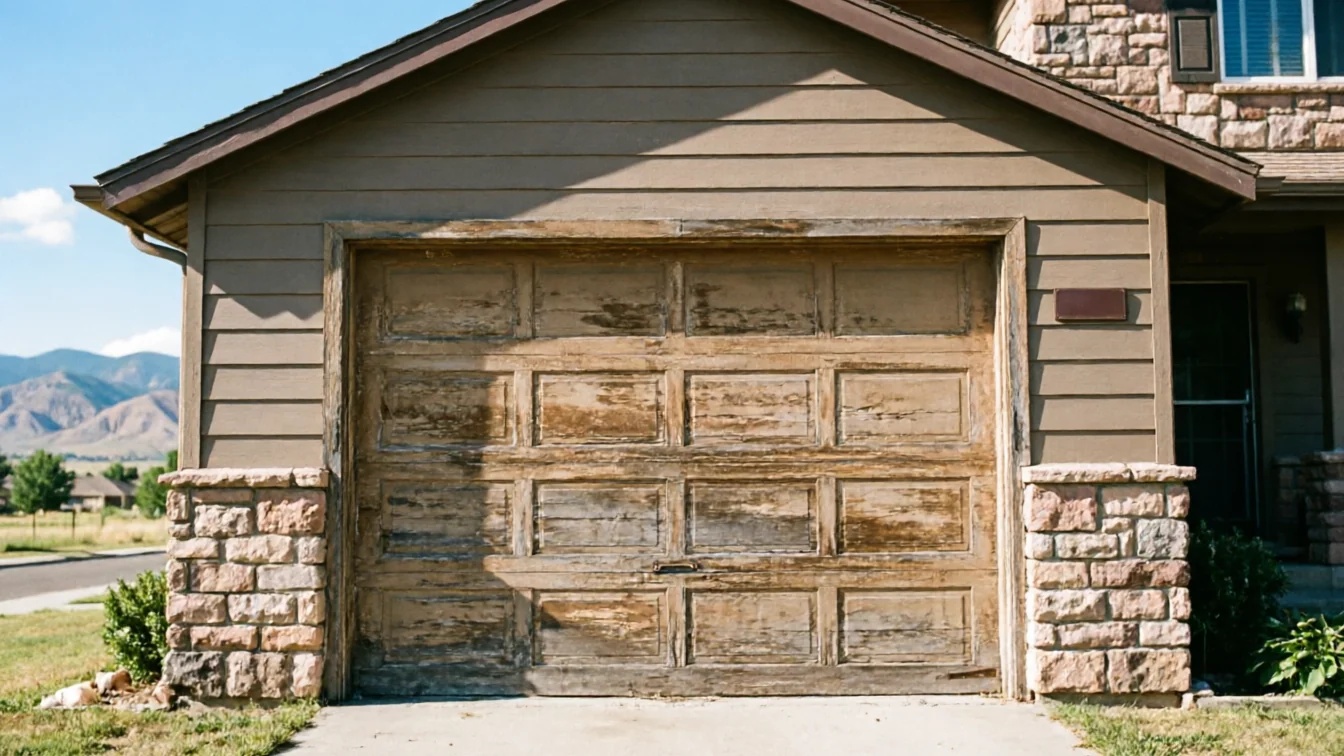 Deciding If Your Sandy Garage Door Is Worth Repairing
Sandy homes mostly date 1969-2015, with a thick band of 1980s-90s stock.
Ready when you are
Need a garage door sorted in Sandy?
Sandy Garage Door Pros repairs and installs garage doors, springs and openers in Sandy, UT and the surrounding area.