
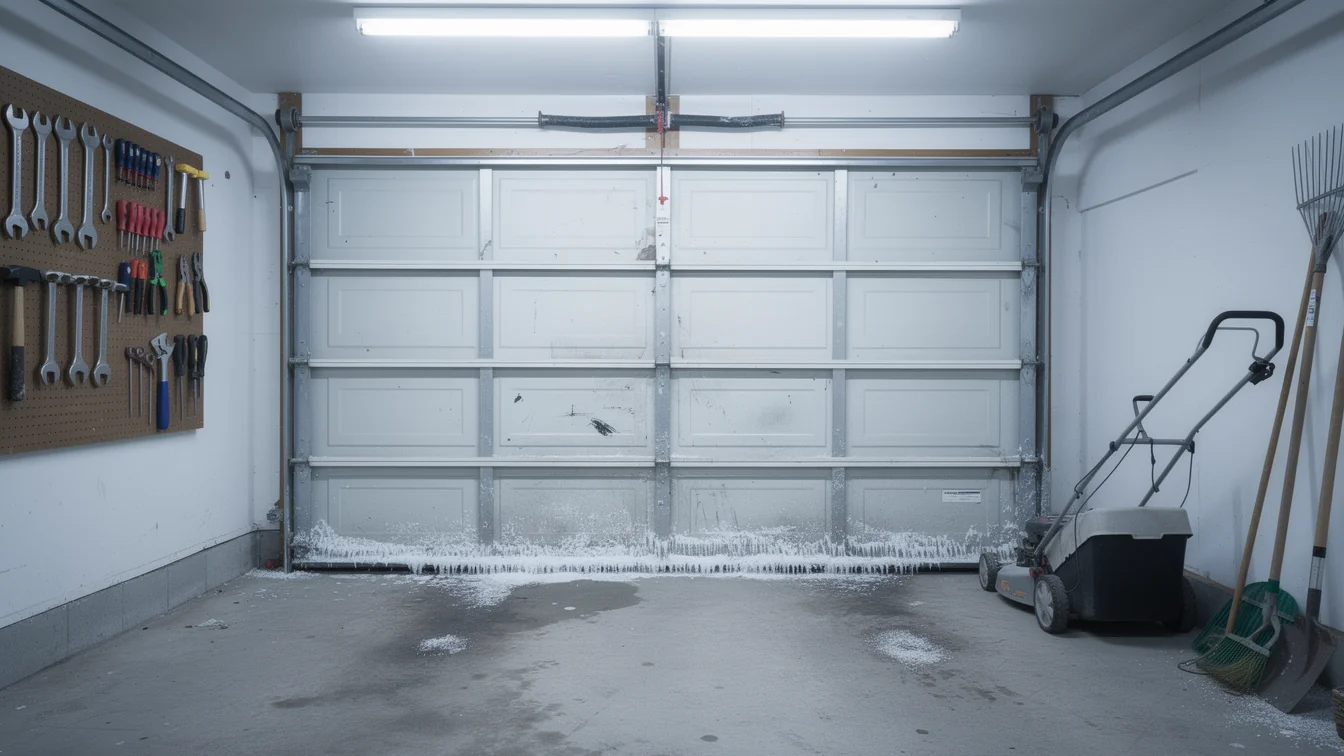
 What Sandy's Housing Age Means for Your Garage Door
Sandy's housing stock runs 1969 to 2015 with a 1999 median, and the cold-severe climate here is hard on the uninsulated steel doors that era shipped with.
When a Spring Goes in Cold Weather Here in Sandy
A look at why garage door springs snap in Sandy's cold-severe climate, what to check first, and the mistakes homeowners with 1970s-2010s era doors make.
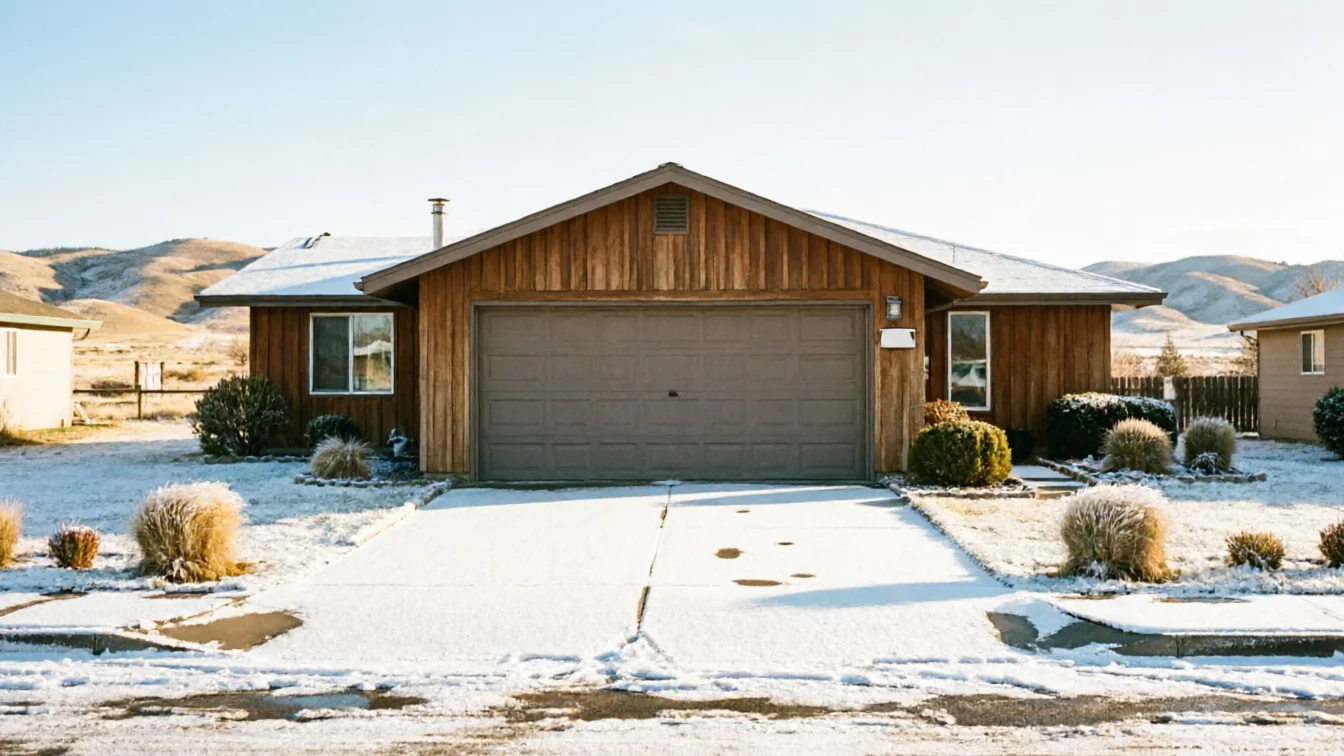
Local detail
The Situation
You go out on a cold morning, hit the opener, and the door either won't move or slams down the last foot of track. That's almost always a torsion spring that let go overnight. It's not a coincidence that this happens more in winter. Sandy sits in a cold-severe climate band, and the swing between a mild afternoon and a hard overnight freeze puts more stress on wound steel than steady cold ever does. Metal that flexed all day at 45 degrees and then sits at 15 overnight is the setup for a snap, not a slow leak.
The houses across this part of the valley were mostly built between 1969 and 2015, with the median landing around 1999. That matters because a spring has a rated cycle life, and a door installed when the house was built is often still running on its original hardware. Twenty-five years of temperature swings on a spring nobody's touched is a long time. If your garage was built in the 80s or 90s - common across the older pockets here - you're in the window where failure gets likely, not just possible.
The area
What to Check
Before you call anyone, look at the spring itself - it's the coil above the door, mounted horizontally on a bar. A broken one usually has an obvious gap in the coil, sometimes with the two ends sprung apart an inch or two. You'll also see the door hanging unevenly if only one of a pair has gone.
Check the cables next. A spring failure sometimes takes a cable with it, and a frayed or slack cable on one side is a second problem riding along with the first. Don't try to lift the door past this point - without spring tension a standard door can weigh well over a hundred pounds, and a cable under partial load can whip.
Look at the mounting hardware too, especially if the house is on the older end of the 1969-2015 range. Decades of expansion and contraction loosen the center bracket bolts, and a spring that's already working against loose hardware fails sooner than one that isn't. If the bracket is cracked or the bar is bent, that's a separate repair, not just a spring swap.
What we find
Where People Go Wrong
The most common mistake is trying to force the door open with a broken spring still attached. That shifts the whole load onto the opener motor and the remaining cable, and it's how a simple spring repair turns into a track replacement too.
The second mistake is replacing just the one spring that broke on a two-spring door. Both springs went in around the same year, took the same cycle count, and sat through the same freeze-thaw swings. The one still holding is close behind. We'll say this plainly: if your door is on original springs from a build in the 1980s or 90s, replacing only the broken side is a repair you'll likely redo within a season or two.
The third is guessing at spring size from a hardware store chart instead of matching door weight and drum size. Wound wrong, a spring either strains the opener or lets the door drop unevenly - and on an older door with other worn parts, that uneven drop is what cracks a panel. We don't stock every size; some orders have a short lead time, and we'll tell you that up front rather than install the wrong one to make the appointment faster.
How we work
What the Weather Here Does to It
Cold-severe conditions don't make steel brittle the way people assume. What actually does the damage is the daily cycling - warm sun on a south-facing garage door, then a sharp drop after dark. That expansion and contraction, repeated through a winter, is harder on a spring than a steady cold snap would be.
It also affects lubrication. Grease on an older spring, especially one original to a house built back in the 1969-2015 range, thickens in the cold and stops cushioning the coil the way it should. A spring that's been dry for years and then gets stiff lubricant on top of a freeze swing is primed to go. This is also why spring failures cluster here in the early morning - the door sat through the coldest part of the night and gets asked to move right when the steel is least forgiving.
We can't change when a spring decides to fail, and we won't promise a same-day fix on every call - parts availability varies with the size and year of the door. What we can do is size the replacement for your actual door and skip the half-measure of a one-side swap.
Questions
Common questions
Why did my garage door spring break overnight instead of during the day?
Overnight is when the temperature swing is largest. A spring that flexed through a warmer afternoon and then sat through a hard freeze is under more cumulative stress than one held at a steady temperature. That swing, not the cold alone, is usually what finishes off a spring that was already near the end of its cycle life.
Should I replace one spring or both if I have a two-spring door?
If both springs are the same age - which they almost always are on a door that hasn't been touched since the house was built - replacing only the broken one leaves the second spring at the same point in its life. It's common for the other side to fail within a season. We'll tell you the honest math on your specific door before you decide.
Is it safe to open the door myself after a spring breaks?
No. Without spring tension, a standard door can weigh well over a hundred pounds and the opener isn't built to lift that load on its own. Forcing it can also load a weakened cable. Leave the door down and call for the repair rather than fight it open.
Recommendation
You Might Also Like
More garage door guides for Sandy homeowners.
What Sandy's Housing Age Means for Your Garage Door
Sandy's housing stock runs 1969 to 2015 with a 1999 median, and the cold-severe climate here is hard on the uninsulated steel doors that era shipped with.
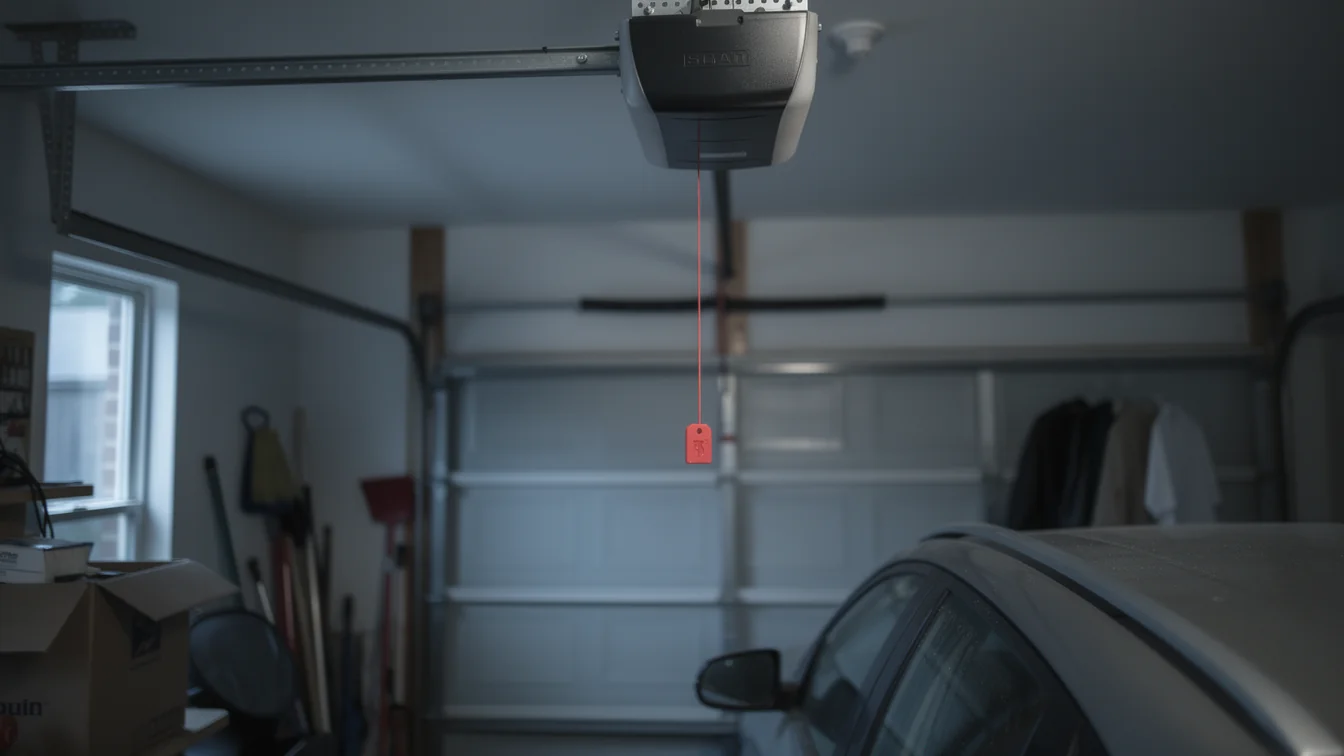 When the Power Goes Out, What Happens to Your Opener
Sandy homes built mostly 1969-2015 run openers that struggle when a winter power cut hits.
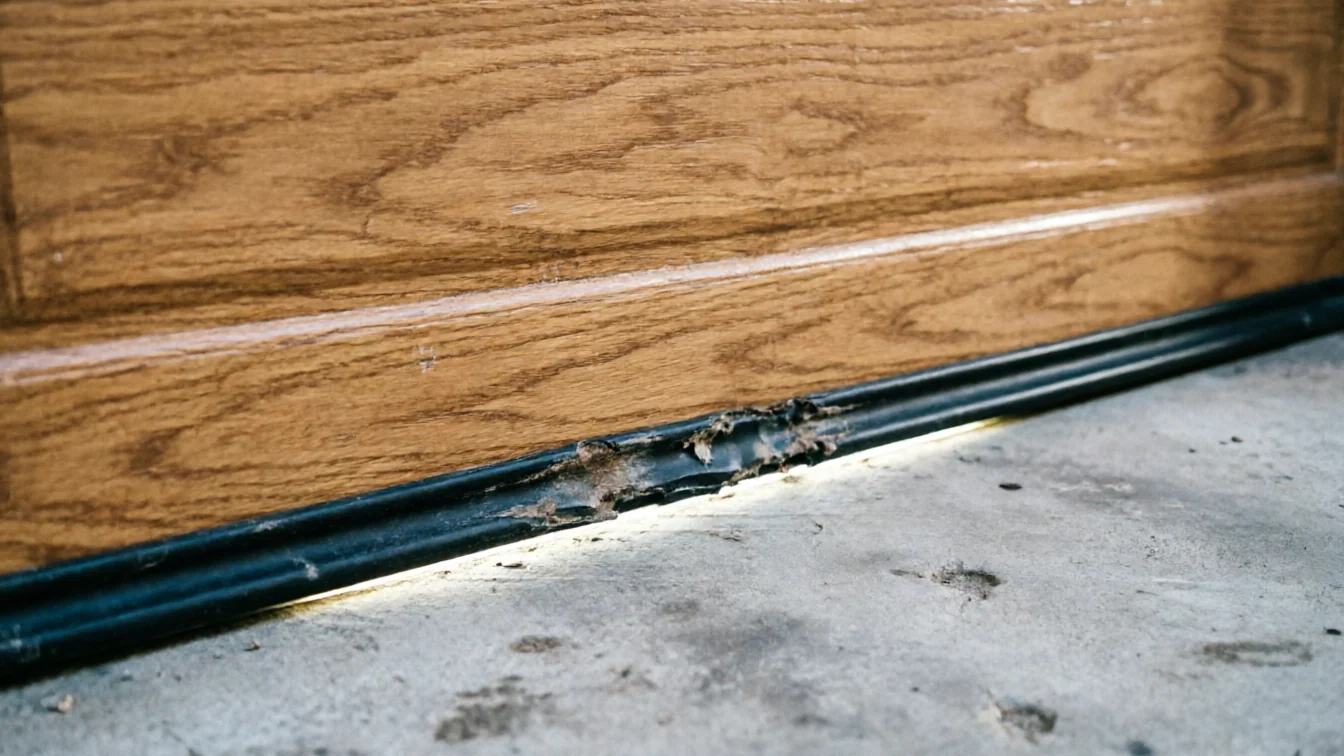 Weather Seals and Draughts: What Sandy Homes Actually Deal With
How Sandy's 1980s-90s housing stock and cold winters wear down garage door seals, tracks, and openers - what to check before the draughts cost you.
Ready when you are
Need a garage door sorted in Sandy?
Sandy Garage Door Pros repairs and installs garage doors, springs and openers in Sandy, UT and the surrounding area.