Serving Sandy, UT & nearby(385) 510-4344

Cottonwood Heights, Sandy UT

Garage Door Service for Cottonwood Heights Homes

Cottonwood Heights homes mostly date to 1978, which means older torsion hardware and worn rollers. We drive the 3 miles from Sandy to fix it.

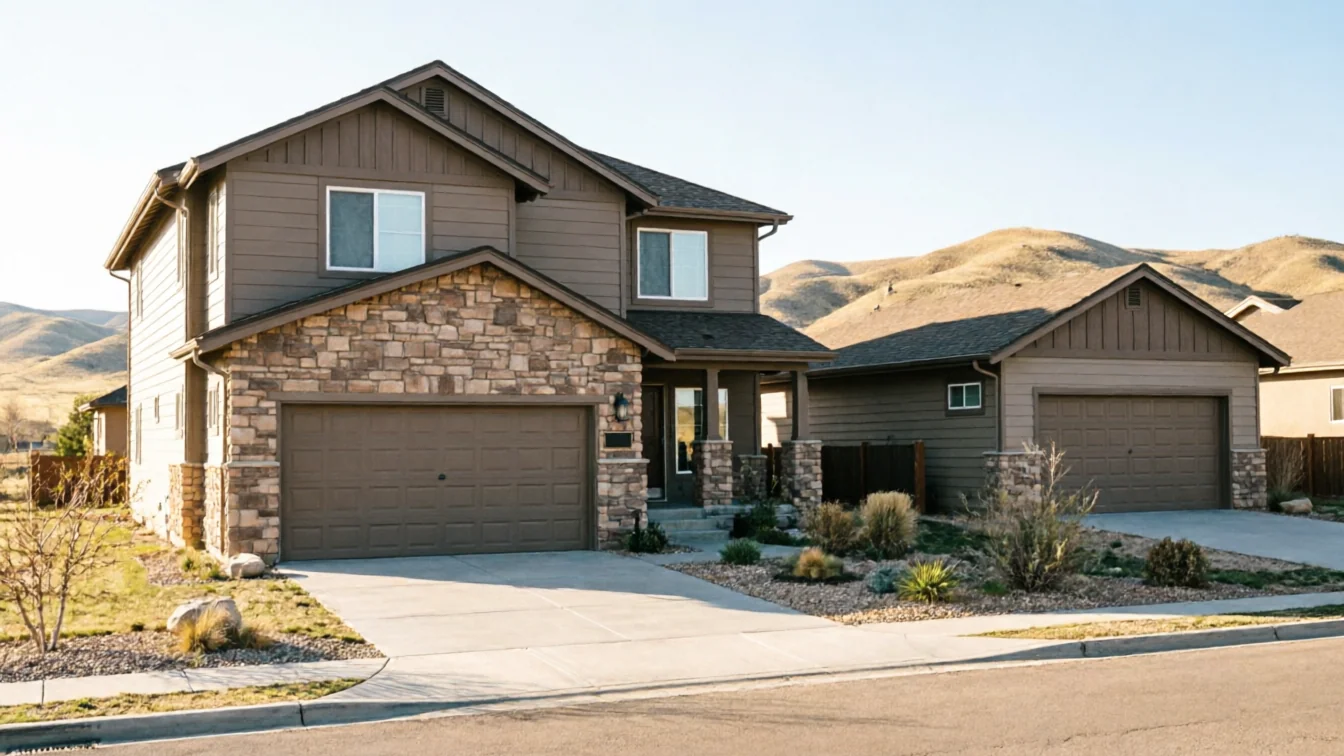
The brown house has a two-car garage door and stone accents.
Serving Sandy, UTBackground-checked techsHonest, upfront pricingFast local response
Local
Crews that work this area daily
Same-day
Response for most repair calls
Upfront
Pricing agreed before we start
Insured
Background-checked technicians

Local housing

This Area's Housing

Cottonwood Heights isn't the same build era as a lot of the ground we cover out of Sandy. The median year built here is 1978, which puts a good chunk of the neighborhood a decade or two older than the typical house across the wider service area, where the median lands closer to 1999. That gap matters more than people think. A door and opener installed in a house built in the late 1970s has usually been replaced once already, sometimes twice, but the track spacing, the header clearance, and the wall wiring often still follow the original layout.

With about 12,457 households in the area, this isn't a small pocket either - it's a real concentration of houses that are old enough to have outlived their first two or three garage door systems. Median household income here runs $116,583, which tracks close to the income level across the broader area ($117,514), so when something breaks, most owners are replacing with comparable equipment rather than patching with whatever's cheapest.

We're 3 miles out of Sandy to get here, which is close enough that a trip to Cottonwood Heights doesn't change how we price or schedule a job versus one done at the shop.

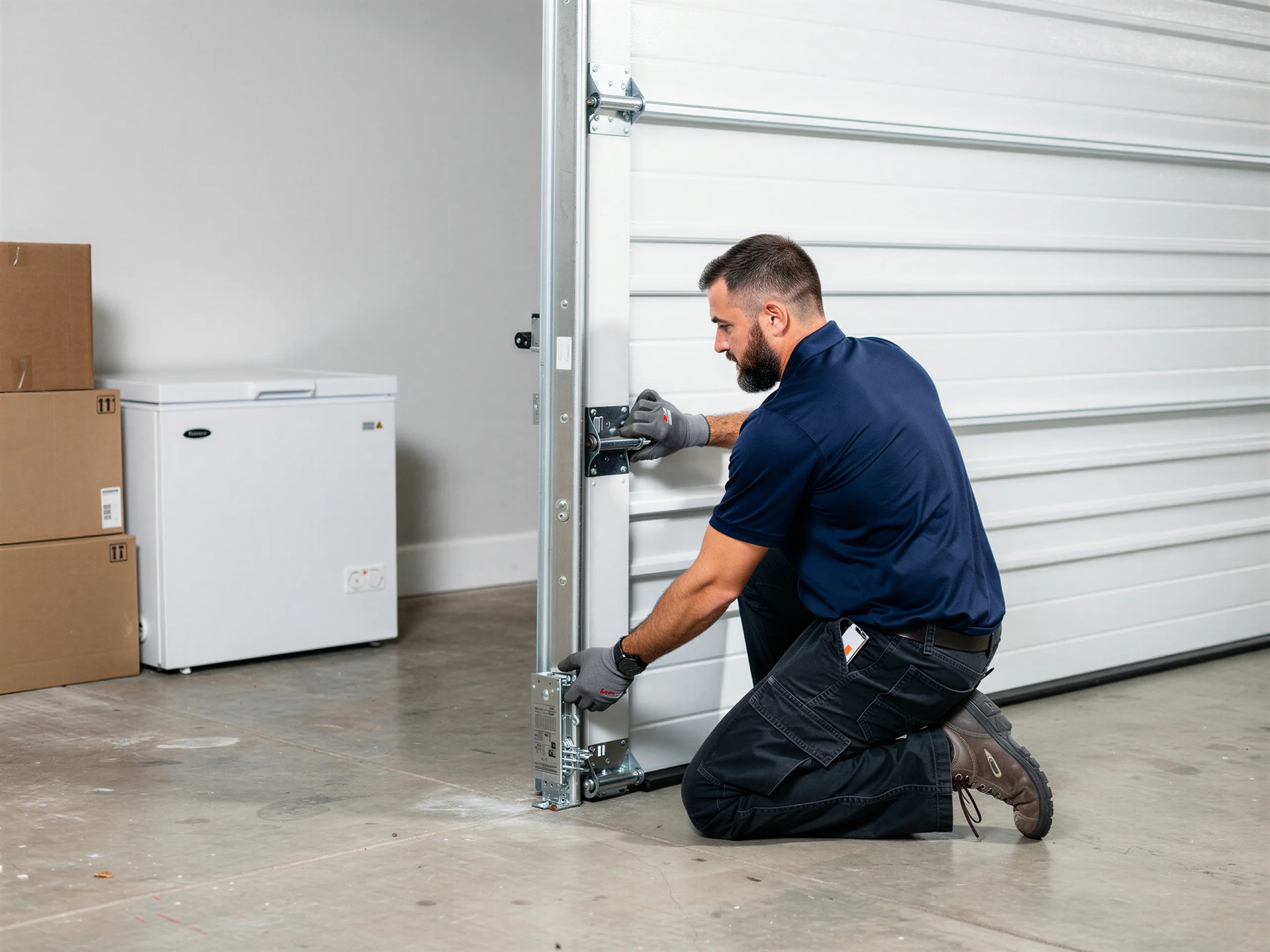
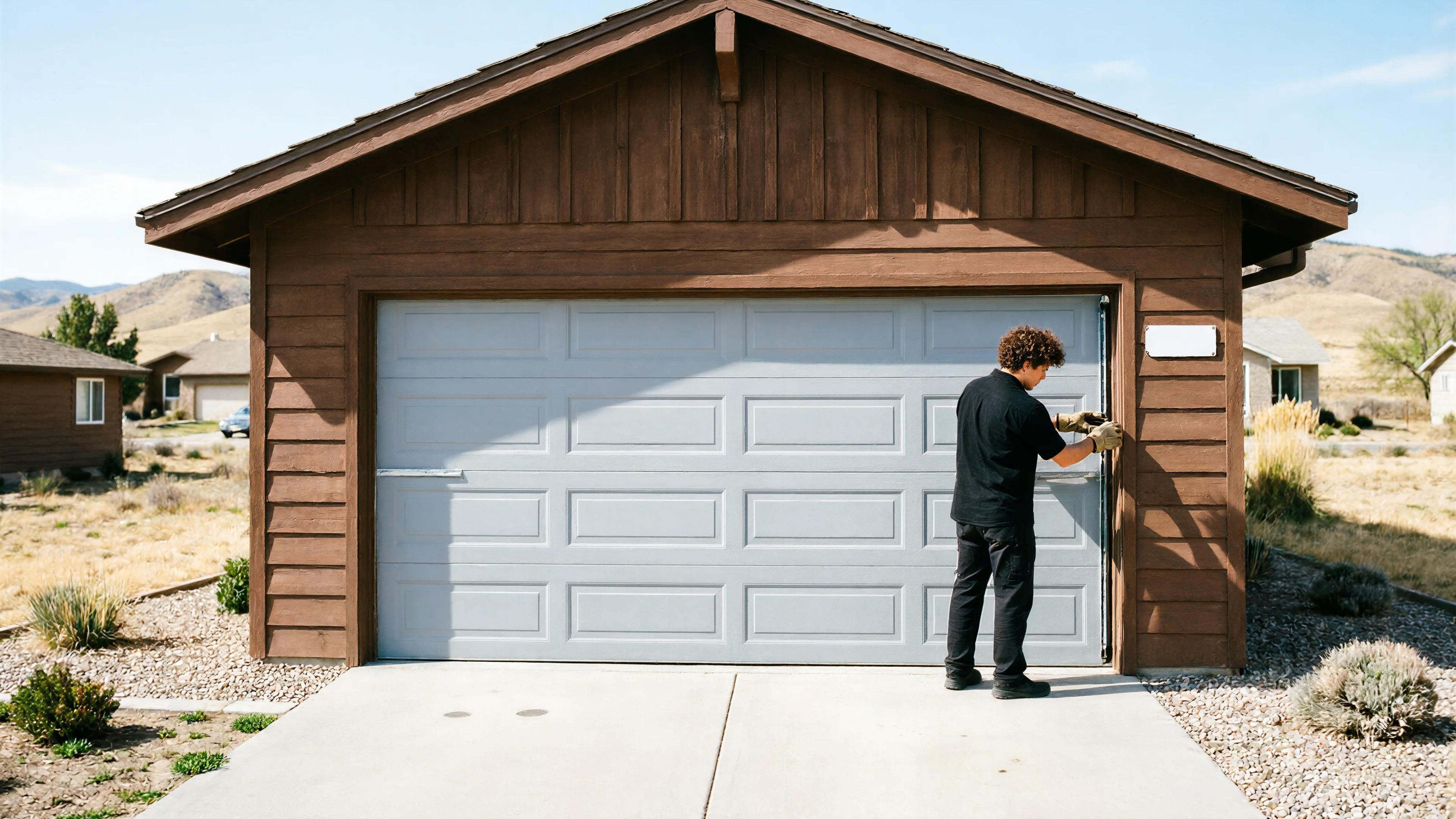
A technician in gloves works on the side of a closed gray garage door.

Door impact

What That Means for Doors

A house built around 1978 was almost certainly built with an extension-spring setup or an early torsion system, not the current standard. If the door's never been swapped, you're looking at older style hinges, a lighter-gauge track, and in some cases a header that was never reinforced for a heavier insulated door. When owners here upgrade to a modern steel door, the jamb and header sometimes need extra bracing that a newer-build home wouldn't.

Climate matters too. This area sits in a cold-weather band with severe winter conditions, and a door from the late '70s wasn't built with the same weatherstripping or insulated panel standards you'd get installing new today. Cold makes old springs brittle and old nylon rollers crack - we see both fail together more often in houses from this era than in newer builds.

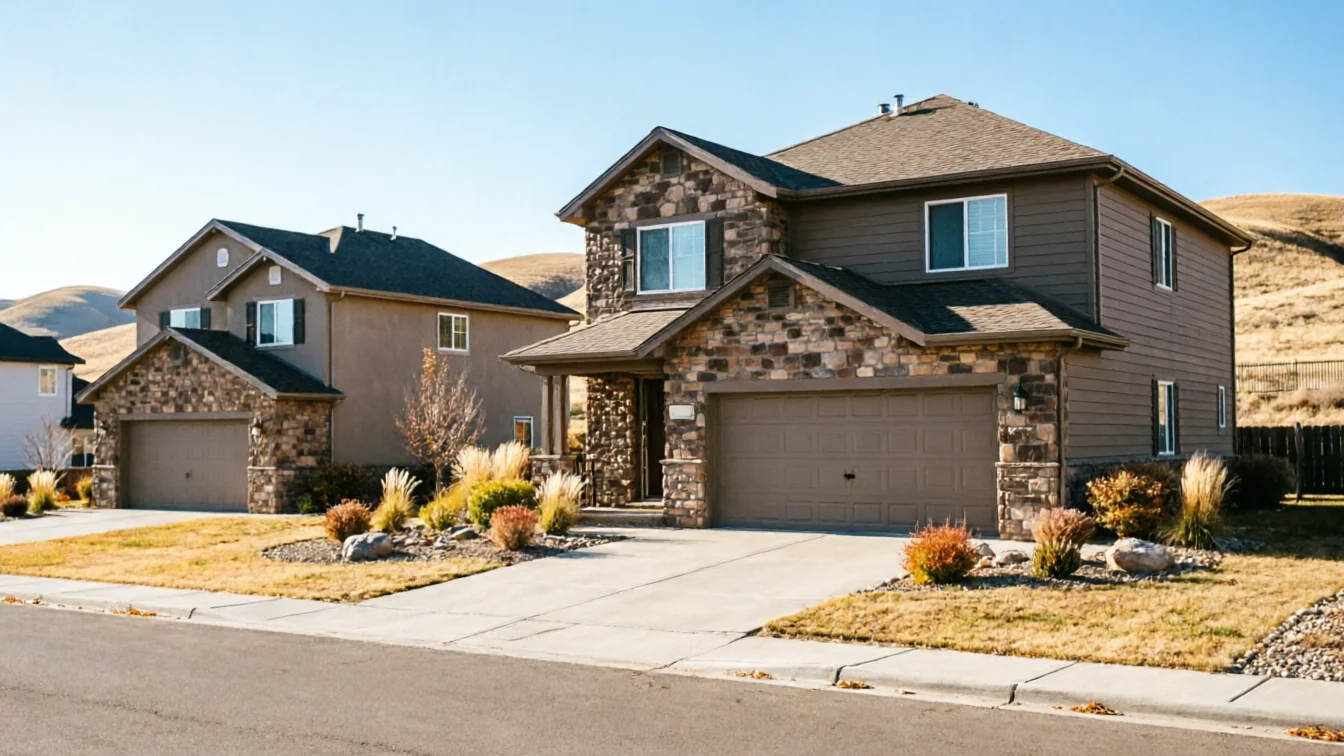
A two-story brown house with a two-car garage and stone accents.

One limitation worth naming: if your door and track are original to a 1970s build, we may not be able to match parts exactly. Some of that hardware isn't made anymore. In most cases the fix is a full track and spring replacement rather than a patch job, and we'll tell you that up front instead of trying to force an old part to work.

Common jobs

Common Jobs Here

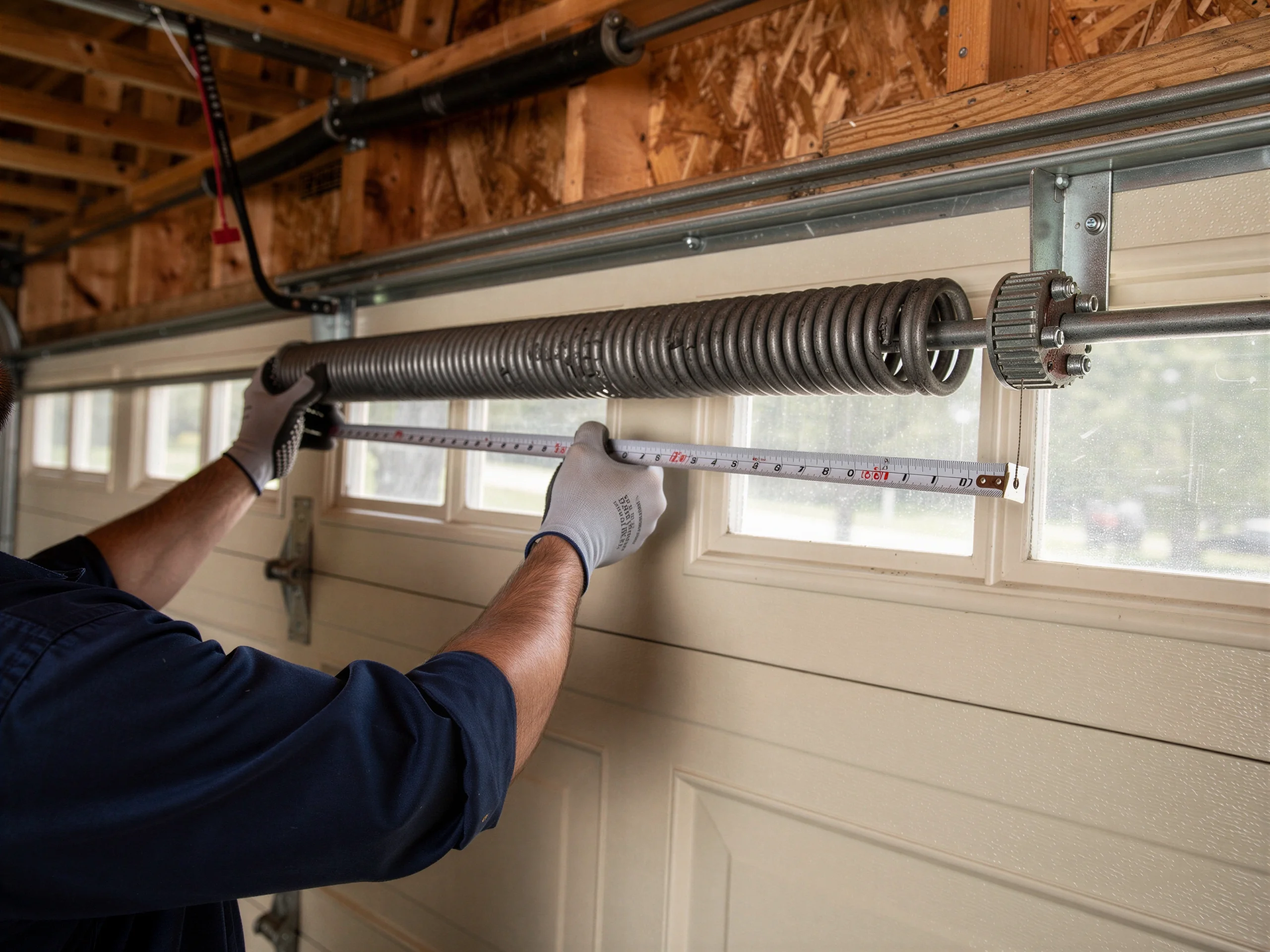
Given the housing stock, the calls we get from Cottonwood Heights lean toward a specific set of problems. Broken torsion or extension springs top the list - springs rated for original-era doors wear out, and in cold weather they're more likely to snap rather than just sag.

Track wear from neglect

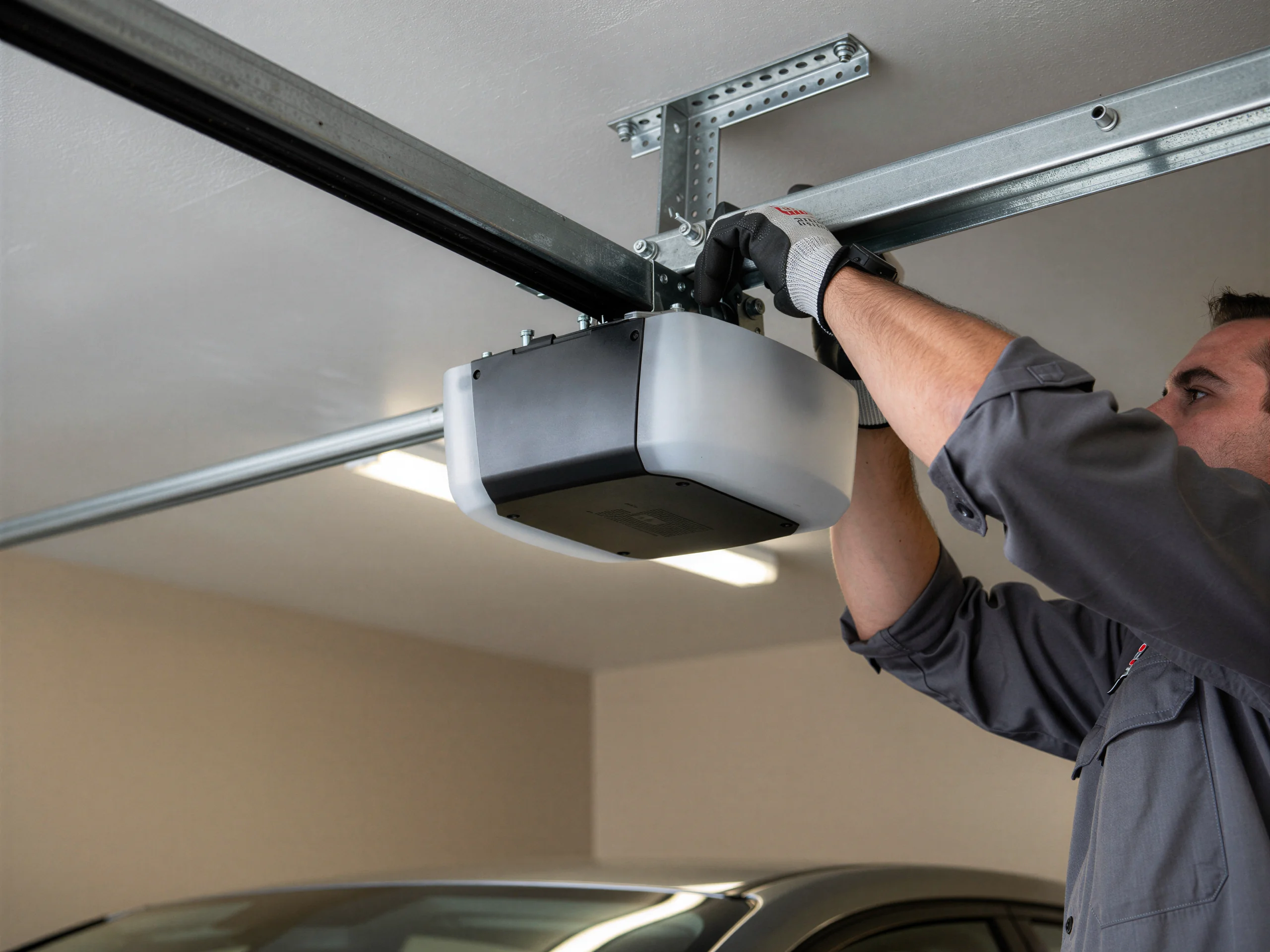
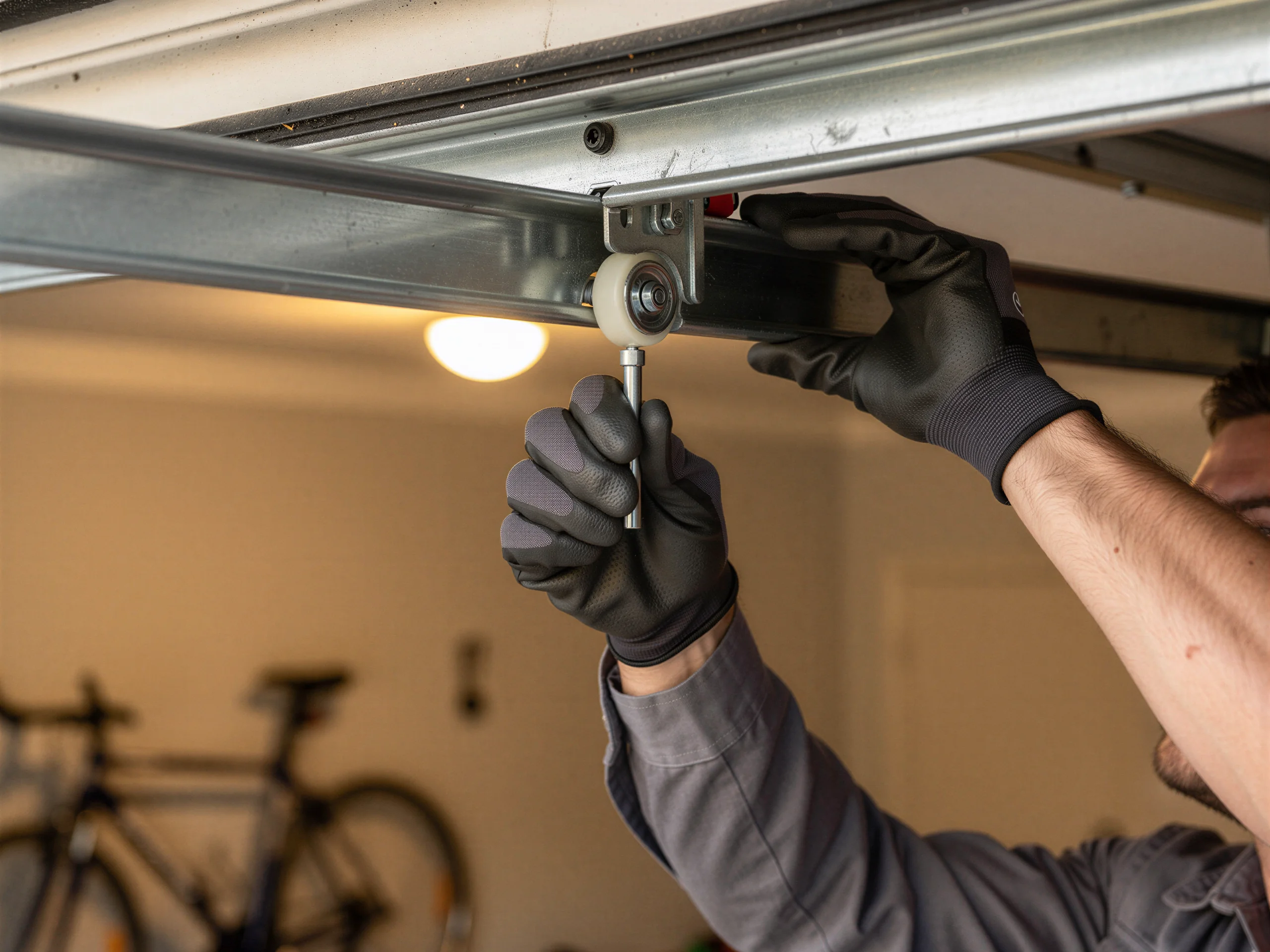
Worn rollers and bent track are close behind, especially on doors that have never been serviced since the house was built in 1978 or shortly after. Opener replacements are common too, since a chain-drive unit from decades back is loud, slow, and usually lacks any kind of rolling-code security or battery backup.

Header reinforcement for insulated panels

Owners doing a full door swap sometimes find out mid-project that the header needs reinforcing to carry a heavier insulated panel - that's a job we can quote once we're on site and can see the framing.

Cable swaps alongside springs

We also get cable replacement calls, usually paired with a spring job, since cables on original hardware tend to fray around the same time the springs give out. None of this is unusual for a neighborhood this age - it's just a different mix of jobs than you'd get fixing a door from the 2000s.

Old vs new homes

Old Streets and New Ones

Cottonwood Heights sits close in - about 3 miles from our shop in Sandy - and near several other areas we cover, including Granite and Midvale, both also around 3 to 4 miles out.

Short drive, older housing

That proximity means a service call here doesn't mean a long drive, even though the housing itself is a generation older than what you'd find further south toward newer growth like Draper or South Jordan.

Garages used as workshops

The practical effect is this: streets built out in the late '70s often have garages that were never meant to hold a second car's worth of storage or a workshop, so doors get used harder and track alignment drifts more over time.

Rebuilt homes differ

Newer infill or remodeled homes in the same area sometimes have updated doors that don't match this pattern at all - if your house has been rebuilt or had an addition, your hardware might be nothing like your neighbor's original 1978 setup. We don't guess at which one you have from the street name. We look at the door.

Questions

Common questions

Why does the age of my house matter for a garage door repair?

Because houses built around 1978, which is the median build year in Cottonwood Heights, often still have original or early-replacement hardware - different spring types, track spacing, and header reinforcement than a door installed today. Knowing the build era helps us bring the right parts the first time instead of guessing on site.

Do you have a shop in Cottonwood Heights?

No, we run out of Sandy, about 3 miles away. That's close enough that it doesn't change scheduling or pricing for jobs in this area - we're not trying to pretend we're based here when we're not.

Can you match parts on an original 1970s garage door?

Sometimes, but not always. A lot of hardware from that era isn't made anymore. If your track, spring, or hinges are original to a 1978-era build, the honest fix is usually a full replacement rather than hunting for an exact match that may not exist.

Will cold winters affect an older garage door more?

Yes. This area sits in a cold climate band with severe winters, and older springs and nylon rollers get brittle faster than newer-rated parts. If your door's hardware predates recent manufacturing standards, cold weather is more likely to be the thing that finally breaks it.

Ready when you are

Need a garage door sorted in Cottonwood Heights?

Sandy Garage Door Pros repairs and installs garage doors, springs and openers in Sandy, UT and the surrounding area.

Call NowGet a quote