
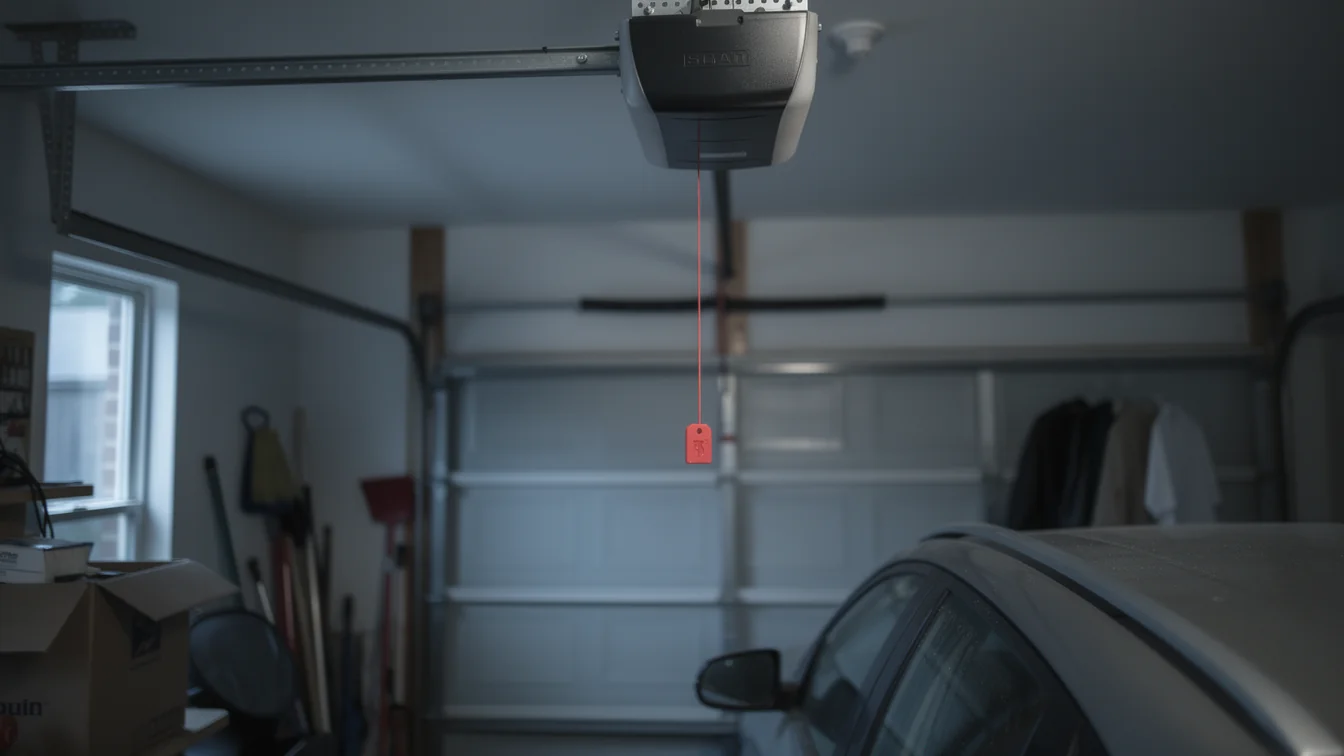
 When the Power Goes Out, What Happens to Your Opener
Sandy homes built mostly 1969-2015 run openers that struggle when a winter power cut hits.
Deciding If Your Sandy Garage Door Is Worth Repairing
Sandy homes mostly date 1969-2015, with a thick band of 1980s-90s stock. Here's how to tell if your original door and opener still earn a repair or a replacement.
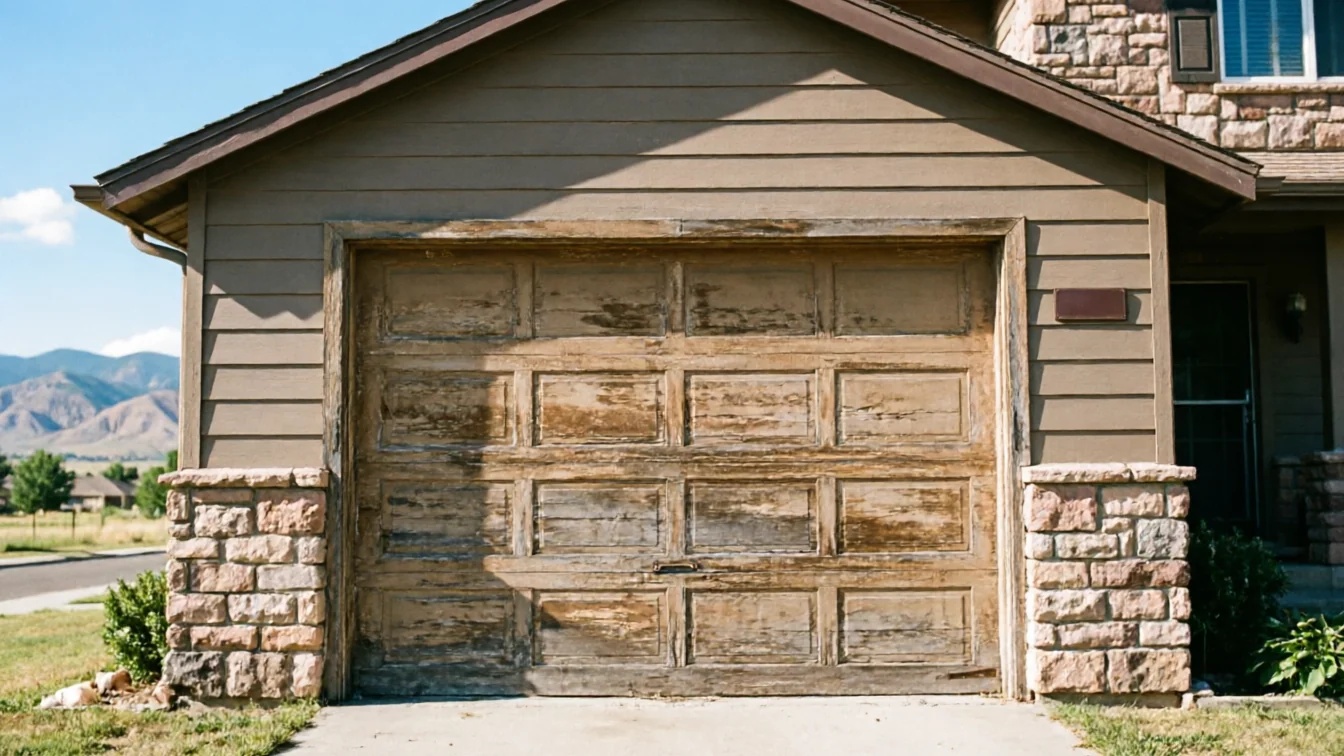
Local detail
The Situation
Most houses in Sandy went up between 1969 and 2015, with the median build year sitting around 1999 and a heavy concentration of stock from the 1980s and 90s spread across the neighborhoods here. That means a lot of doors and openers in this city are pushing 25 to 40 years old, which is right at the edge of what a torsion spring, a chain-drive opener, or a steel panel is built to last. A door that age isn't automatically junk, but it's also not something you patch forever. The question we get asked on almost every call in a 1980s or 90s-built Sandy neighborhood isn't "can you fix this" - it's "should I." Age alone doesn't answer that. What the door is made of, how it's been maintained, and what's actually failed does. A door from that era with original hardware and a tired spring is usually worth fixing. The same door with a cracked panel, rusted track, and a dead opener motor is a different conversation.
The area
What to Check
Start with the panels. Original steel sections from the 1980s and 90s stock common in Sandy don't flex well after decades of temperature swings, and a dented or bowed panel on an otherwise sound door is a cheap, worthwhile fix. Next, the springs - if the door is original to a house built in that window, the torsion spring has likely done its 10,000-cycle life and then some, and replacing it is routine, not a red flag on the whole unit. Check the track for rust pitting, which shows up more on doors that have sat through repeated freeze-thaw cycles. Pull the opener's manual release and move the door by hand - if it's heavy, stiff, or binds partway, that's hardware wear, not necessarily a door that needs replacing. Last, look at the bottom seal and weatherstripping; on a door this age in a cold climate, a gapped seal is often doing more damage to your energy bill than the door itself. None of this requires tearing the door apart to answer. Most of it you can see in five minutes with a flashlight.
What we find
Where People Go Wrong
The most common mistake we see in Sandy is replacing a whole door because one spring broke. A broken torsion spring on a door from the 1980s or 90s stock that makes up so much of this area's housing is almost always a standalone repair, not a sign the door is done. The opposite mistake happens too: people keep patching a door that's actually failed structurally - rusted-through track brackets, a panel that's delaminated, a frame that's shifted - because the last few repairs were cheap, so this one should be too. Age from F1's build range matters here: a door original to a house built in 1999 has had over two decades of Sandy winters working against the hardware, and at some point the honest answer is that the opener, springs, and track all need replacing together rather than one at a time. We'll tell you when that point is instead of billing you for it piece by piece. A door with good panels and a bad opener is worth fixing. A door with bad panels and a bad opener usually isn't.
How we work
What the Weather Here Does to It
Sandy sits in a cold-climate band with severe winter conditions, and that's the single biggest factor in whether an older door is worth saving. Repeated freeze-thaw cycling is hard on galvanized track and on the lubrication inside torsion springs and rollers - metal contracts, grease stiffens, and hardware that would last decades in a mild climate wears faster here. On a door built in the 1980s or 90s stock common across this city, that extra wear is already baked in by the time you call us. Cold also changes how steel panels behave: a dent that would just be cosmetic in a warmer climate can turn into a crack line when the metal contracts hard overnight. If your door is sticking or dragging specifically in the coldest months and running fine the rest of the year, that's a lubrication and weatherstripping problem, not a structural one, and it's worth fixing rather than replacing. We don't carry parts for every opener model from that era in the truck - some older chain-drive units need a part ordered, and we'll tell you upfront if that's the case rather than guess.
Questions
Common questions
My garage door is from the 1980s - is it too old to fix?
Not on its own. A lot of Sandy's housing was built in the 1980s and 90s, and doors from that era are often still structurally sound. What matters is the condition of the panels, track, and spring, not just the build year. We check those before we recommend replacement.
Why did my spring break in winter?
Cold makes steel contract and stiffens the lubricant inside the spring coil, which adds stress right when the door is already working harder against the cold. Sandy's severe winter conditions mean springs here often fail in the coldest stretch of the year rather than spreading evenly across seasons.
Is it cheaper to fix the opener or replace the whole door?
Depends on what's actually wrong. A dead opener motor on a door with good panels and track is usually a standalone fix. If the panels are cracked or the track is rusted through on top of a bad opener, replacing everything at once is often the better value than repeated repairs.
Do you carry parts for older openers on the truck?
Not always. Some chain-drive openers from the 1980s and 90s don't have parts we stock, and we'll tell you upfront if yours needs something ordered rather than guess at a same-visit fix.
Recommendation
You Might Also Like
More garage door guides for Sandy homeowners.
When the Power Goes Out, What Happens to Your Opener
Sandy homes built mostly 1969-2015 run openers that struggle when a winter power cut hits.
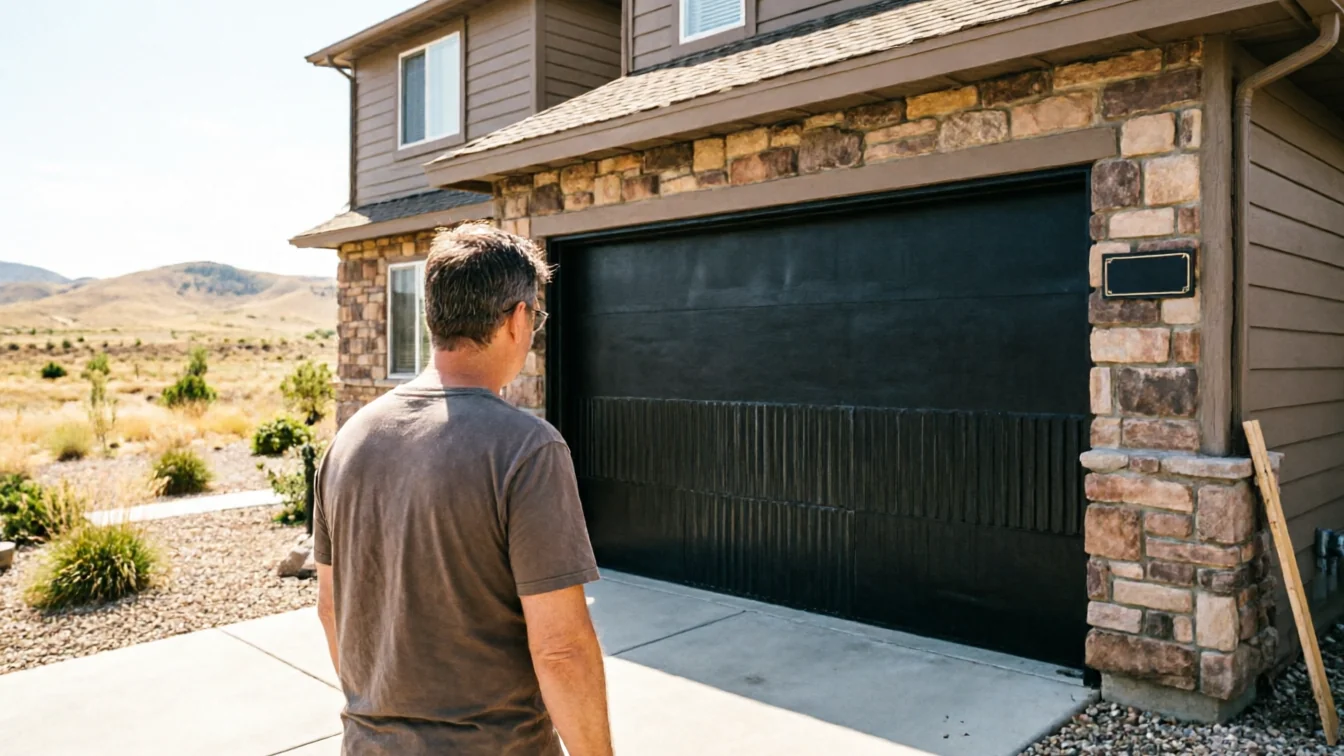 What to Know Before You Replace a Garage Door in Sandy
A guide to buying a replacement garage door in Sandy, UT, built around this area's 1980s-90s housing stock and cold, severe winter swings that stress doors and openers.
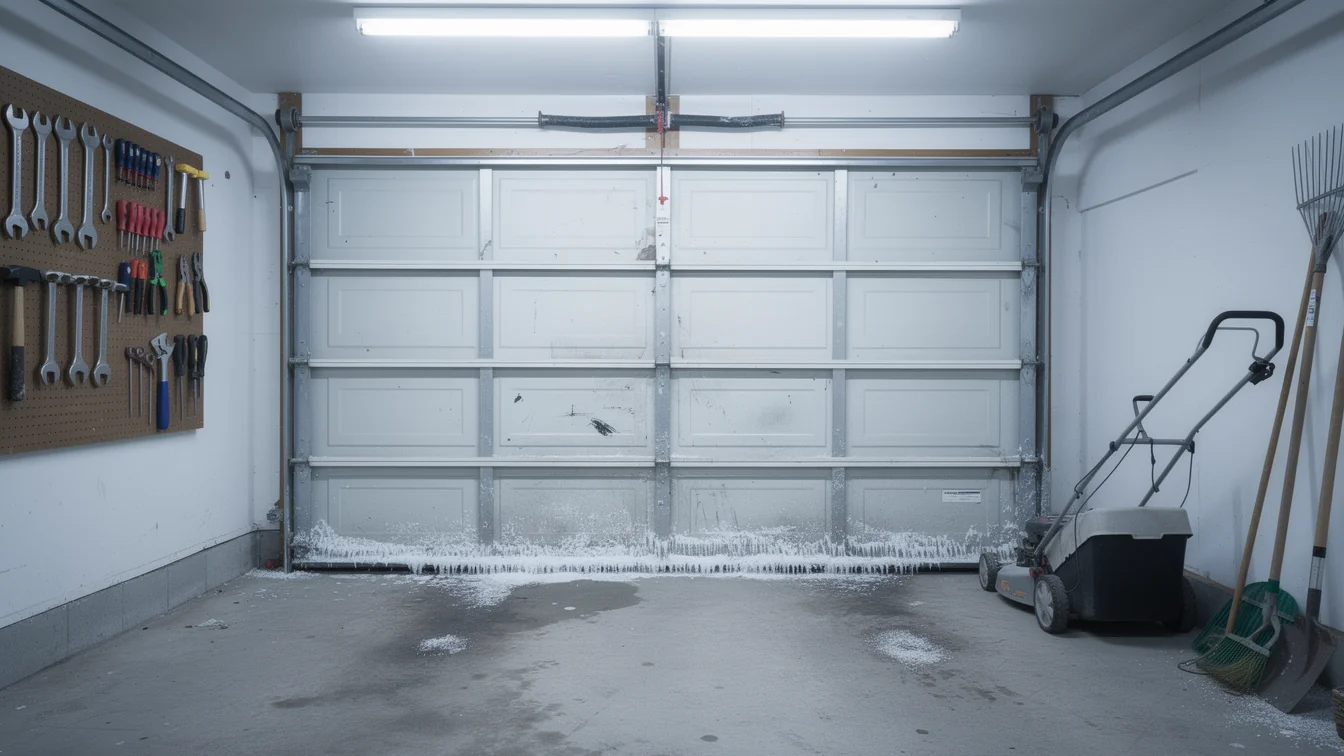 What Sandy's Housing Age Means for Your Garage Door
Sandy's housing stock runs 1969 to 2015 with a 1999 median, and the cold-severe climate here is hard on the uninsulated steel doors that era shipped with.
Ready when you are
Need a garage door sorted in Sandy?
Sandy Garage Door Pros repairs and installs garage doors, springs and openers in Sandy, UT and the surrounding area.