
Granite, Sandy
Garage Door Maintenance for Granite's 1981-Era Doors
Granite homes mostly went up around 1981, years before today's opener safety standards. We drive the 3 miles from Sandy to service that older hardware correctly.
How to Book
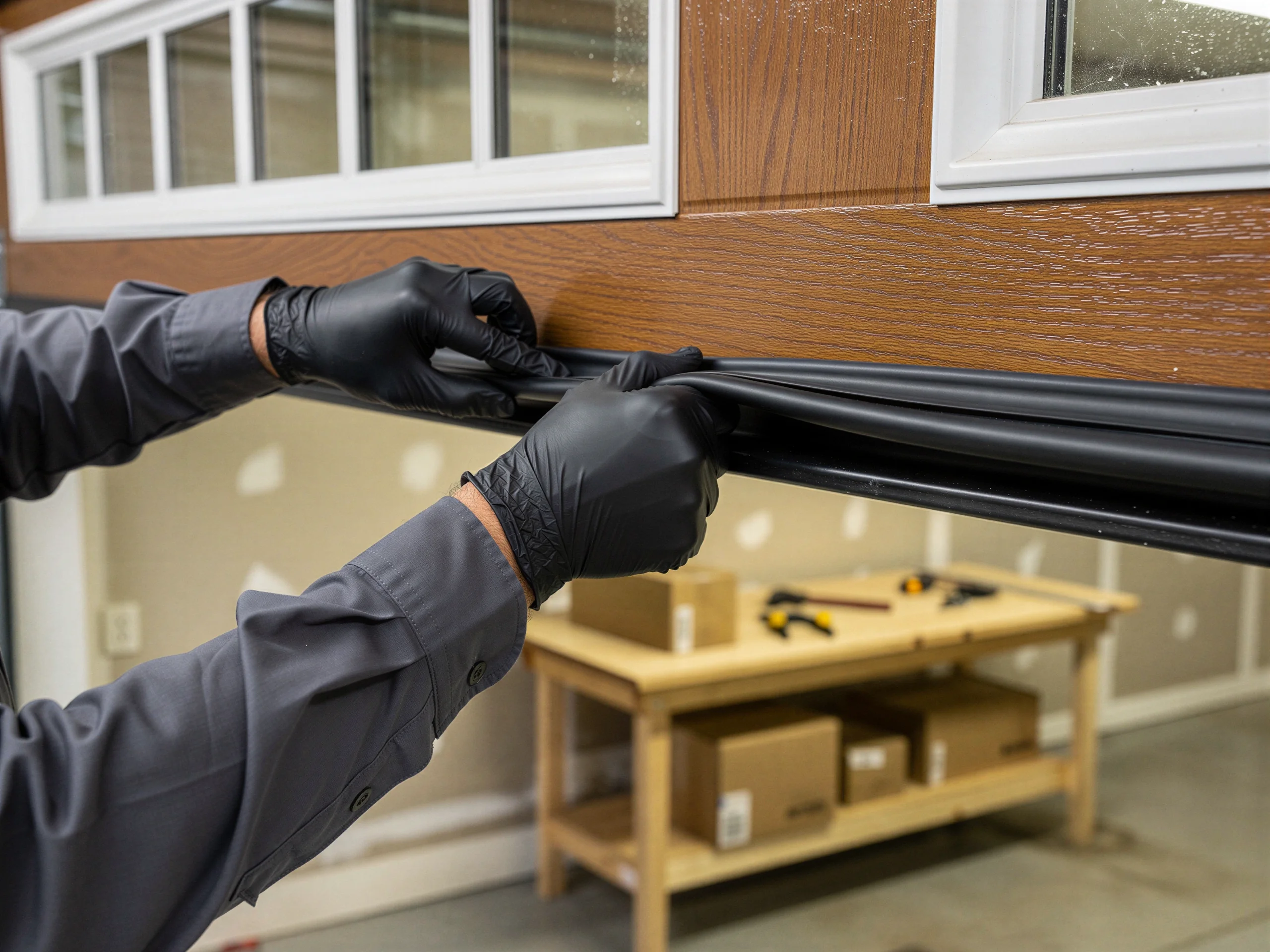
Granite sits about 3 miles from our Sandy shop, so getting a truck out here isn't a logistics problem, it's a scheduling one. Call and tell us the age of the house if you know it. A home built around 1981, which is typical for this stretch, usually means original or first-replacement hardware that a newer home nearby wouldn't have. That detail changes what we load before we even leave Sandy. We don't run a branch out of Granite itself, so every visit starts as a dispatch from the main shop, which is why having your address and a rough sense of your door's age ready when you call saves a callback. If your opener has never been serviced, say so. Most haven't.
Can You Do This Yourself
Lubricating rollers and hinges, checking the auto-reverse by setting a piece of wood under the door, and vacuuming the tracks are fine to do yourself regardless of the house's age.
Extension spring hazards
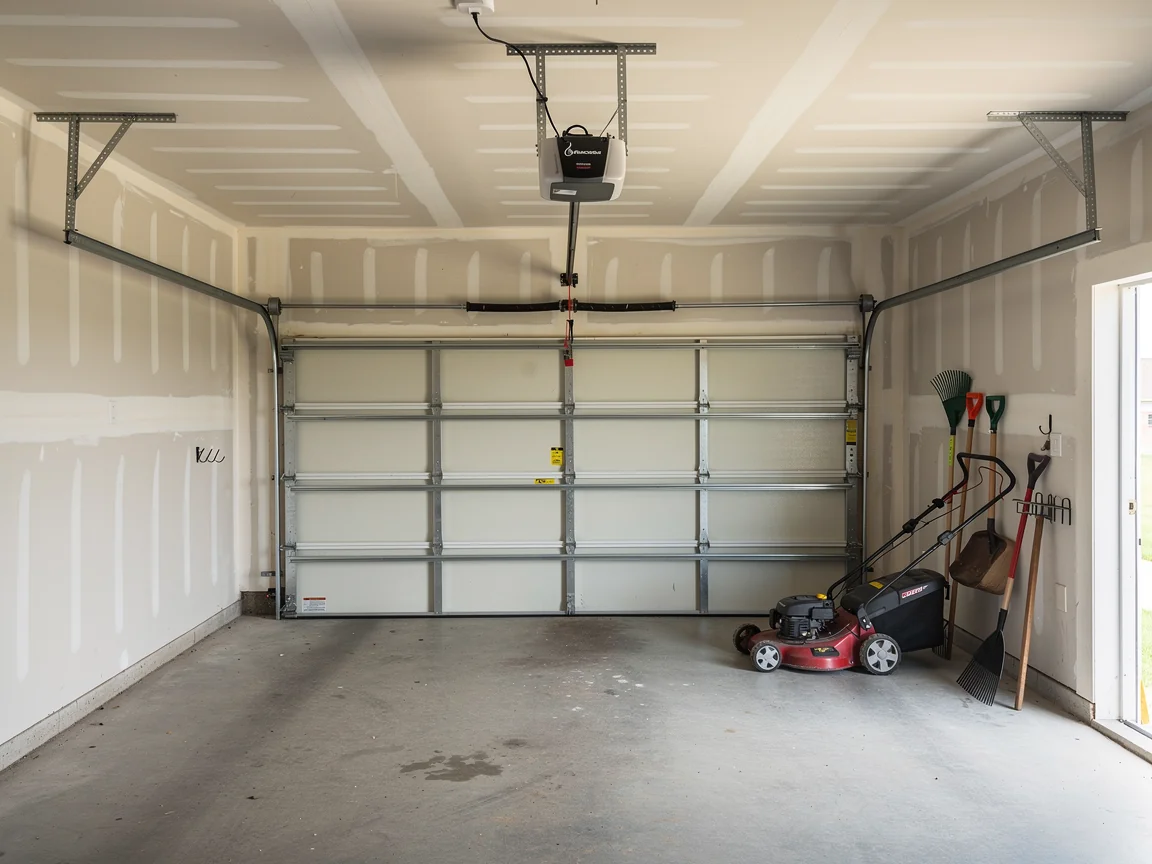
What changes with a 1981-era door is the spring system. A lot of homes from that period still run extension springs along the horizontal tracks rather than a torsion bar over the opening, and extension springs without a safety cable are a real hazard if one lets go under tension.
Know your spring first
If you're not sure which type is overhead, don't touch the spring itself. Tightening hardware, checking the weatherstrip at the bottom panel, and watching how the door balances when disconnected from the opener are the safe DIY jobs. Anything involving the spring or the cable drums on a door this old is not a weekend project.
What Is on the Truck
For a service call in Granite we bring parts sized for the housing stock here rather than for the newer builds further out toward Lehi or Saratoga Springs. That means extension spring sets and safety cables, steel roller brackets, and the older-style chain-drive opener components that a lot of 1981 houses still carry, alongside the torsion hardware that's become standard since. We also carry cold-rated lubricant, since this climate band runs severe winters that gum up standard grease and stiffen seals. Coming the 3 miles from Sandy means we're not guessing what's common out here; it's informed by what we've loaded for this kind of neighborhood before.
What Can Go Wrong
A door installed around 1981 has had four decades of winters to work on it. The most common failure we see on houses this age is a worn extension spring finally giving out, usually on the coldest mornings when the steel is least flexible.
Hidden internal cable rust
Cold, severe-winter climates like this one are hard on galvanized cable too; it rusts from the inside of the strand where you can't see it until it frays.
Auto-reverse sensitivity loss
Chain-drive openers from this era, if they haven't been replaced, tend to lose the auto-reverse sensitivity that current code expects, which is a safety issue more than a convenience one.
Bottom corner rust damage
Panels on original steel doors also dent and rust at the bottom corner where snow and slush sit, which throws off the door's balance even when the spring is fine.
What It Costs
We're not going to quote a number here that doesn't apply to your specific door, and on a house this age the cost swings a lot depending on whether you've got original extension springs, an upgraded torsion system, or something already replaced over the years. What we can say is that maintenance on an older setup like what's common in Granite usually costs less than it does once a worn spring takes a cable drum or roller bracket with it. The honest limitation: if your opener and spring system are both original from 1981, a tune-up sometimes turns into a recommendation to replace rather than keep patching. We'll tell you straight if that's the case instead of running up a repair bill on hardware that's past its useful life.
What the Fix Involves
A standard maintenance visit starts with checking spring tension and balance, since that tells us more about a door's real condition than its age does. On the extension-spring setups common in this area, we inspect the safety cables first, because a missing or frayed one is the single most dangerous gap we find on houses from this period. We re-lubricate rollers, hinges, and the drum assembly with a cold-rated product suited to this climate, tighten loose track brackets, and test the opener's force and reverse settings against current safety limits. If the door is original steel from 1981, we also check the bottom panel for rust-through, since that's usually the first part to go on a door this old. None of this requires pulling the opener or the springs unless something fails inspection.
Questions
Common questions
Is my garage door too old to maintain instead of replace?
Not necessarily. A lot of Granite houses from around 1981 still run original hardware that's perfectly serviceable if the springs and cables have been kept lubricated and the panel hasn't rusted through. We check balance and wear before recommending anything, and plenty of these doors have years left in them with regular upkeep.
Do you have a shop in Granite?
No, we run out of Sandy, about 3 miles away. We service Granite regularly, we just dispatch from the main shop rather than keeping a separate branch location here.
Why does my opener seem slower in winter?
This area sits in a cold, severe-winter climate band, and standard grease thickens in low temperatures, which drags on the chain or belt and the spring. We use cold-rated lubricant during maintenance specifically because of how this climate treats older hardware.
What's the most common problem you find on older Granite doors?
On houses from around 1981, it's usually a worn extension spring or a corroded safety cable, since that hardware was standard for the period and extension-spring systems take more direct wear than torsion setups.
Explore more
More Services in Granite
Garage Door Repair
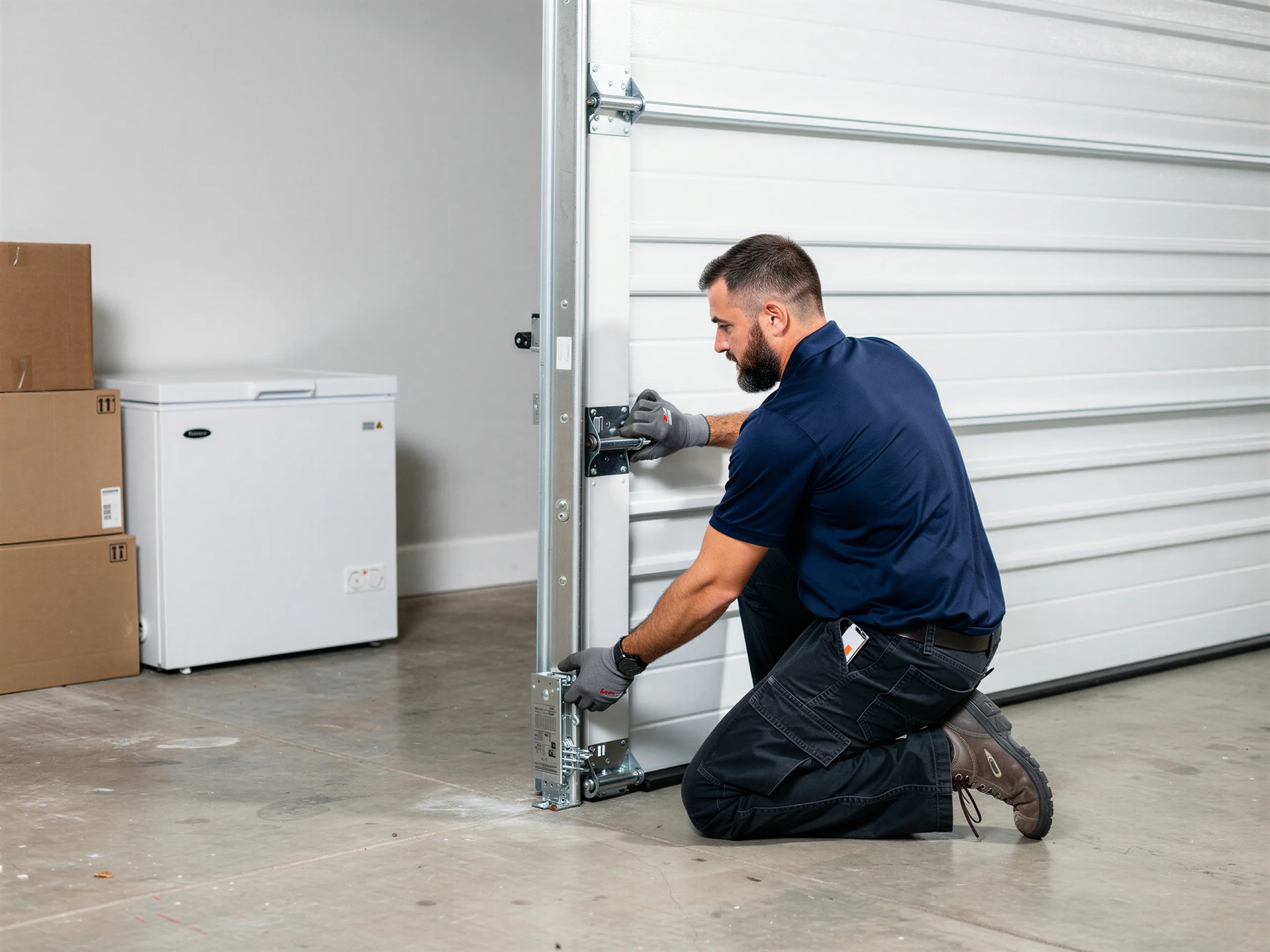
Granite homes mostly date to 1981, a decade older than the service area median of 1999 - that gap shows up in torsion springs and worn tracks. Learn more →
Garage Door Service
Granite homes went up around 1981, a decade before most of the service area. Learn more →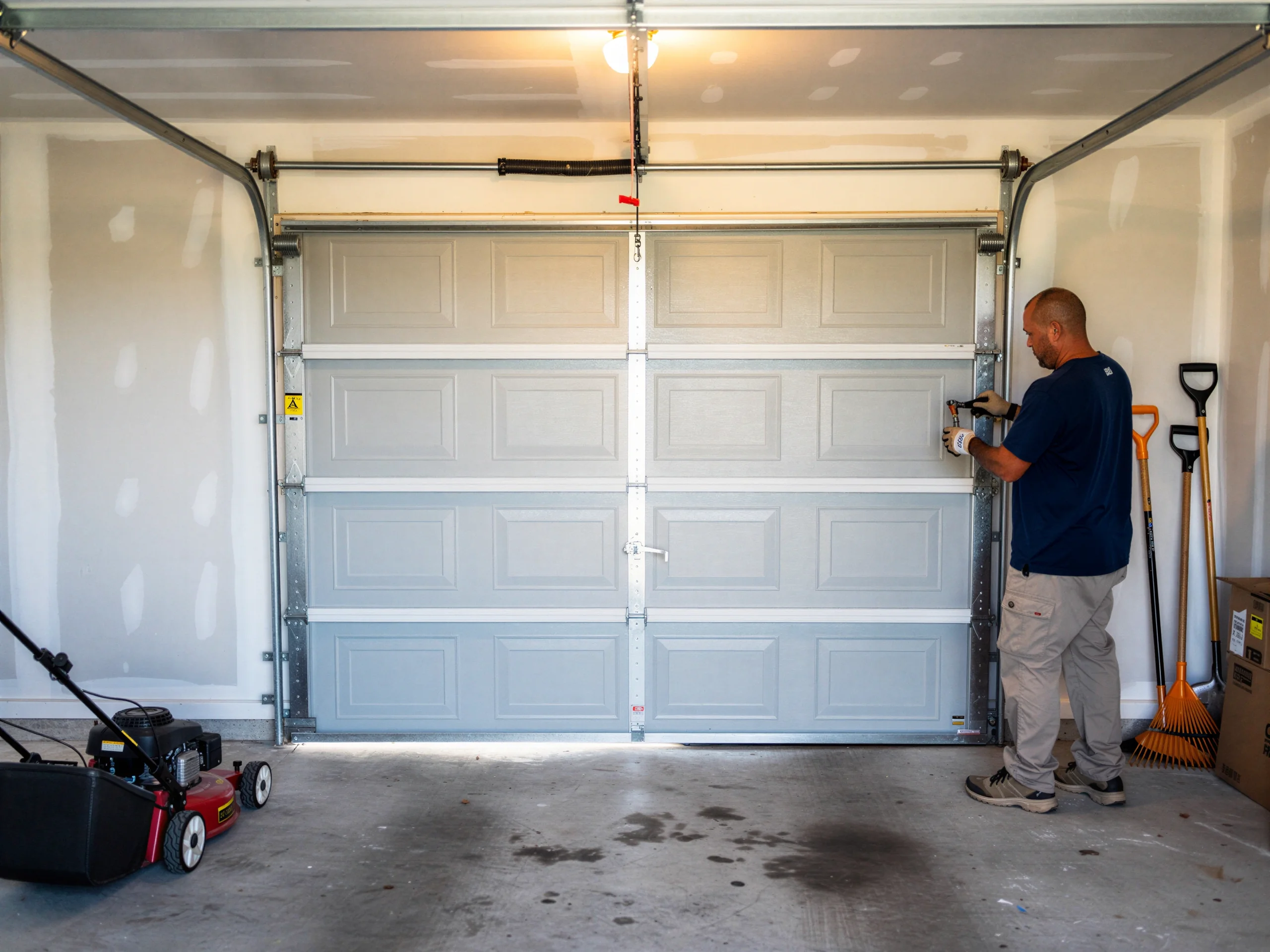
New Door Installation
Granite's homes mostly went up around 1981, which means single-layer steel doors on hardware that's aged out. Learn more →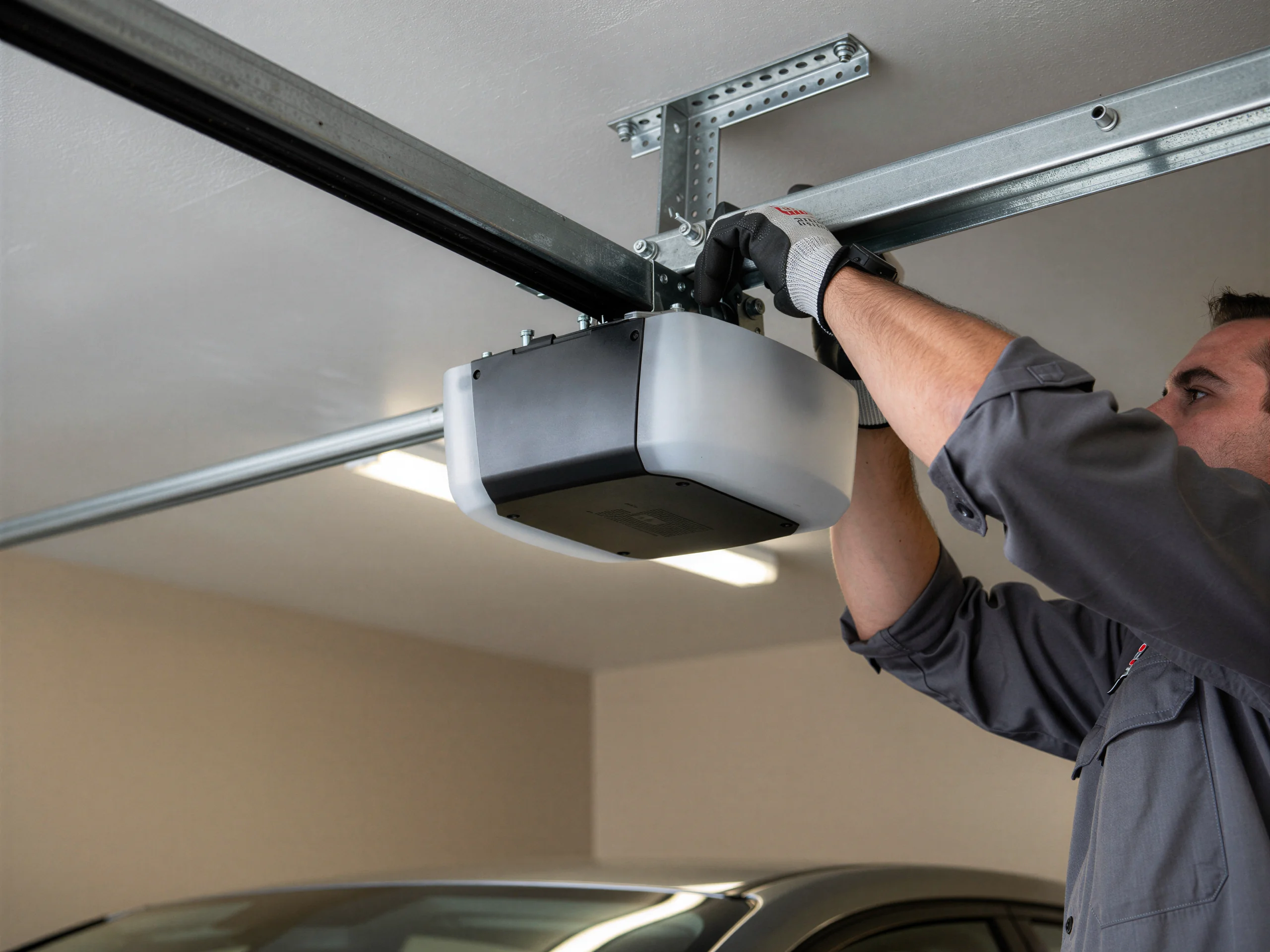
Opener Installation
Granite sits 3 miles from our Sandy shop, with homes dating mostly to 1981. Learn more →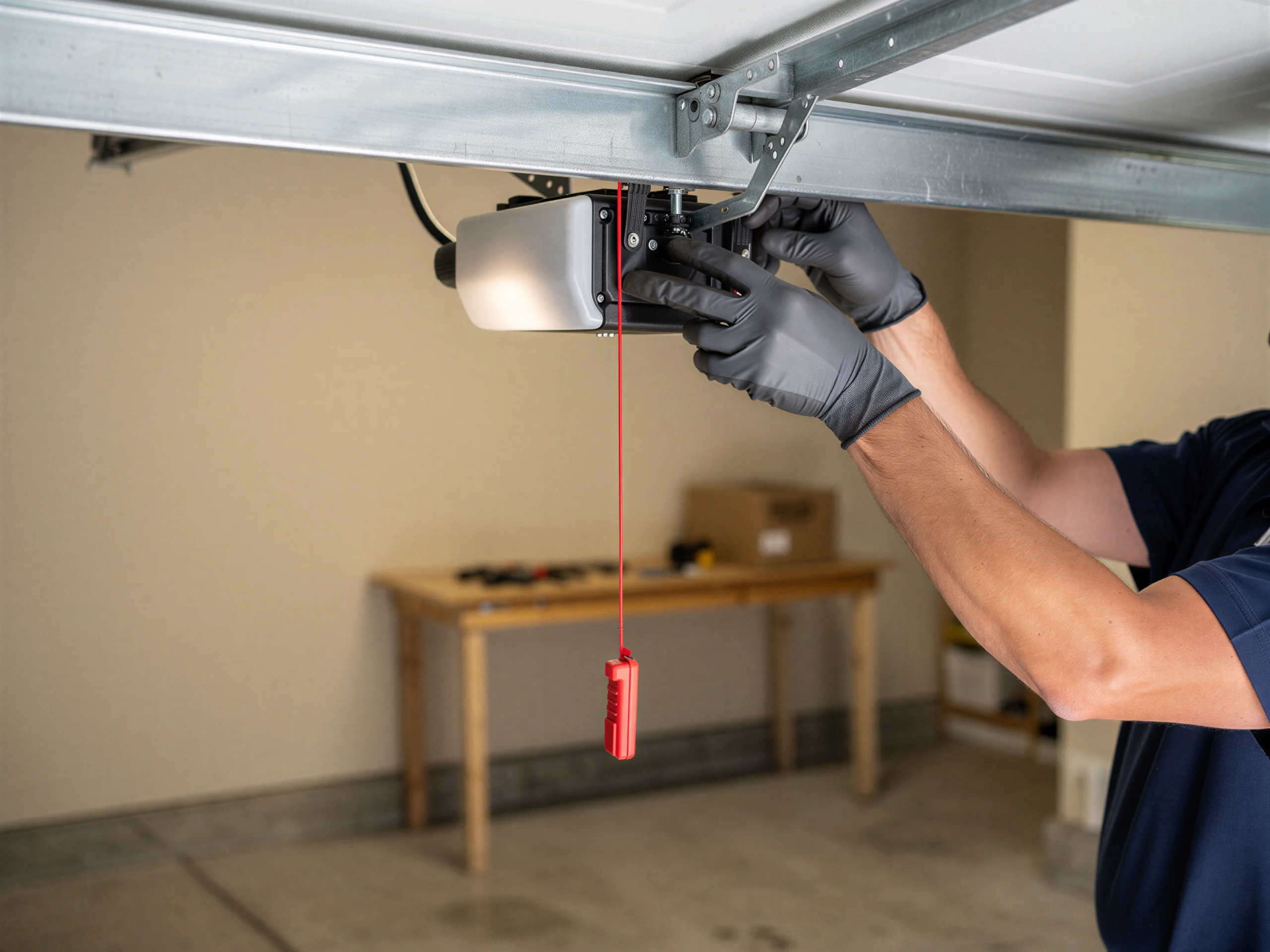
Opener Repair
Opener repair for Granite, UT's 241 households, most built around 1981. Learn more →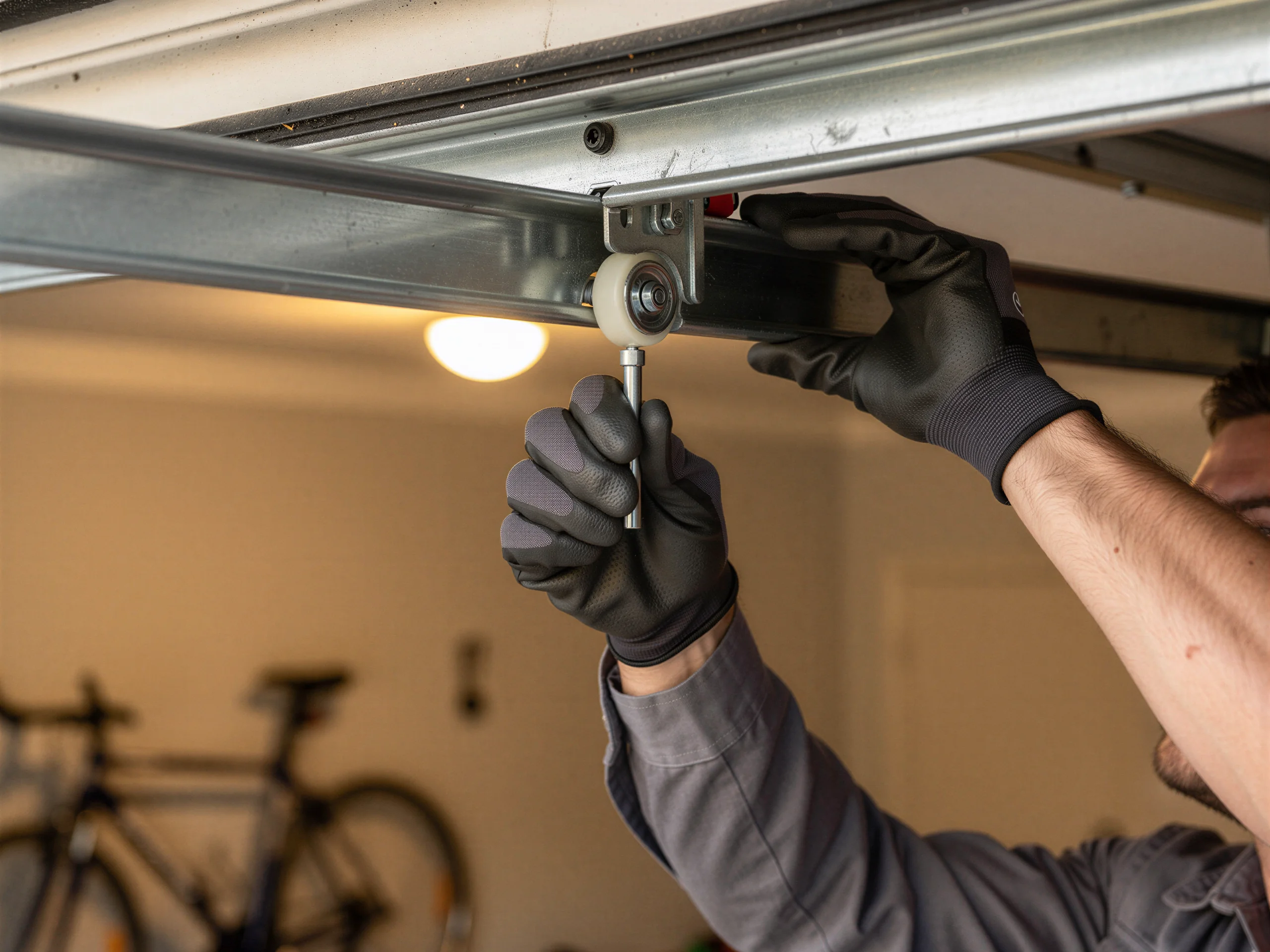
Roller Replacement
Granite homes from 1981 still run original steel rollers on original track. Learn more →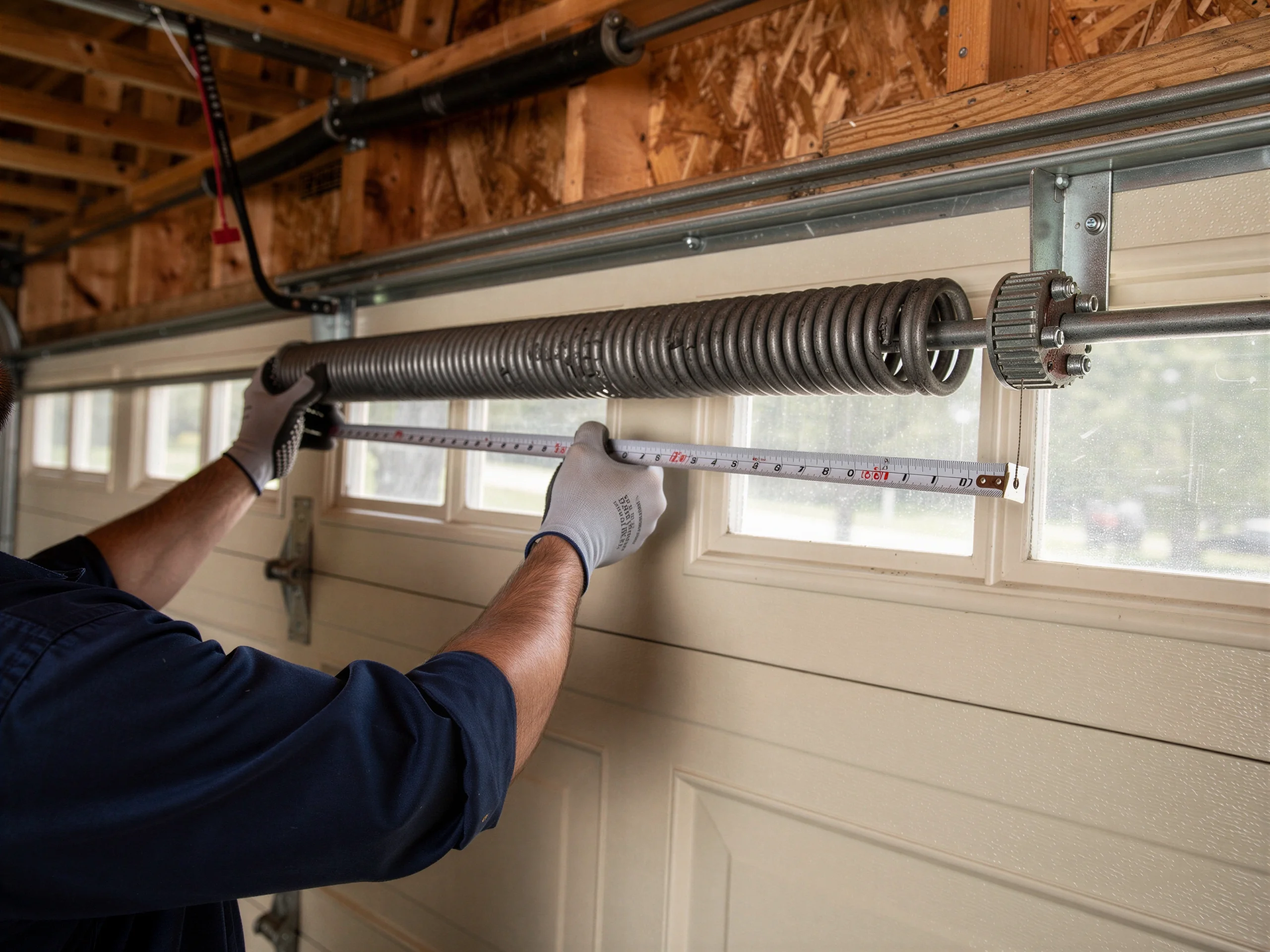
Spring Repair
Granite's homes mostly date to the early 1980s, older than the service area median. Learn more →Ready when you are
Time for a garage door tune-up in Granite?
Sandy Garage Door Pros repairs and installs garage doors, springs and openers in Sandy, UT and the surrounding area.