
Granite, Sandy
Spring Repair for Granite's Older Torsion Setups
Granite's homes mostly date to the early 1980s, older than the service area median. That means heavier torsion springs and different failure points. We drive the 3 miles from Sandy to fix them.
How to Book
Granite sits about 3 miles from our shop in Sandy, close enough that getting a tech out isn't the bottleneck - diagnosing the right spring is.
Older shaft and cone sizes
Because the median home here went up around 1981, nearly two decades before the 1999 median for the wider service area, a lot of the torsion setups we find in Granite use shaft sizes and winding cones that newer suburbs don't have anymore.
Age sets spring choice
When you call, tell us the approximate age of the house if you know it - that one detail lets us load the correct spring before we leave Sandy instead of guessing and coming back. We cover the visit from our Sandy location; there's no separate Granite branch or dispatch point, just a short drive over.
Symptom notes speed visit
If you're not sure whether the issue is the spring or something else - opener, track, cable - a quick description of what you're seeing (door won't lift, loud bang, cable slack) helps us bring the right parts the first time.
Can You Do This Yourself
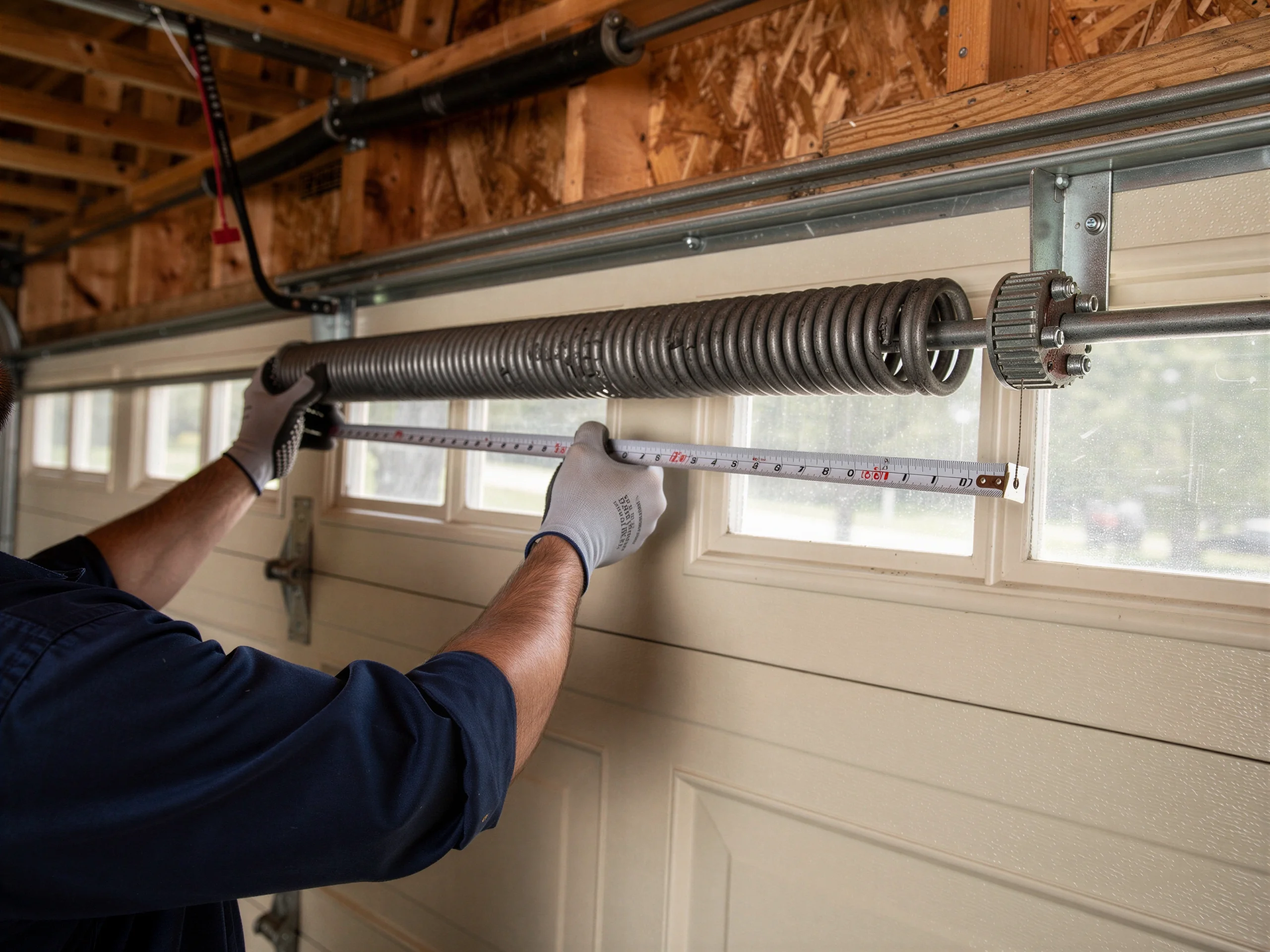
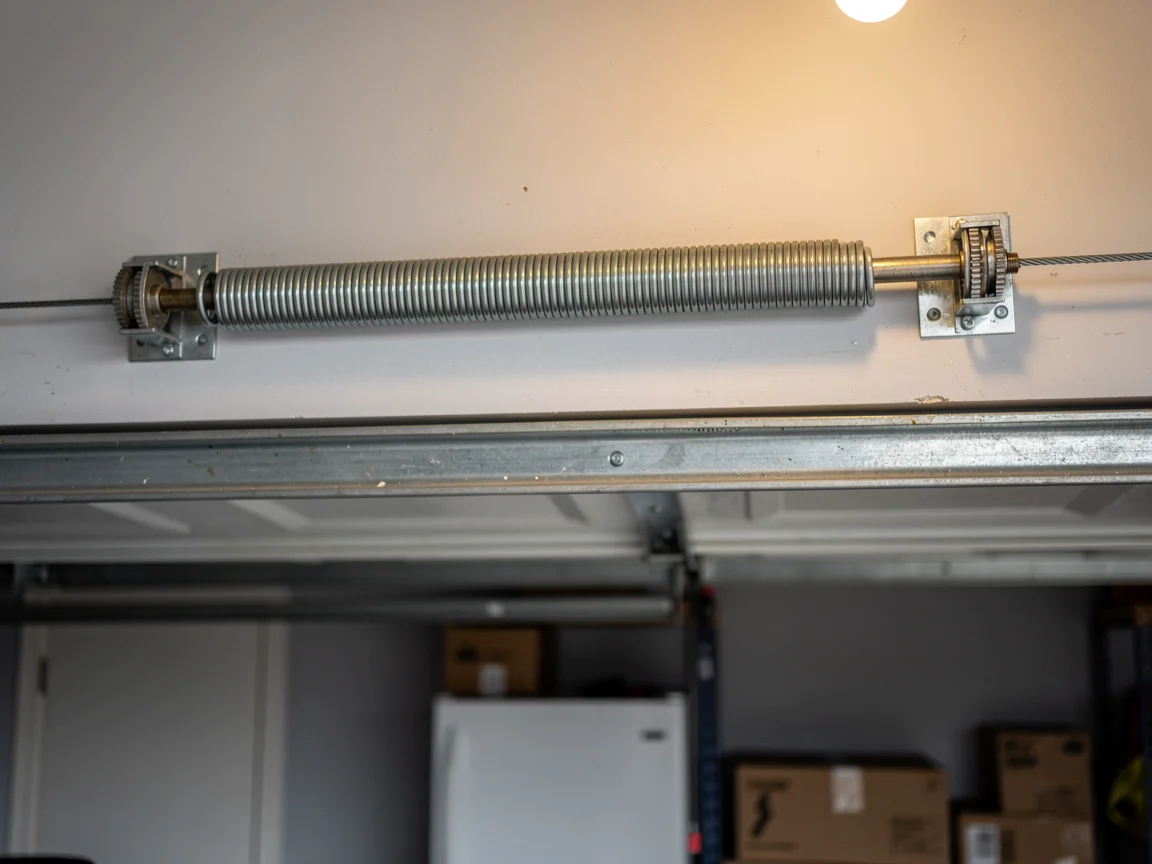
A torsion spring under full tension can put someone in the ER, and on a 1981-era door the winding cones and shaft are often original, meaning more corrosion and more resistance than a spring installed in the last decade. We don't recommend DIY on these. Where a homeowner can safely help themselves: checking whether it's actually the spring (door won't budge, or opener strains and reverses) versus a broken cable or worn roller, which look similar but aren't the same repair. If the door was hand-cranked open and now sits crooked, that's consistent with one spring on a two-spring system letting go - common enough in older stock here. Leave the winding bars in the truck.
What Is on the Truck
Because Granite's housing stock skews to the early 1980s rather than the service area's 1999 median, we stock torsion springs sized for that older generation of doors, not just the current standard sizes.
Stocked spring sizes
That includes springs for the heavier shaft diameters some of those original installs used. We also carry standard-duty springs for any homes here that have already been upgraded or replaced.
Fatigue-rated spring stock
Given the cold-severe winters this region gets, we carry springs rated for the wire gauge and cycle life that cold-climate steel needs, since cold steel fatigues faster than the spec sheet assumes in a mild climate.
Specialty brand order delays
What we don't carry on every truck is a part for a discontinued or specialty opener brand - if your door has an obscure or custom setup, that may mean a short order delay.
What Can Go Wrong
On a door built around 1981, the two most common failures we see are a torsion spring that's simply outlived its cycle count and a winding cone that's rusted onto the shaft, which turns a straightforward spring swap into extra time freeing the hardware. Cold-severe winters accelerate metal fatigue in torsion springs generally, and on hardware that's already 40-plus years old in parts of Granite, that fatigue shows up as a sudden snap rather than a slow weakening you'd notice first. We also see single-spring systems on older two-car doors here that were never upgraded to a two-spring setup, which means if one fails, the door's full weight shifts to the opener and can strip the gears. That's a separate repair from the spring itself.
What It Costs
We don't have a published price list specific to Granite calls, and quoting a number without seeing the spring size and door weight would be guessing - we won't do that.
Spring type cost factors
What we can tell you is what drives the cost on a Granite job specifically: whether it's a standard torsion spring or one of the older, heavier-shaft sizes common in the 1981-era homes here, and whether the winding cones need to be freed or replaced along with the spring.
Dual-spring upgrade value
A two-spring upgrade on an old single-spring door costs more than a straight swap, but it's often the right call rather than replacing one spring now and the other in a year.
What the Fix Involves
The job starts with unplugging the opener and clamping the door in place, since a torsion spring under tension is not something you work around. From there it's winding down the old spring, pulling the shaft if the bearing or cone is seized - more likely on Granite's older stock than on a door from the last ten years - and setting the replacement spring with the correct number of turns for your door's weight and track length. On a two-spring system we replace both at once, not just the one that broke, since the second is usually close behind it. Once it's wound and the cable drums are seated, we run the door through a full cycle and check balance by hand before handing it back to you. A full swap on a straightforward setup is usually under an hour; a seized cone or a non-standard shaft adds time.
Questions
Common questions
Why does a 1981-built house need a different spring than a newer one in the area?
Homes from that era in Granite often used heavier shaft diameters and winding cone styles that aren't the current standard. The spring itself has to match the shaft and door weight, so an older setup sometimes needs a part we have to load specifically rather than grab off the generic shelf.
Do you have a shop in Granite?
No. We're based in Sandy, about 3 miles away, and we drive out to Granite for calls. There's no separate branch or drop-off point here - just the one shop.
Is it worth replacing both springs if only one broke?
On a two-spring door, usually yes. The springs wear on roughly the same cycle, and if one let go, the other is close to the end of its life too. Replacing just one often means a second service call within a year or two.
Can cold weather really break a spring that was fine last winter?
Yes. Cold steel is more brittle than warm steel, and this region's winters are classified cold-severe. A spring that's near the end of its cycle count is more likely to snap outright in freezing temperatures than it would be in a mild climate.
Explore more
More Services in Granite
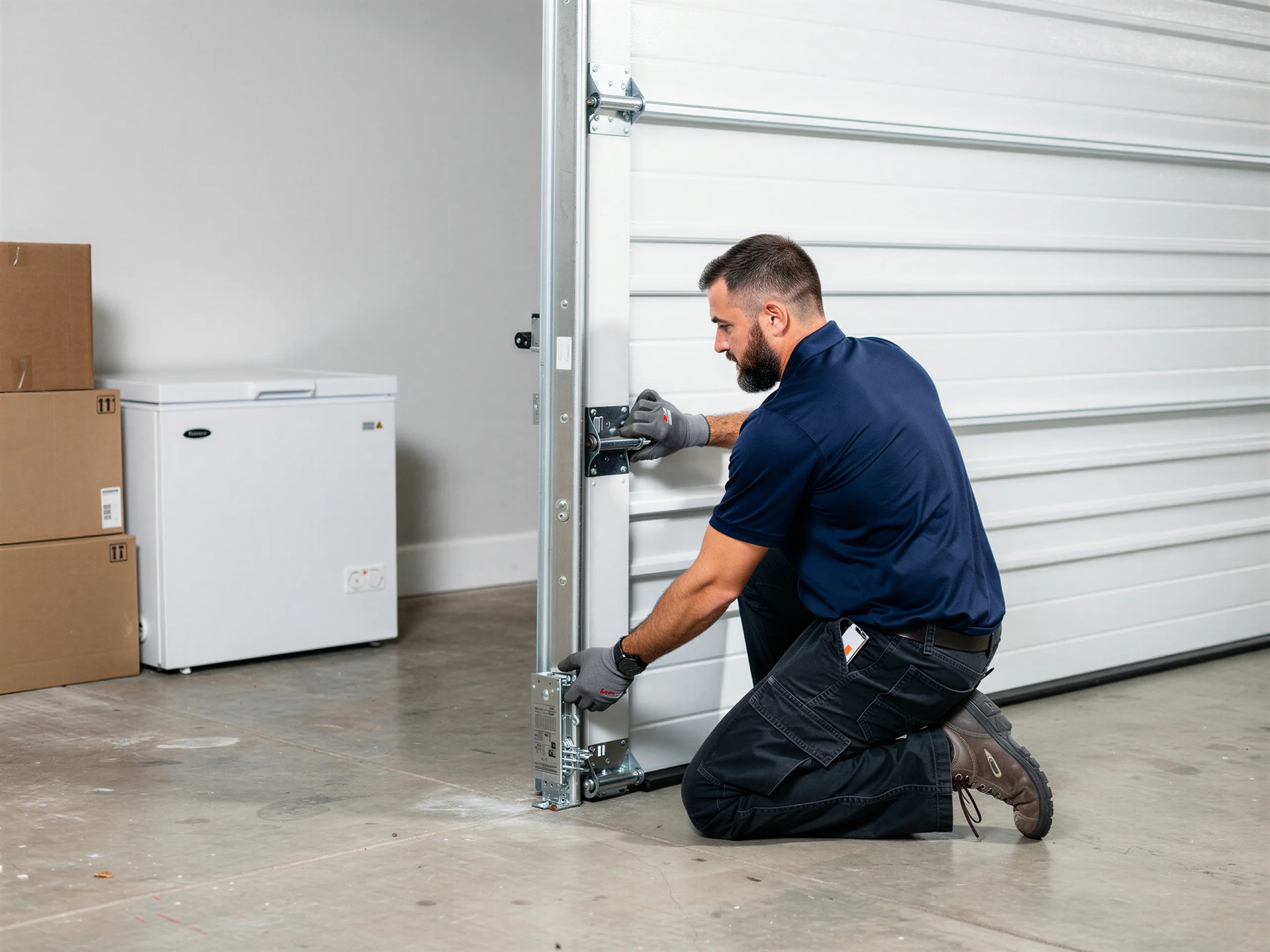
Garage Door Repair
Granite homes mostly date to 1981, a decade older than the service area median of 1999 - that gap shows up in torsion springs and worn tracks. Learn more →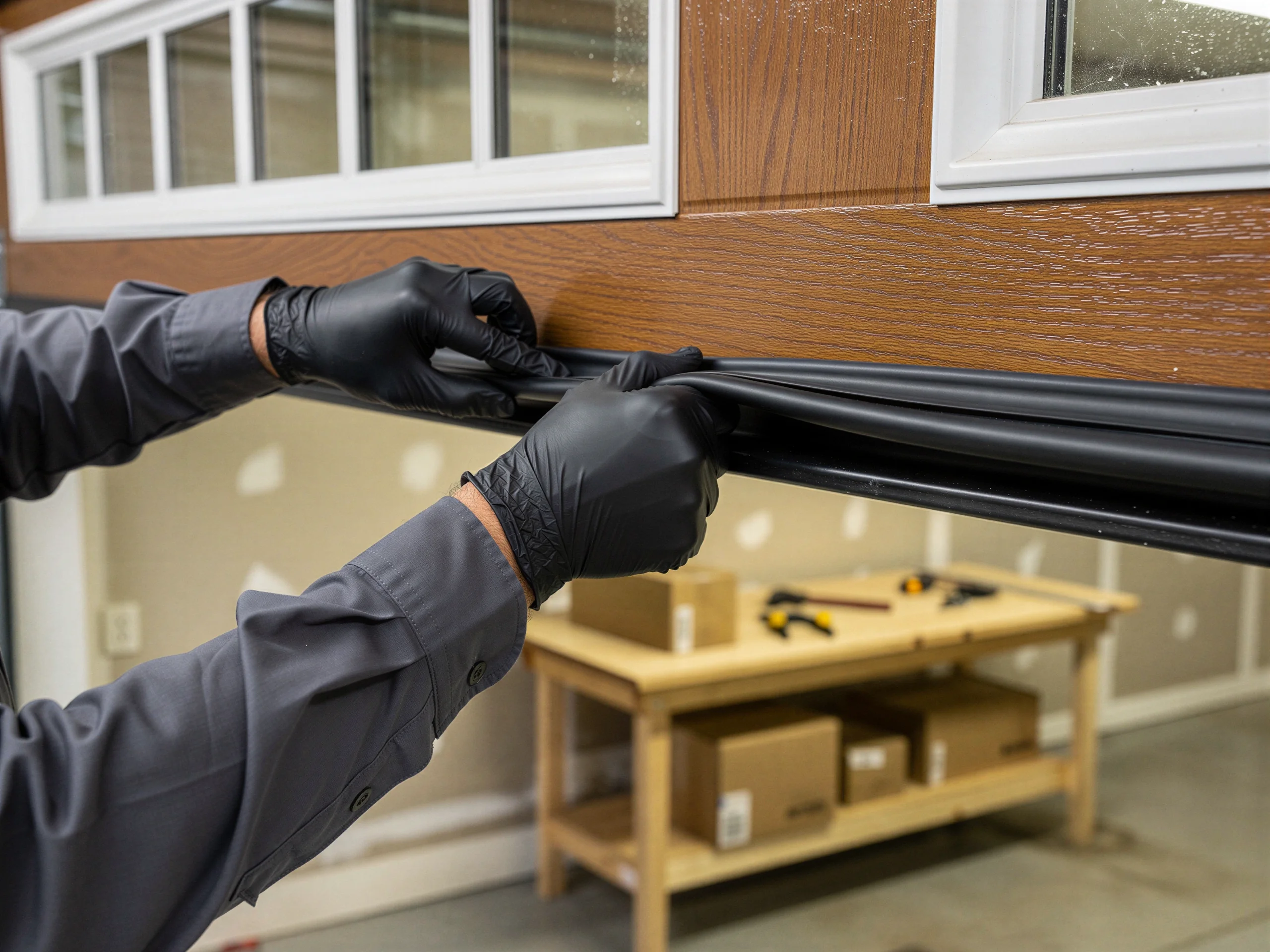
Garage Door Service
Granite homes went up around 1981, a decade before most of the service area. Learn more →
Maintenance
Granite homes mostly went up around 1981, years before today's opener safety standards. Learn more →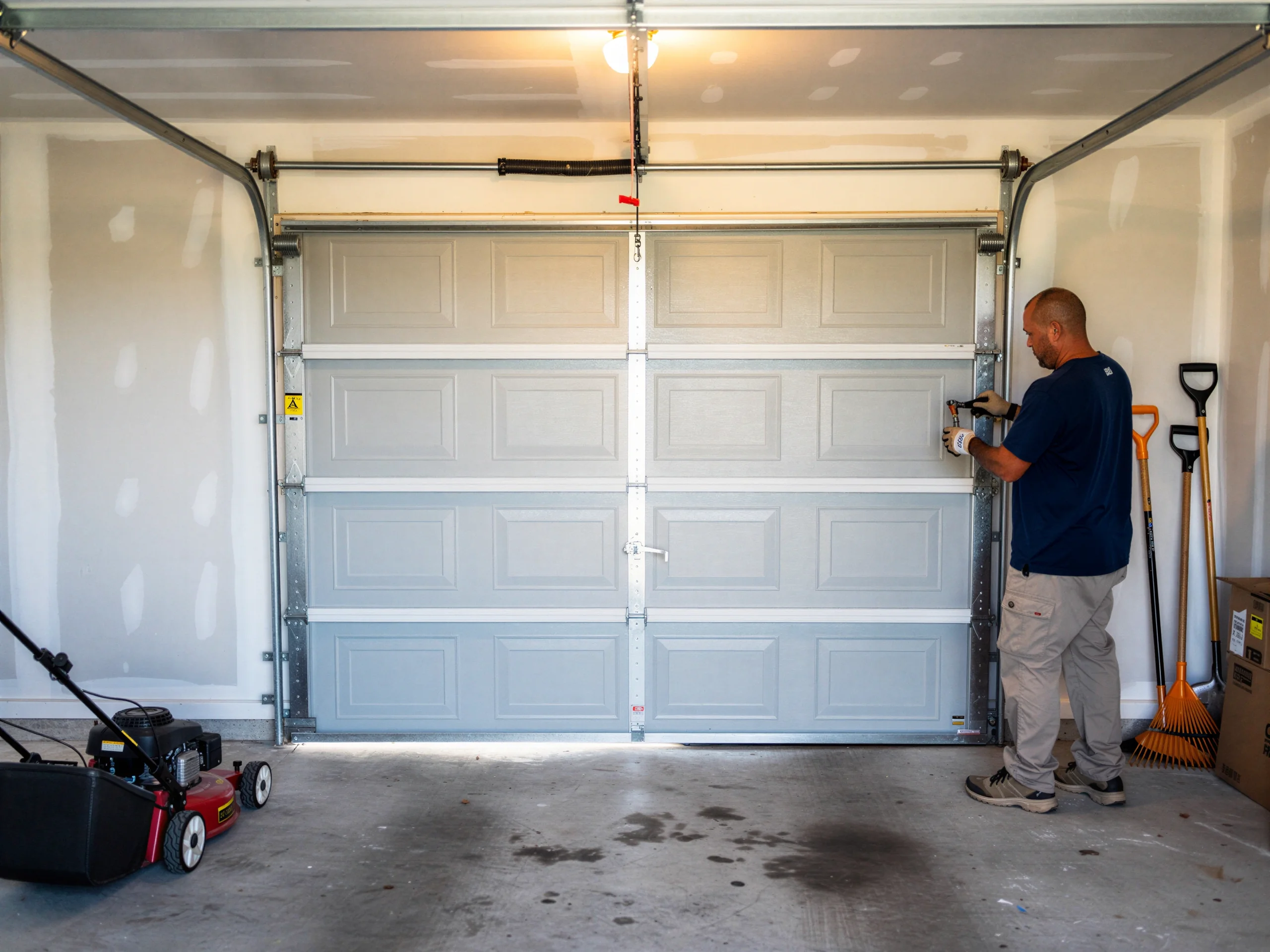
New Door Installation
Granite's homes mostly went up around 1981, which means single-layer steel doors on hardware that's aged out. Learn more →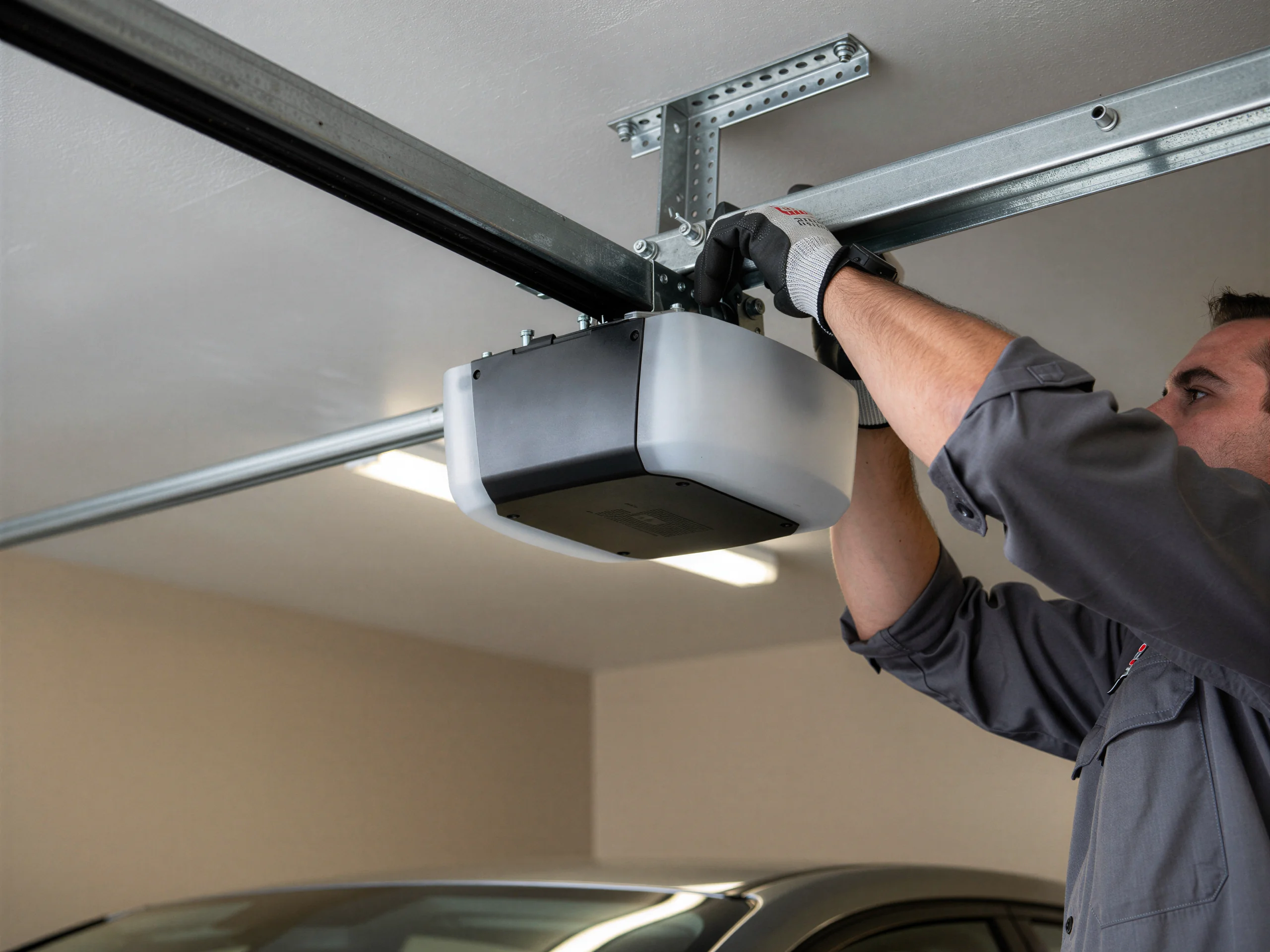
Opener Installation
Granite sits 3 miles from our Sandy shop, with homes dating mostly to 1981. Learn more →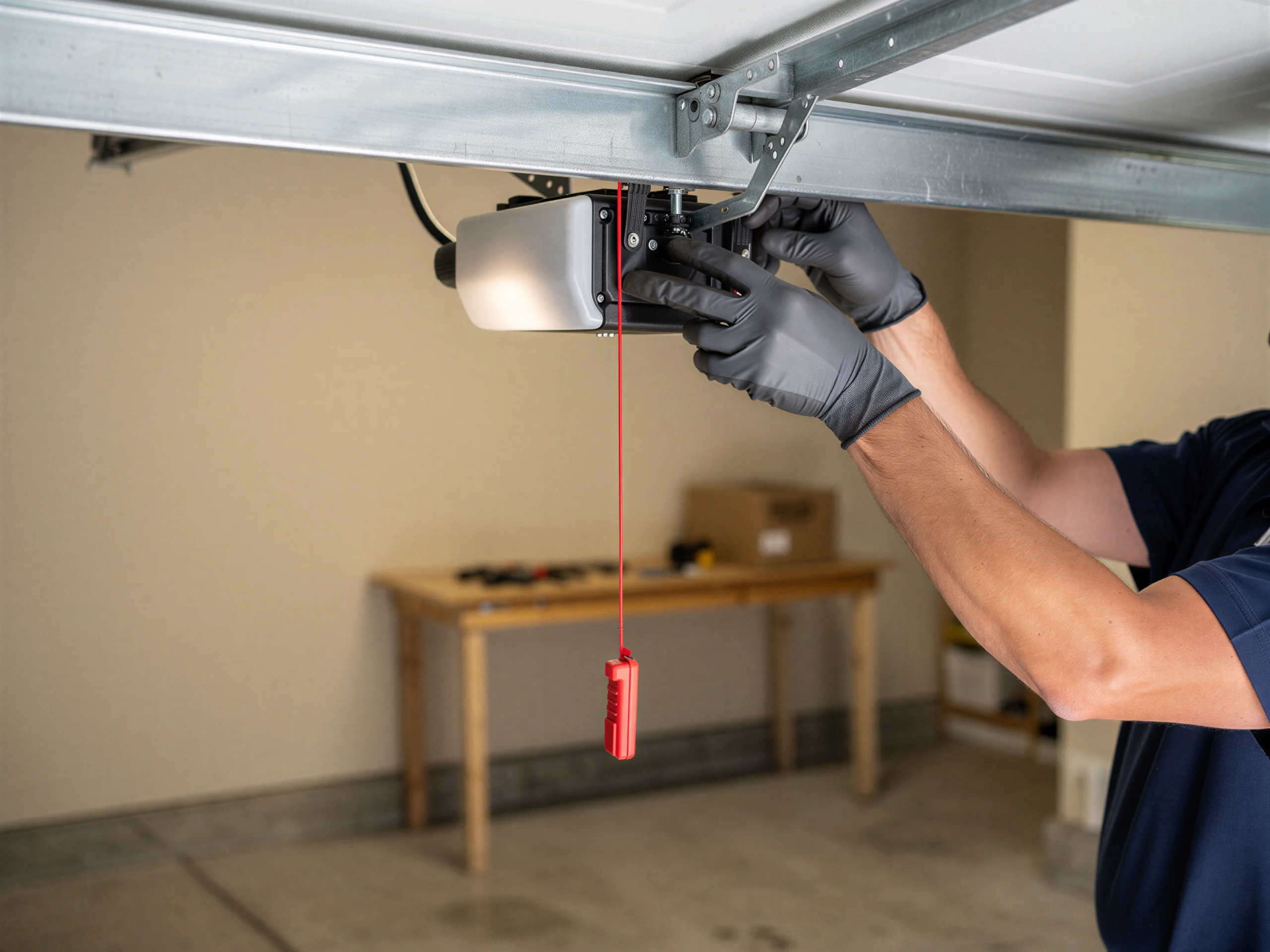
Opener Repair
Opener repair for Granite, UT's 241 households, most built around 1981. Learn more →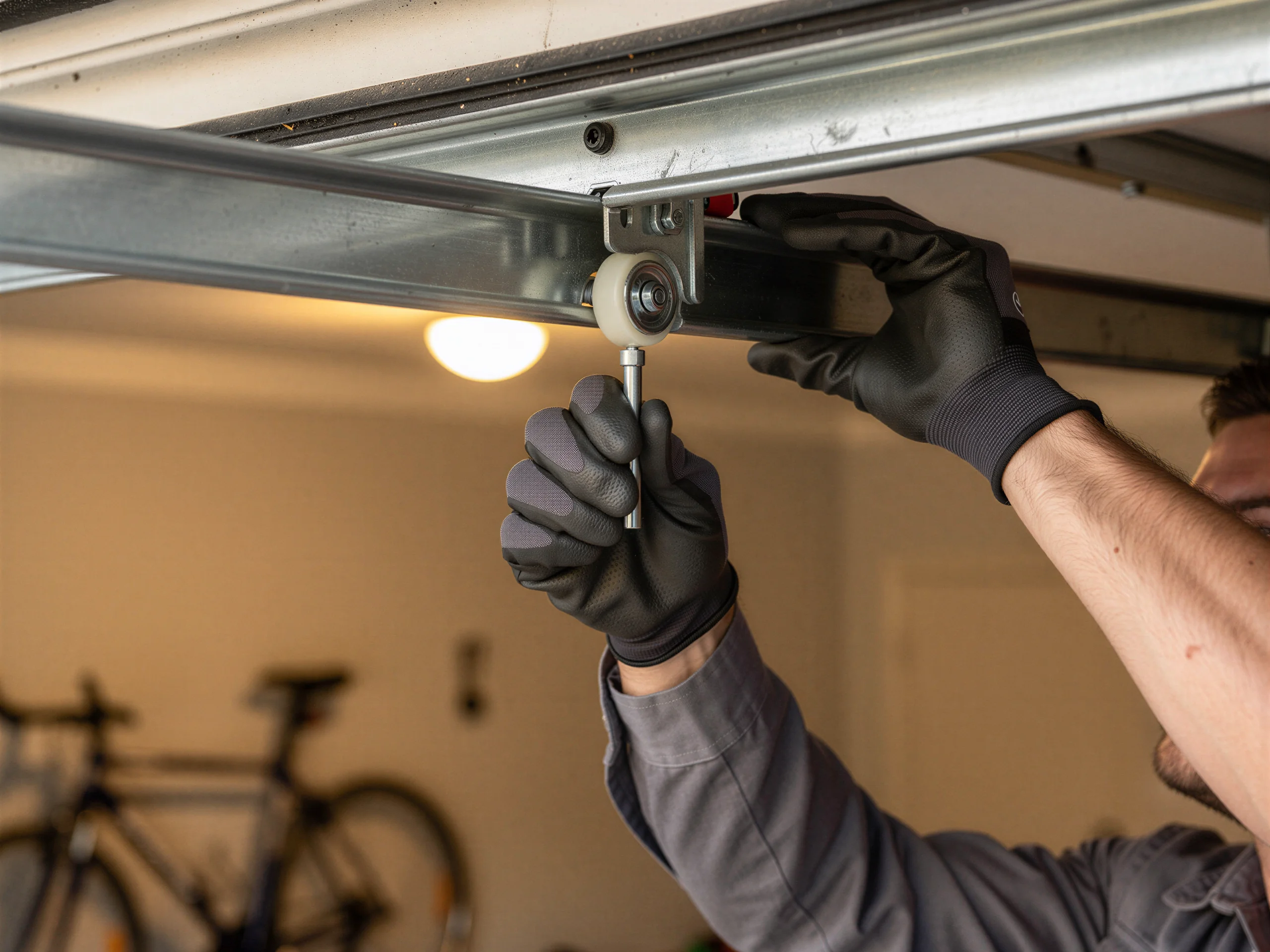
Roller Replacement
Granite homes from 1981 still run original steel rollers on original track. Learn more →Ready when you are
Broken garage door spring in Granite?
Sandy Garage Door Pros repairs and installs garage doors, springs and openers in Sandy, UT and the surrounding area.