
Cottonwood Heights, Sandy
Garage Door Repair for Cottonwood Heights Homes
Garage door repair for Cottonwood Heights homes, most built around 1978 with original steel doors and aging spring hardware. Out of Sandy, 3 miles away.
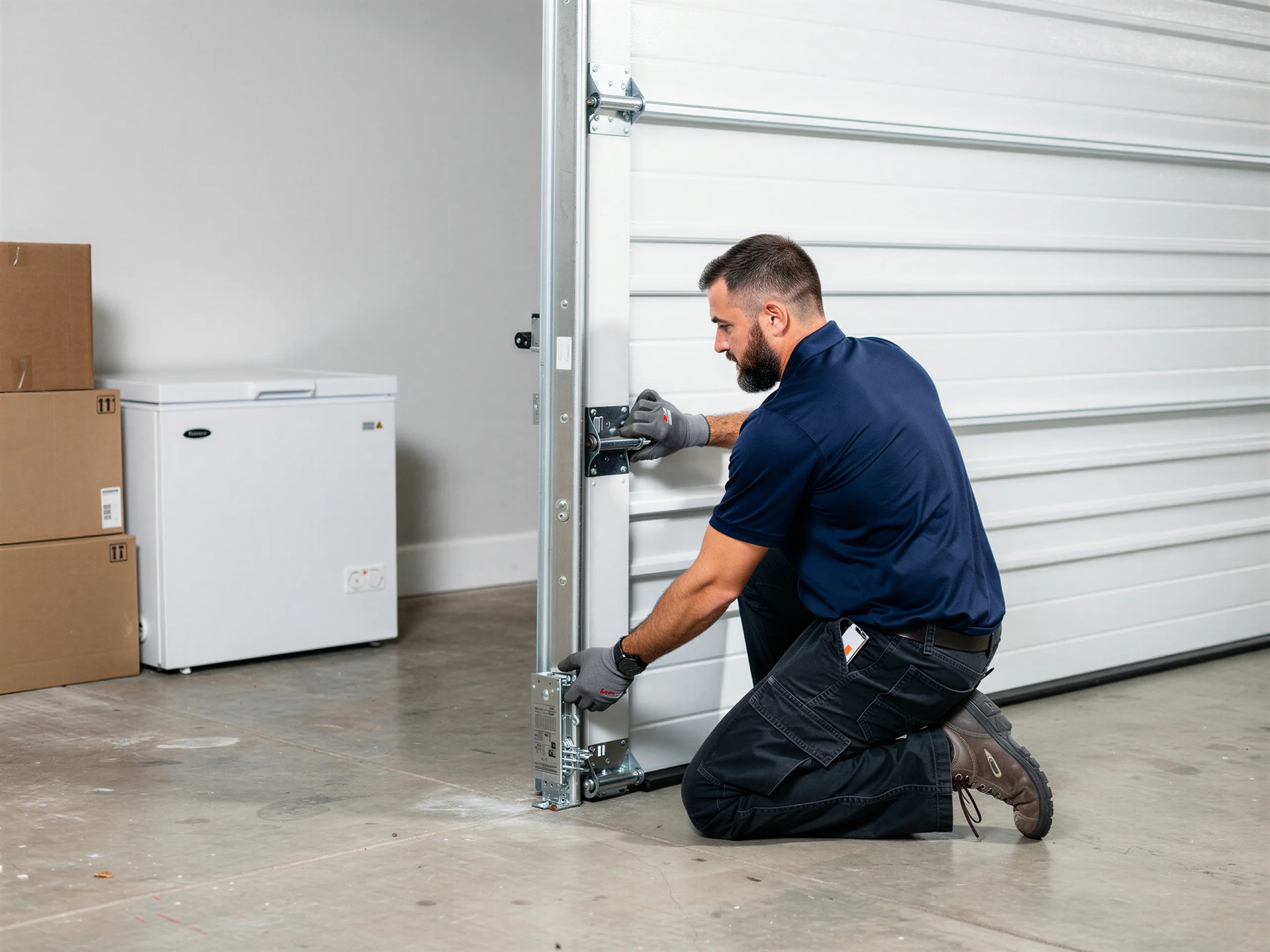
How Long It Takes
A lot of what we see in Cottonwood Heights comes from the fact that the typical house here went up around 1978 - older than much of the surrounding service area, where the median build year runs closer to 1999.
Original single-layer steel doors
That means more of these garages still have their original steel sectional door: single-layer, no foam core, often 16 feet wide for the two-car bay, hung on hardware that's now pushing fifty years old. Before we talk about what's broken, it's worth naming what we're actually dealing with - a door built for a different era of weatherstripping and a different expectation of how many cycles a spring should last.
Usually a one-hour visit
On a straightforward call - a broken extension spring, a cable off the drum, a sensor knocked out of alignment - we're usually in and out inside an hour once the truck is on site. We're coming from Sandy, about 3 miles out, so travel time is short.
Warped track or dead openers
Where it runs longer is when the track itself has warped on an old door that's been forced through a bent run for months, or when the opener is an original unit nobody makes parts for anymore. In those cases we're not guessing at time on the phone - we tell you once we've opened the panel.
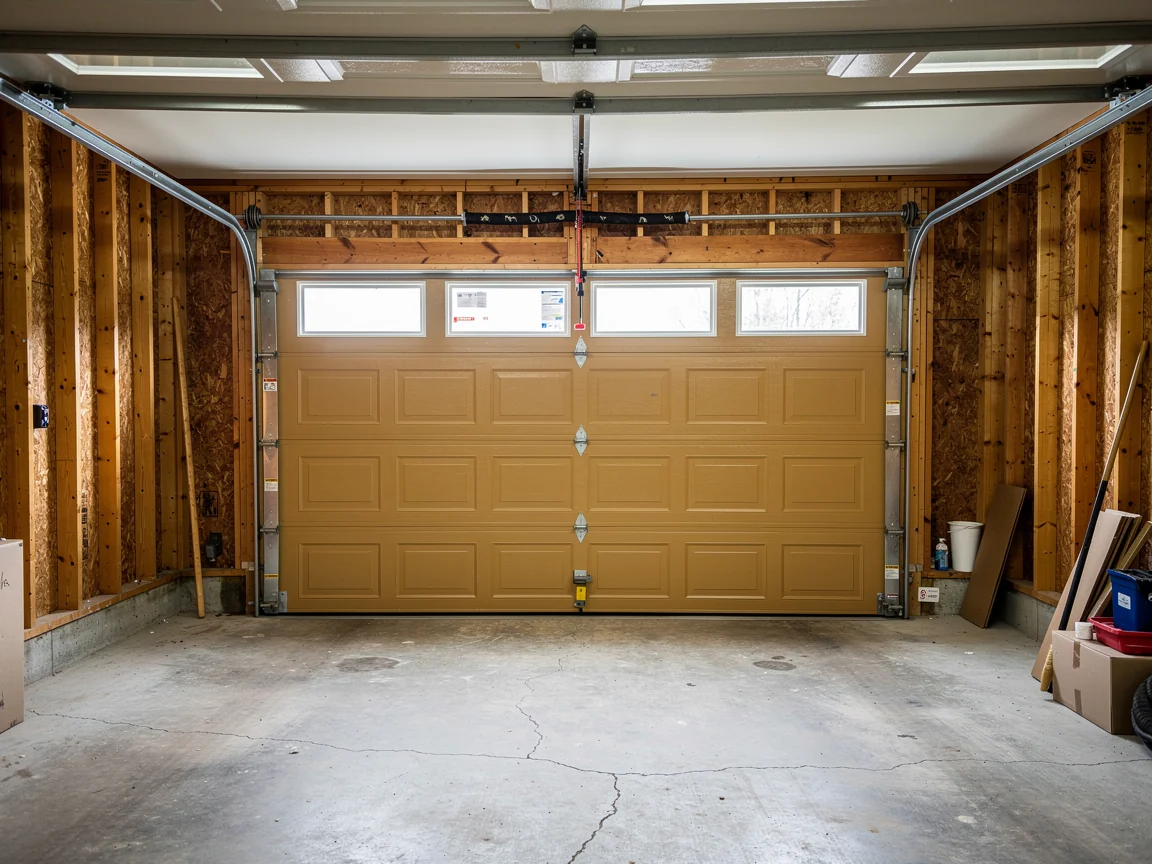
Can You Do This Yourself
Some of it, yes. Resetting photo-eye sensors, tightening loose hinge bolts, lubricating rollers - that's homeowner work, and we'd rather you save the service call.
Spring side is off-limits
What we don't recommend touching is anything on the spring side, especially on a door this age. A 1978-era door is more likely to be running extension springs with a frayed safety cable, or an early torsion setup with a cone that's corroded in place from decades of cold Utah winters.
Load failure on old hardware
Either one lets go under load, and at that tension, on hardware that old, it's not a DIY repair. The other thing worth knowing before you grab a wrench: original doors from this build era weren't engineered to today's wind and snow load expectations, and this area sits in a severe cold climate band.
Sagging panels signal end-of-life
If your door is sagging in the middle panel or the bottom section has pulled away from the track, that's not a simple adjustment - it's a sign the door itself has outlived the fix.
What the Fix Involves
On a house from this era, the job usually starts with figuring out what hardware is actually on the door, because a lot of these haven't been touched since they were installed.
Spring type identification
We check the spring type first - extension or torsion - then look at the drums, the cables, and the track alignment, since cold-season contraction on older steel tends to loosen lag bolts at the jamb over the years.
Wire gauge by actual weight
If it's a spring break, we match the wire gauge and wind to the door's actual weight rather than guessing off a chart, because a door built in 1978 often weighs more than a comparable door built today - no foam insulation means no lightweight core.
Part swap or full replacement
If it's the opener, a lot of these homes still have a chain-drive unit from a decade or two back; depending on what's inside the housing, that's either a part swap or a straight replacement. We'll tell you which, and why, before we start.
What It Costs
We don't post a flat number here because the spread between a sensor reset and a full torsion spring replacement on an older steel door is wide, and nobody wants to be quoted off an average. What we can tell you is that median household income in this area runs around $116,583, which tracks close to the wider Sandy service area - this isn't a budget market and it isn't a luxury one either, and the jobs we price here reflect that middle ground rather than either extreme.
The honest limitation: if your door is original to a 1978 build and the track, springs, and opener all need attention at once, replacement can end up cheaper over five years than patching a door that age piece by piece. We'll say so on site if that's the case - we're not going to sell you three repairs on a door that's due for retirement.
What Is on the Truck
Because Cottonwood Heights sits at the older end of the housing stock we cover - 1978 against a service-area median of 1999 - the truck carries stock sized for both. That means standard torsion springs for newer builds and the longer-wind extension springs and older-style cable drums that show up on a 1970s door. We carry rollers in both nylon and steel, since houses from this era went in before nylon rollers were standard.
What we don't carry are parts for proprietary opener logic boards from discontinued brands - if your opener is old enough that the manufacturer no longer makes the board, we'll tell you straight that a full unit swap is faster and more reliable than hunting a part. For everything else on a standard steel sectional, the truck's stocked to finish the job on the first visit.
Questions
Common questions
Why does the age of my garage door matter so much for the repair?
Because a door built around 1978, which is typical for this area, is heavier, uninsulated, and often still running its original spring hardware - extension springs or early torsion cones. That hardware behaves differently under tension than what's sold today, so matching it correctly matters more than it would on a newer door.
Do you have a branch in Cottonwood Heights?
No. We run out of Sandy, about 3 miles away, and cover Cottonwood Heights from there. It doesn't add meaningful time to most calls given the short distance.
Is it ever cheaper to replace than repair an old door?
Sometimes, yes. If the springs, track, and opener on a 1978-era door all need work at the same time, replacing the door can cost less over a few years than repeated patch repairs. We'll tell you on site if that's where your door stands - we won't sell three fixes on a door that's done.
Does the cold weather here affect garage door springs?
This area sits in a severe cold climate band, and cold steel contracts - springs lose a little tension, lag bolts at the jamb work loose, and old cable can get brittle. It's part of why older doors in this area tend to show spring and track problems earlier than the same door would in a milder climate.
Explore more
More Services in Cottonwood Heights
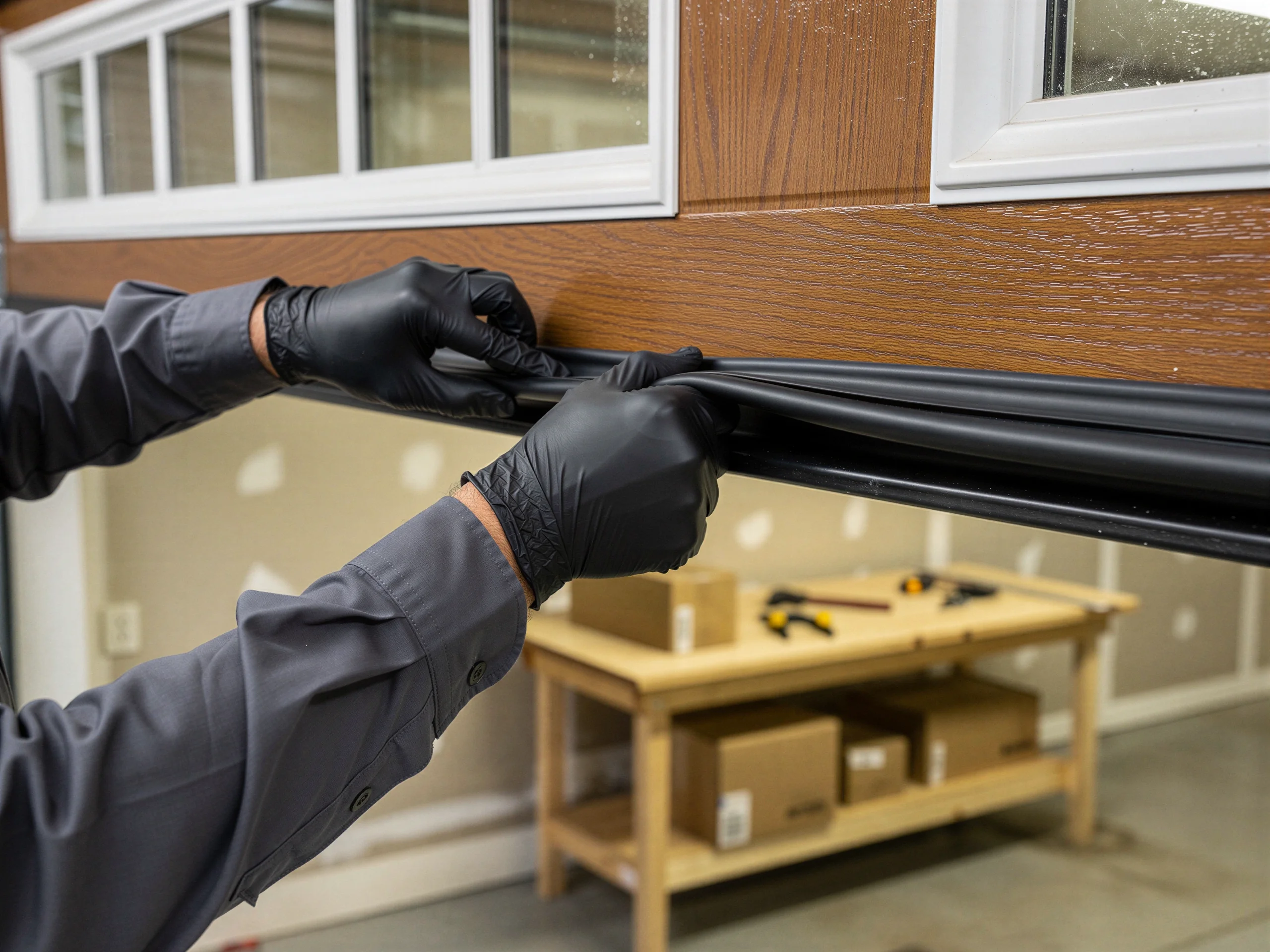
Garage Door Service
Most Cottonwood Heights garage doors date to 1978 - older steel and extension-spring hardware than the rest of the Sandy service area. Learn more →
Maintenance
Cottonwood Heights homes mostly date to 1978, a decade older than the Sandy-area average. Learn more →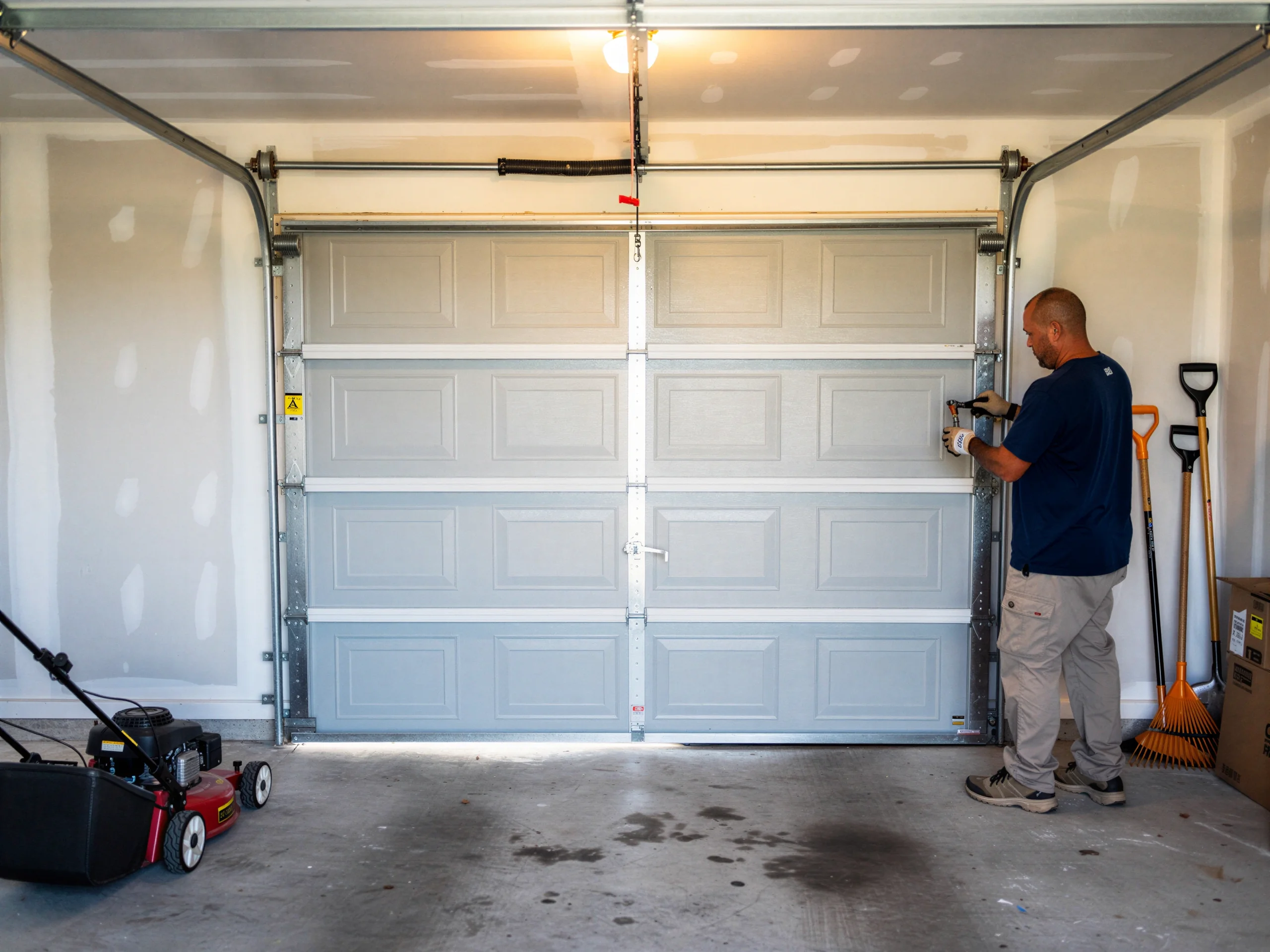
New Door Installation
New garage door installation for Cottonwood Heights homes built around 1978, covered from Sandy, 3 miles away. Learn more →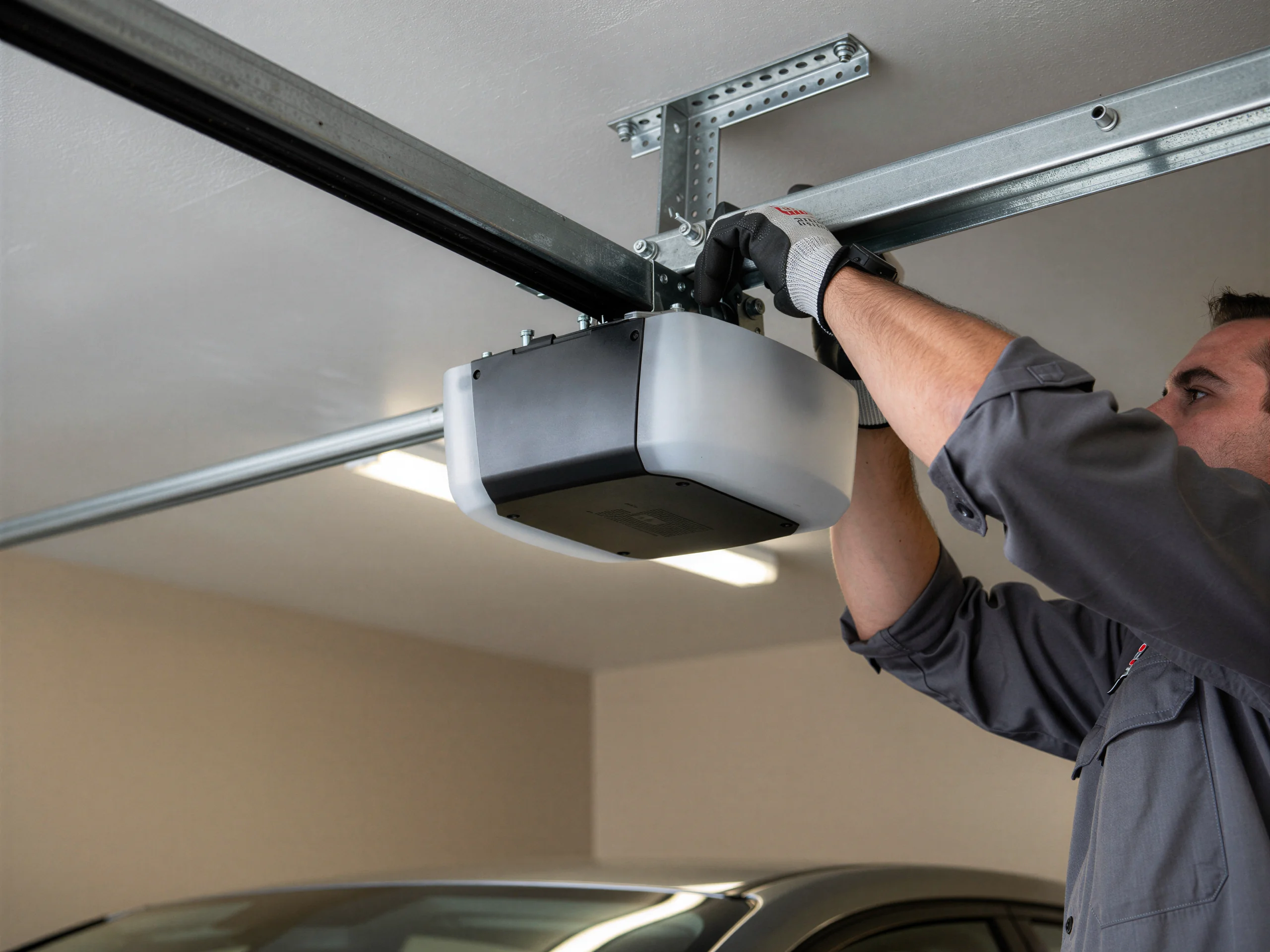
Opener Installation
Cottonwood Heights homes run older than the Sandy-area average, and that changes which opener makes sense. Learn more →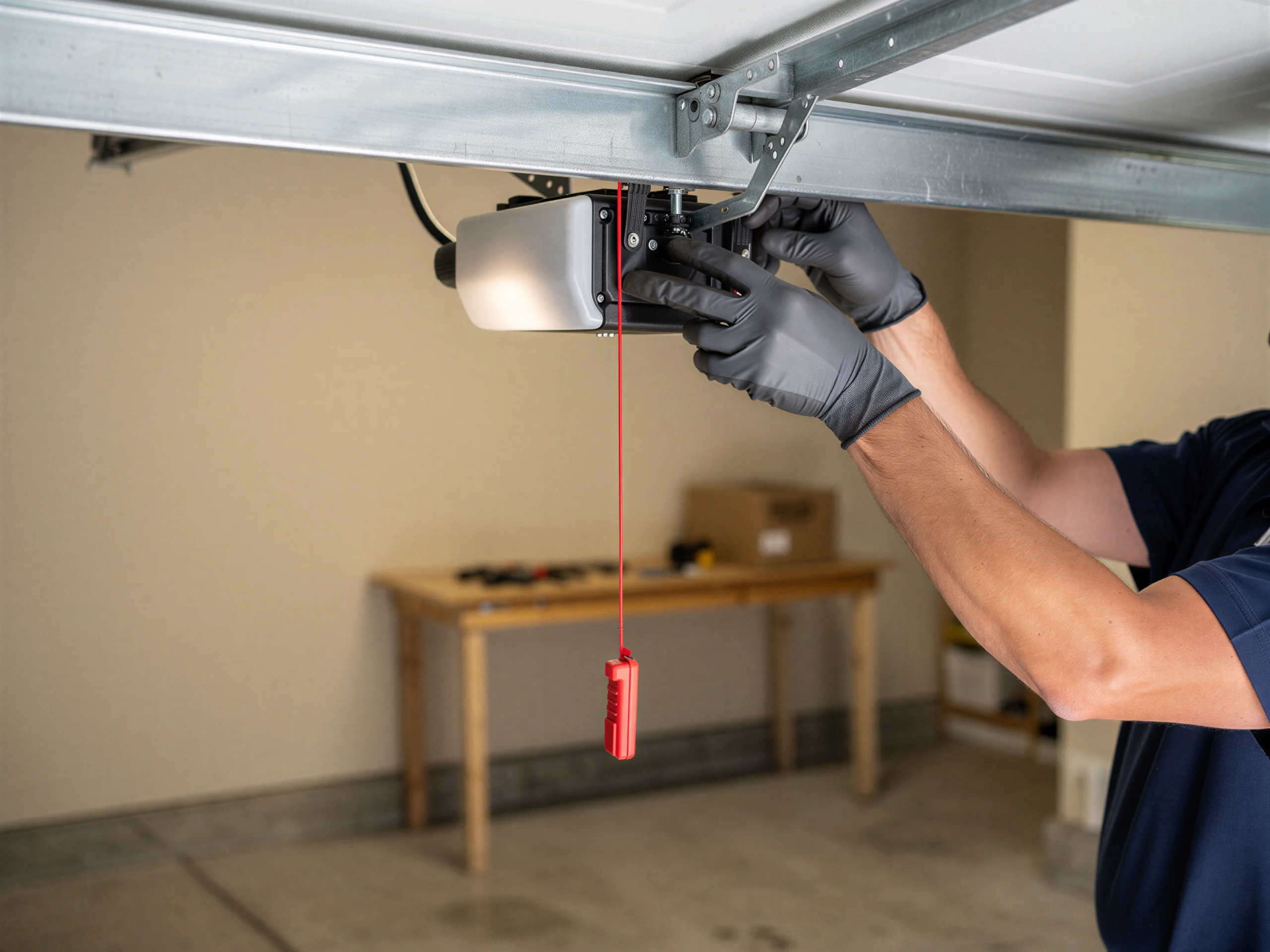
Opener Repair
Opener repair for Cottonwood Heights' 1978-era homes, covered from our Sandy shop 3 miles away. Learn more →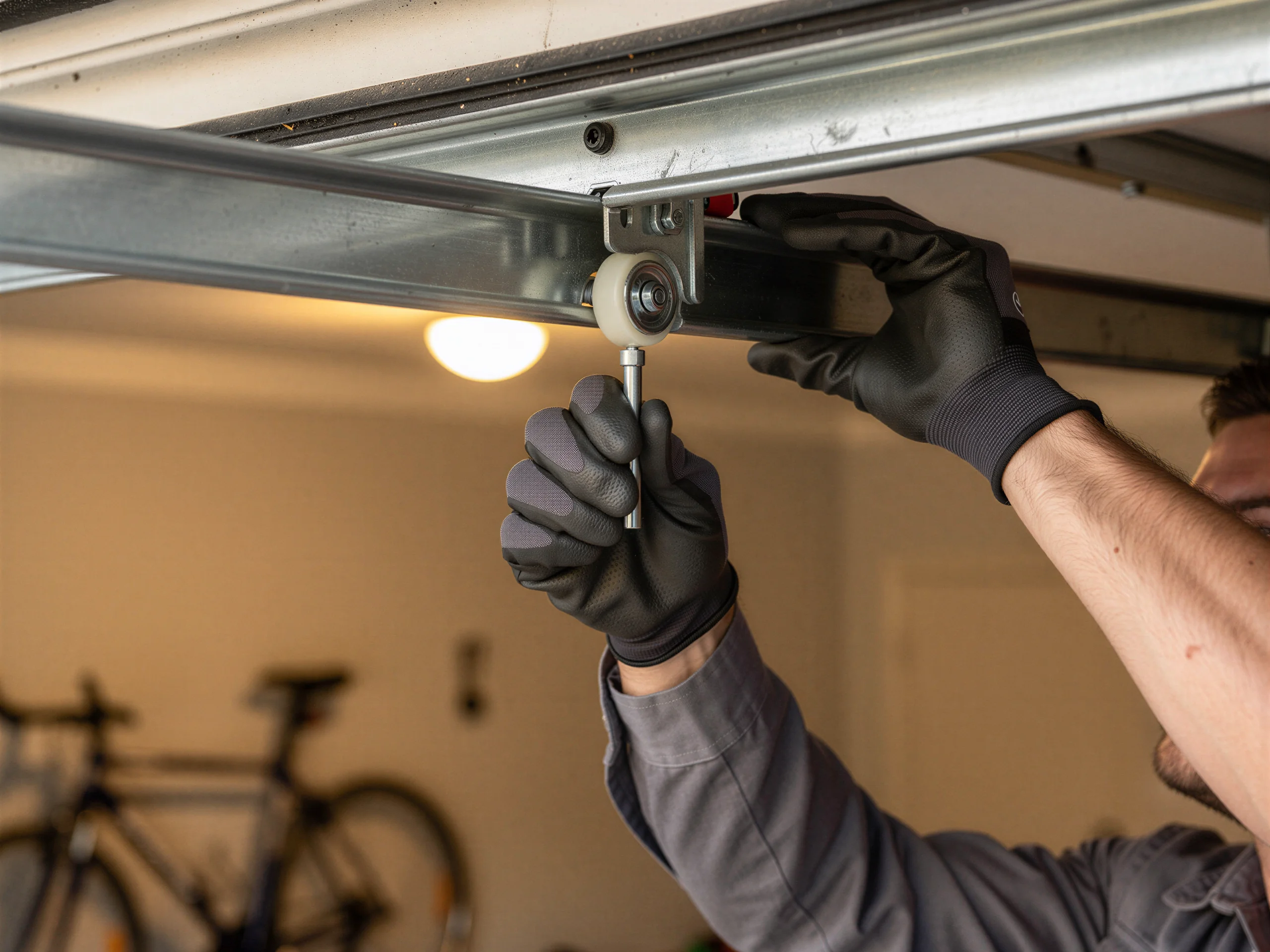
Roller Replacement
Cottonwood Heights homes built around 1978 run steel rollers on worn track that bind up in cold weather. Learn more →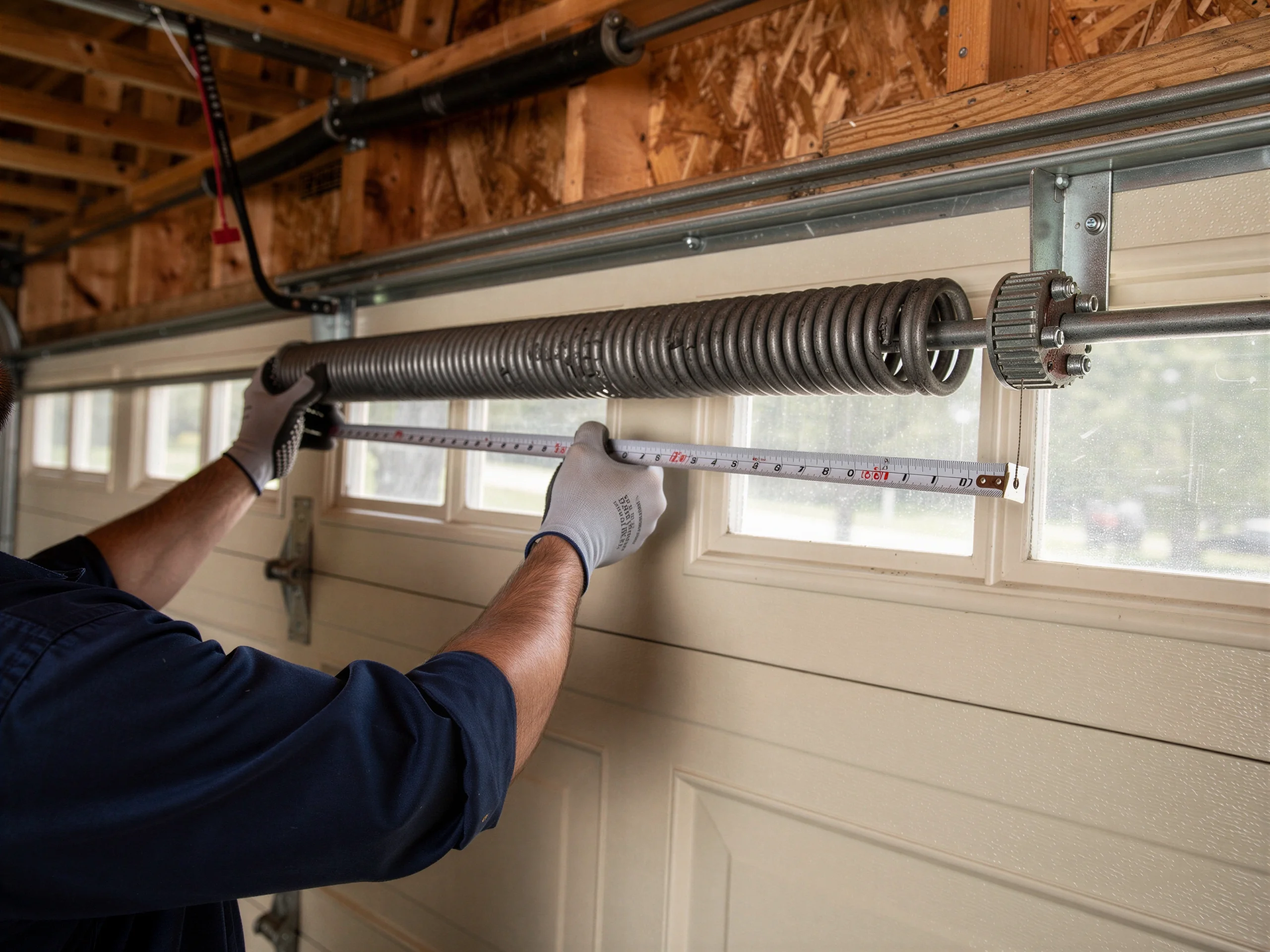
Spring Repair
Most Cottonwood Heights homes date to the late 1970s, which means original torsion springs nearing the end of their life. Learn more →Ready when you are
Garage door trouble in Cottonwood Heights?
Sandy Garage Door Pros repairs and installs garage doors, springs and openers in Sandy, UT and the surrounding area.