
Cottonwood Heights, Sandy
Garage Door Repair in Cottonwood Heights, UT
Most Cottonwood Heights garage doors date to 1978 - older steel and extension-spring hardware than the rest of the Sandy service area. We drive the three miles and fix what's actually on your door.
How Long It Takes
The median house in Cottonwood Heights went up around 1978, which is a couple decades older than the service area's overall median of 1999. That matters for how long a job takes, because 1978 construction usually means an original steel door on either an early torsion setup or a straight extension-spring system, not the newer torsion hardware builders standardized on later.
Extension-to-torsion conversion time
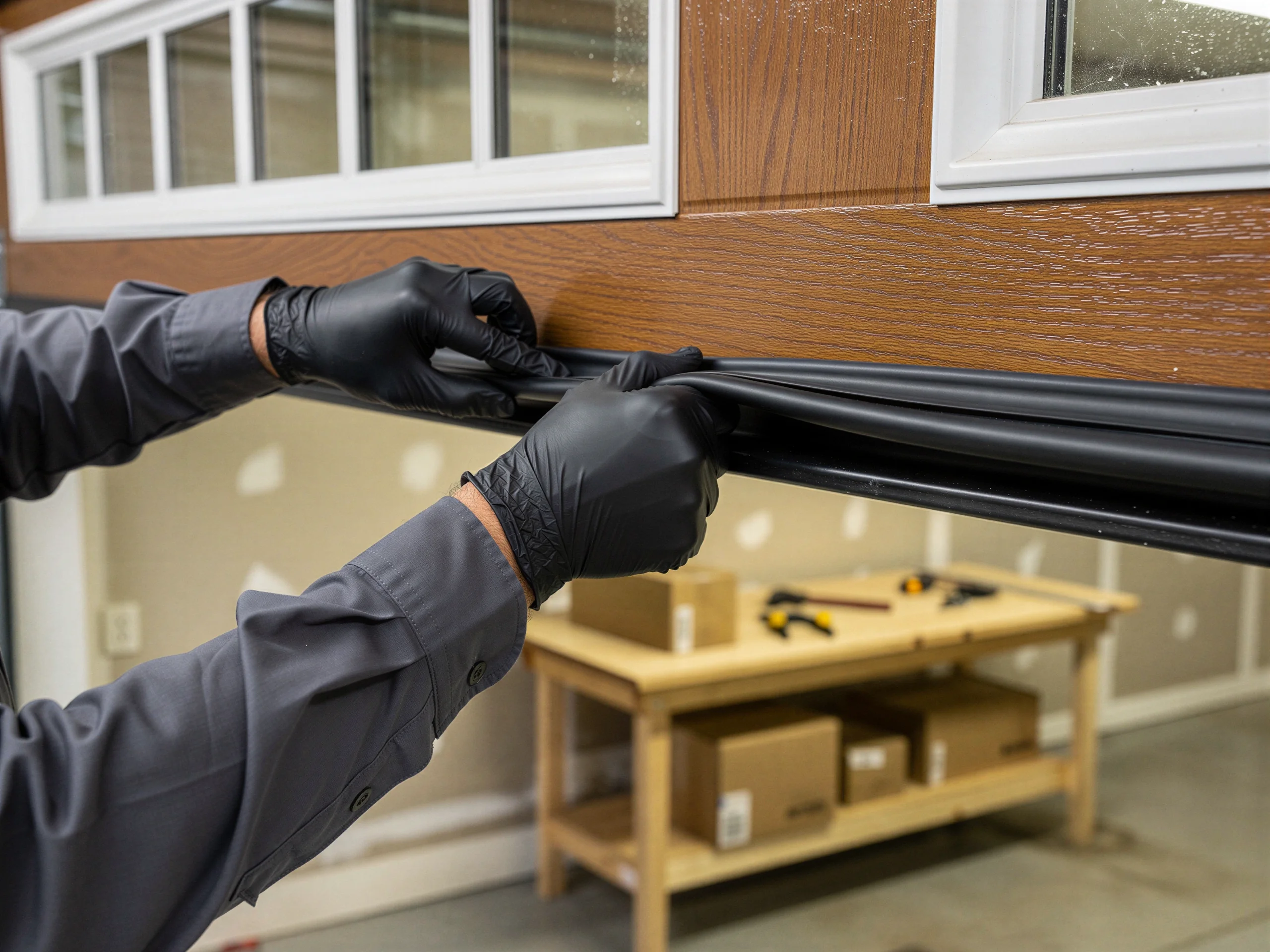
Pulling an extension spring assembly and converting it to torsion takes longer than swapping a like-for-like torsion coil, mostly because of the extra bracket and cable work. A straightforward torsion spring swap on a door that's already set up for it is usually the quicker visit.
Running new safety wire
An opener replacement runs longer if the original door has no safety sensor wiring, which is common on hardware this old - we have to run new wire, not just bolt on a new head unit.
Time quoted after inspection
We quote the time once we see what's actually on the door, not before. We drive the three miles from our shop in Sandy to get to Cottonwood Heights, which is closer than the trip out to Draper or Holladay.
Can You Do This Yourself
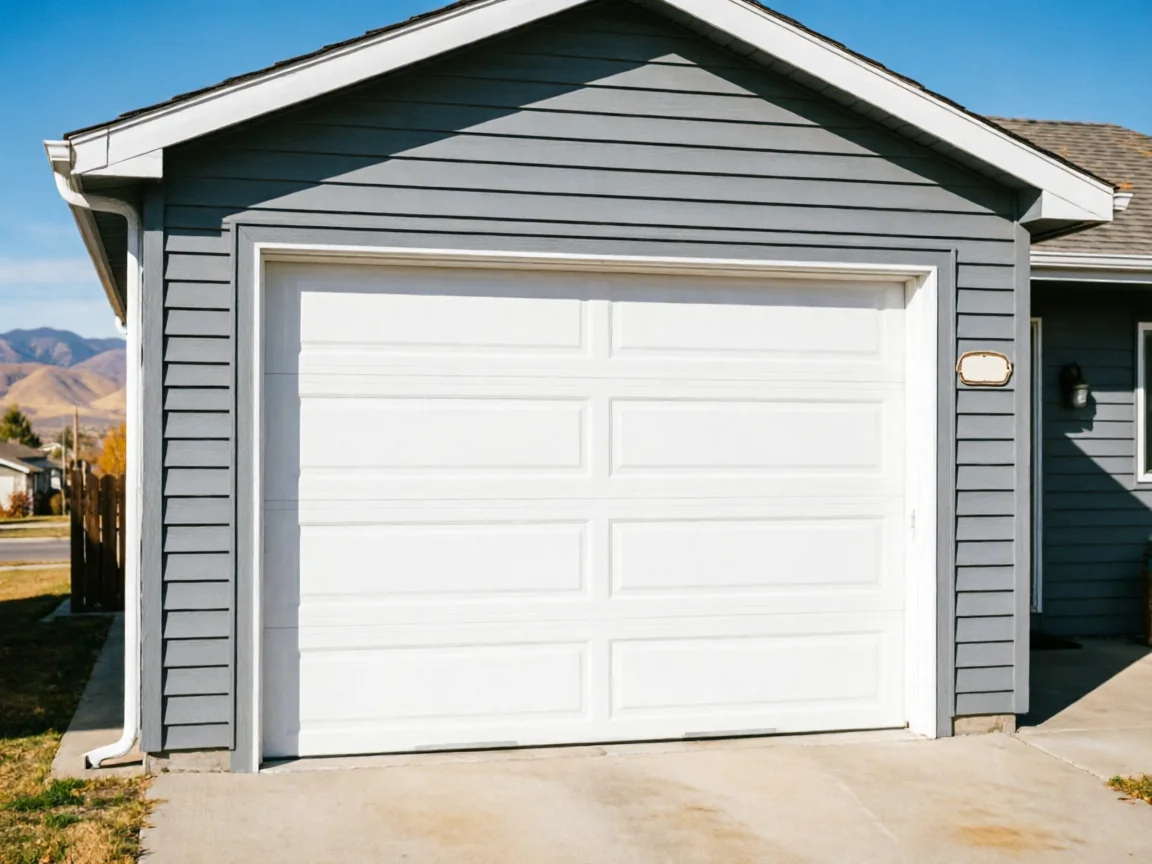
A loaded torsion spring can put someone in the hospital, and that risk doesn't change because the door is old. On a 1978-era door with an extension spring system instead of torsion, the danger is different but not smaller - those springs stretch along the horizontal track and can whip loose under tension if the cable or pulley has any wear, which after 45-plus winters in a severe-cold climate band is common. Lubricating hinges, tightening loose track bolts, and testing the auto-reverse on the opener's safety sensors are all fine for an owner to handle. Replacing a spring, re-tensioning cables, or realigning a track that's pulled away from the jamb is not a weekend project, especially on hardware this old where the original parts may not match anything sold today. If your door still has the factory extension springs from 1978, our honest advice is to have someone look at the whole system before you touch any of it - the fix might be smaller than you think, or it might mean the spring isn't the only worn part.
What the Fix Involves
On a house built in the late 1970s, the fix usually starts with figuring out whether the door is still running on its original hardware or whether a past owner already converted it to torsion.
Torsion sizing for heavy steel
If it's original extension-spring, the job is to swap in torsion hardware sized to the door's weight, which on these older steel doors is often heavier than today's insulated panels because the steel gauge and construction differ. Track alignment is a common second issue - four and a half decades of seasonal ground movement in a cold climate shifts the jamb enough that rollers start binding.
Bottom seam rust check
We also check the panels themselves; a non-insulated 1978 steel door that's taken decades of freeze-thaw cycling often has rust starting at the bottom panel seam, which is worth flagging even if it's not what brought us out.
Only failing parts replaced
We don't replace parts that aren't failing. If the opener motor is original, we'll tell you straight whether a new drive gear fixes it or whether the unit's end of life - we don't pad a job with work the door doesn't need.
What It Costs
We don't post a flat price list here because what a Cottonwood Heights door needs depends heavily on which era of hardware is actually on it.
Conversion versus swap cost
A torsion spring swap on a door already set up for torsion costs less than converting an original extension-spring system, because the conversion adds brackets, a center bearing plate, and new cable runs.
Affordability without pressure
A household income of $116,583 locally means replacement with insulated panels is within reach for most owners here when a door's steel has gone past the point of a cosmetic fix, but we don't push replacement on a door that's still structurally sound just because it's old.
Honest repair threshold
Our rule is simple: if a repair gets you another decade out of hardware that's already outlasted its expected life, we say so. If the frame's rusted through or the track's bent beyond straightening, we say that too. We give a number after we've looked at the door, not before - anything else is a guess dressed up as a quote.
What Is on the Truck
Because so much of Cottonwood Heights is still running late-1970s hardware, we carry torsion springs sized for the heavier, non-insulated steel doors common to that era, alongside the lighter coils that fit newer insulated panels elsewhere in the valley. We stock extension-spring-to-torsion conversion brackets and center bearing plates for the houses that haven't been upgraded yet, plus standard rollers, hinges, and cable in the sizes that fit both eras. Weatherstrip and bottom seal get swapped often on doors this age, so we keep several widths on hand. One real limit: if a door needs a specific discontinued panel to match an existing 1978 steel door exactly, that part isn't something we carry and may need a special order - we'll tell you that on the spot rather than promise a same-visit fix we can't deliver. Opener parts we stock cover safety-sensor retrofit kits, since original openers from this era often predate the sensor wiring that current code requires.
Questions
Common questions
Why are garage doors in Cottonwood Heights different from newer parts of the valley?
Most houses here were built around 1978, a couple decades before the service area's overall median build year of 1999. That means more original steel doors on extension-spring or early torsion hardware, rather than the lighter insulated torsion setups common on houses built later.
Do you have a shop in Cottonwood Heights?
No. We work out of Sandy and drive the three miles into Cottonwood Heights for jobs. We don't operate a branch or depot there, just the one shop.
Is it worth replacing a 1978 door instead of repairing it?
Depends on the door. If the steel panels are sound and the hardware just needs a spring or roller swap, repair makes more sense. If the bottom panel has rusted through or the track is bent, replacement usually costs less over time than chasing repairs on a door that's failing structurally.
Does the cold affect older springs more?
Yes. Springs on a door original to 1978 have gone through over four decades of freeze-thaw cycling in a severe-cold climate band, which fatigues steel coils faster than on hardware installed in the last 10-15 years. That's part of why spring failure shows up more often on the oldest stock in the area.
Explore more
More Services in Cottonwood Heights
Garage Door Repair
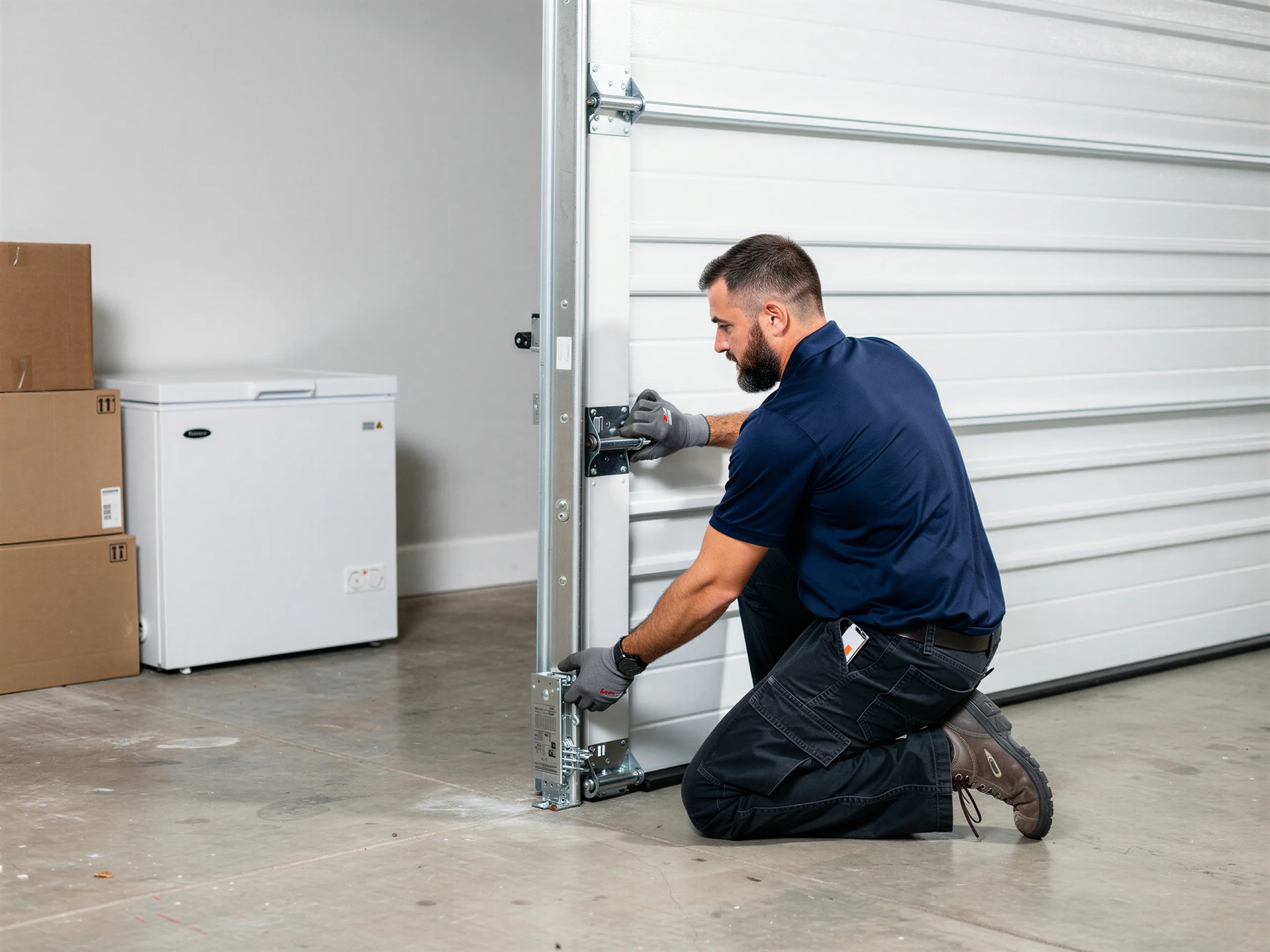
Garage door repair for Cottonwood Heights homes, most built around 1978 with original steel doors and aging spring hardware. Learn more →
Maintenance
Cottonwood Heights homes mostly date to 1978, a decade older than the Sandy-area average. Learn more →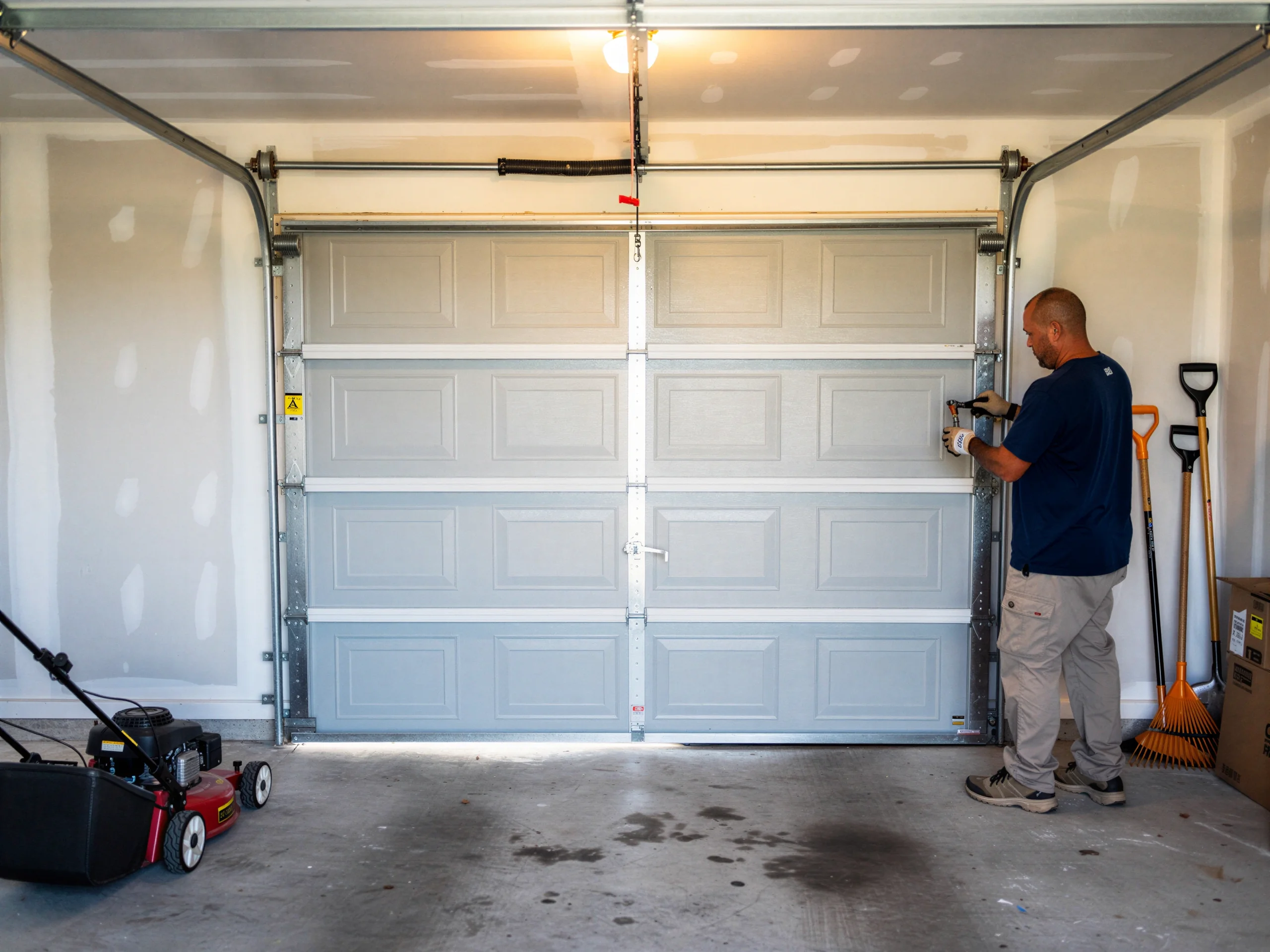
New Door Installation
New garage door installation for Cottonwood Heights homes built around 1978, covered from Sandy, 3 miles away. Learn more →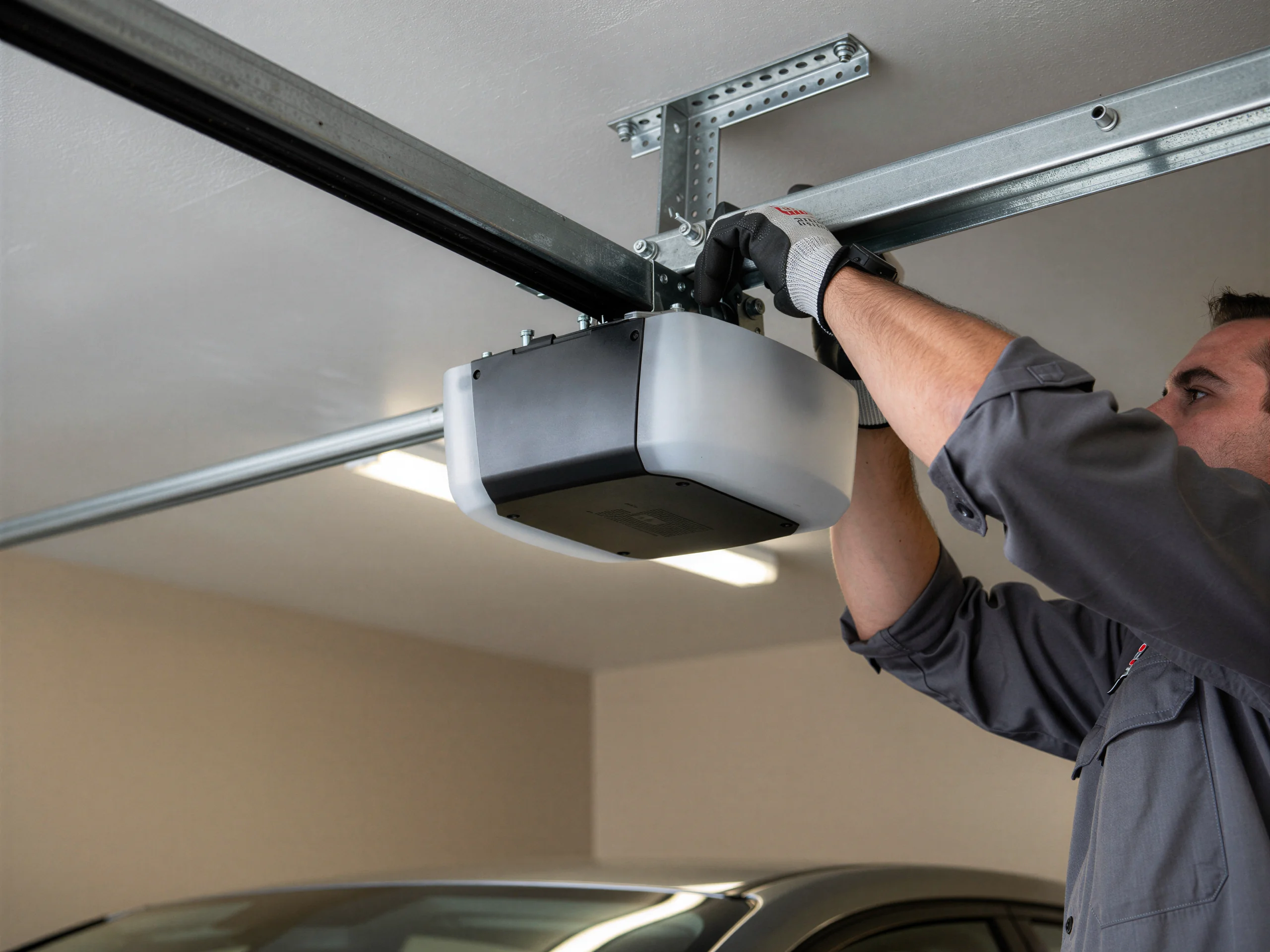
Opener Installation
Cottonwood Heights homes run older than the Sandy-area average, and that changes which opener makes sense. Learn more →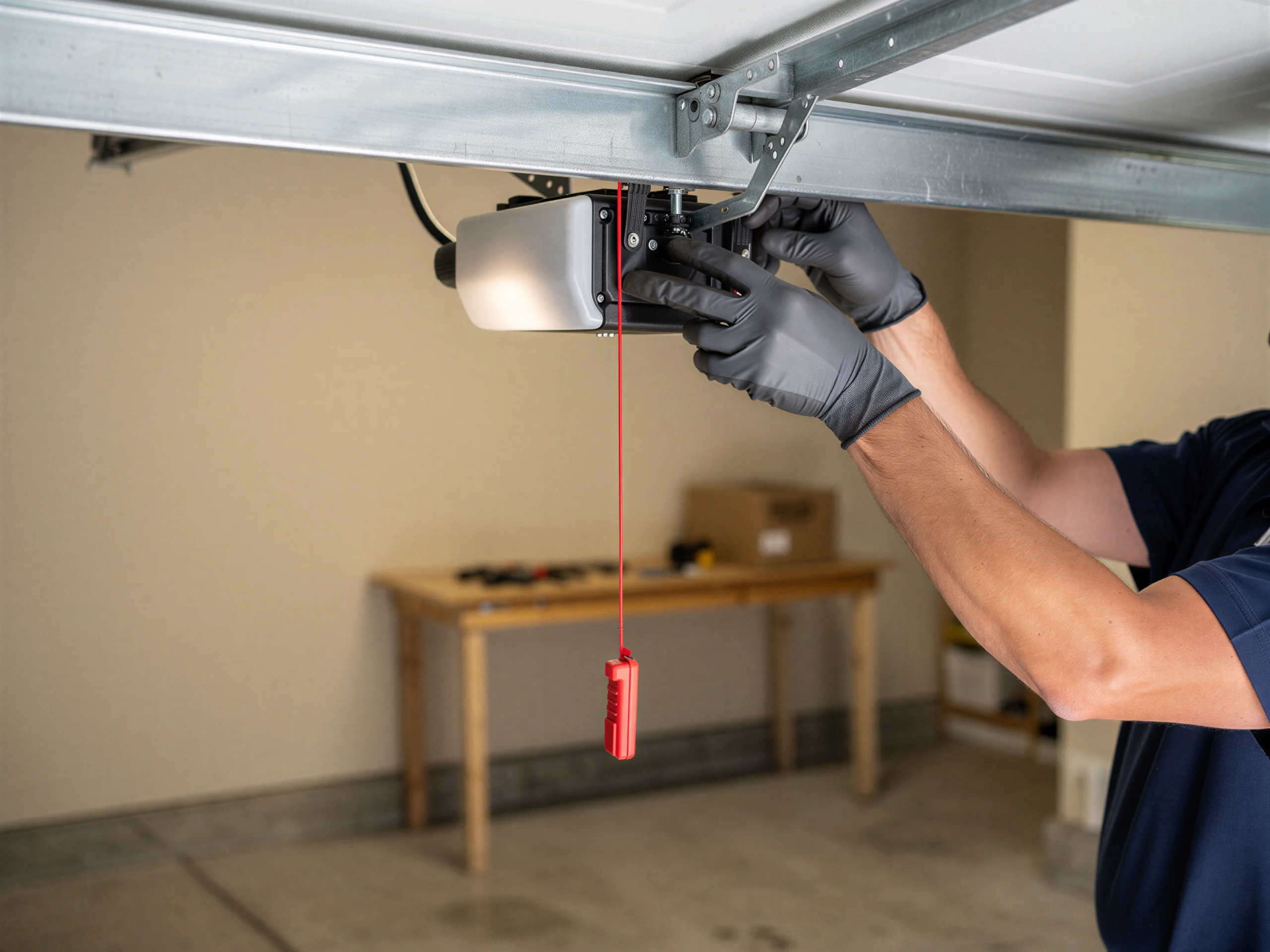
Opener Repair
Opener repair for Cottonwood Heights' 1978-era homes, covered from our Sandy shop 3 miles away. Learn more →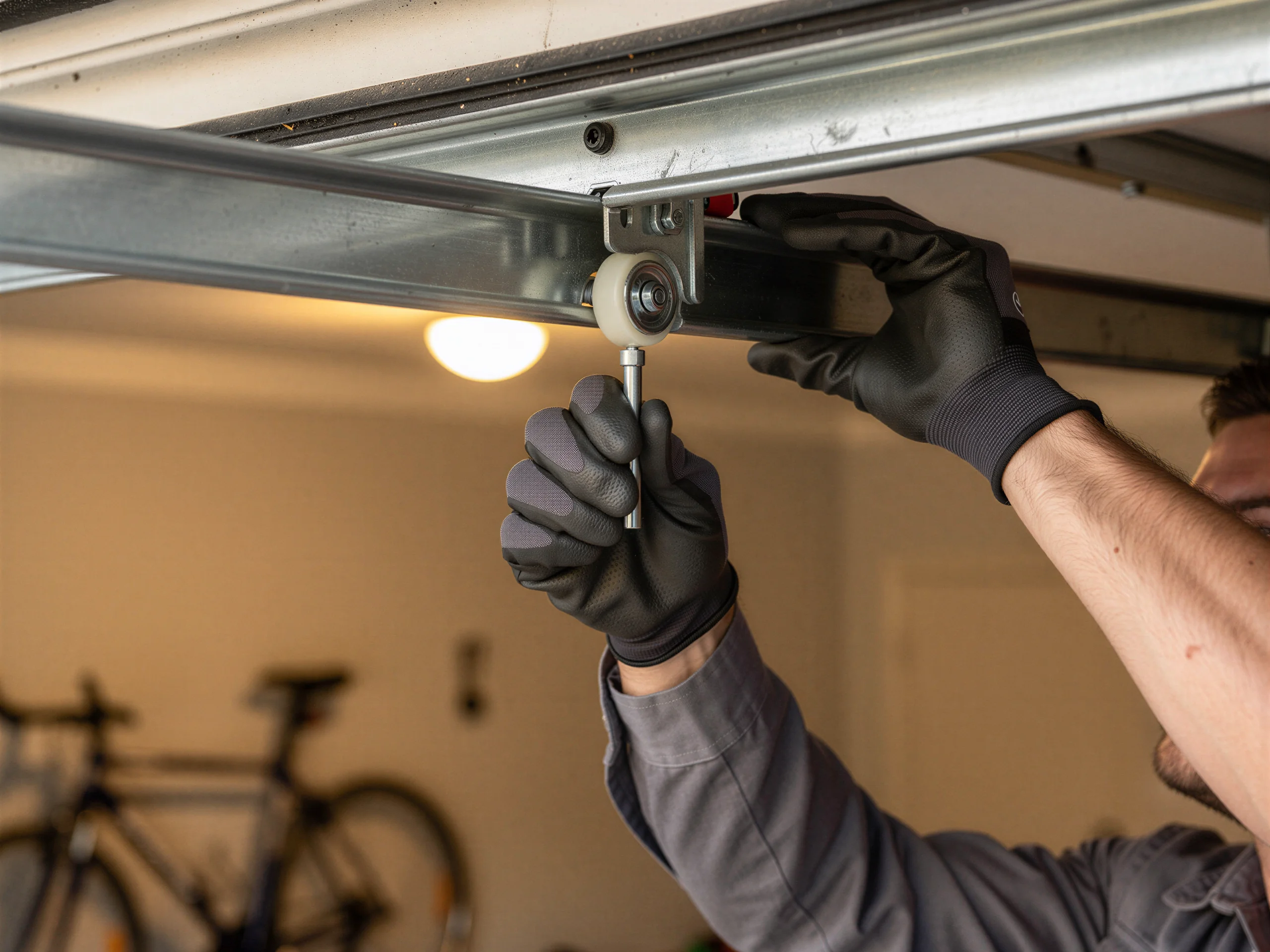
Roller Replacement
Cottonwood Heights homes built around 1978 run steel rollers on worn track that bind up in cold weather. Learn more →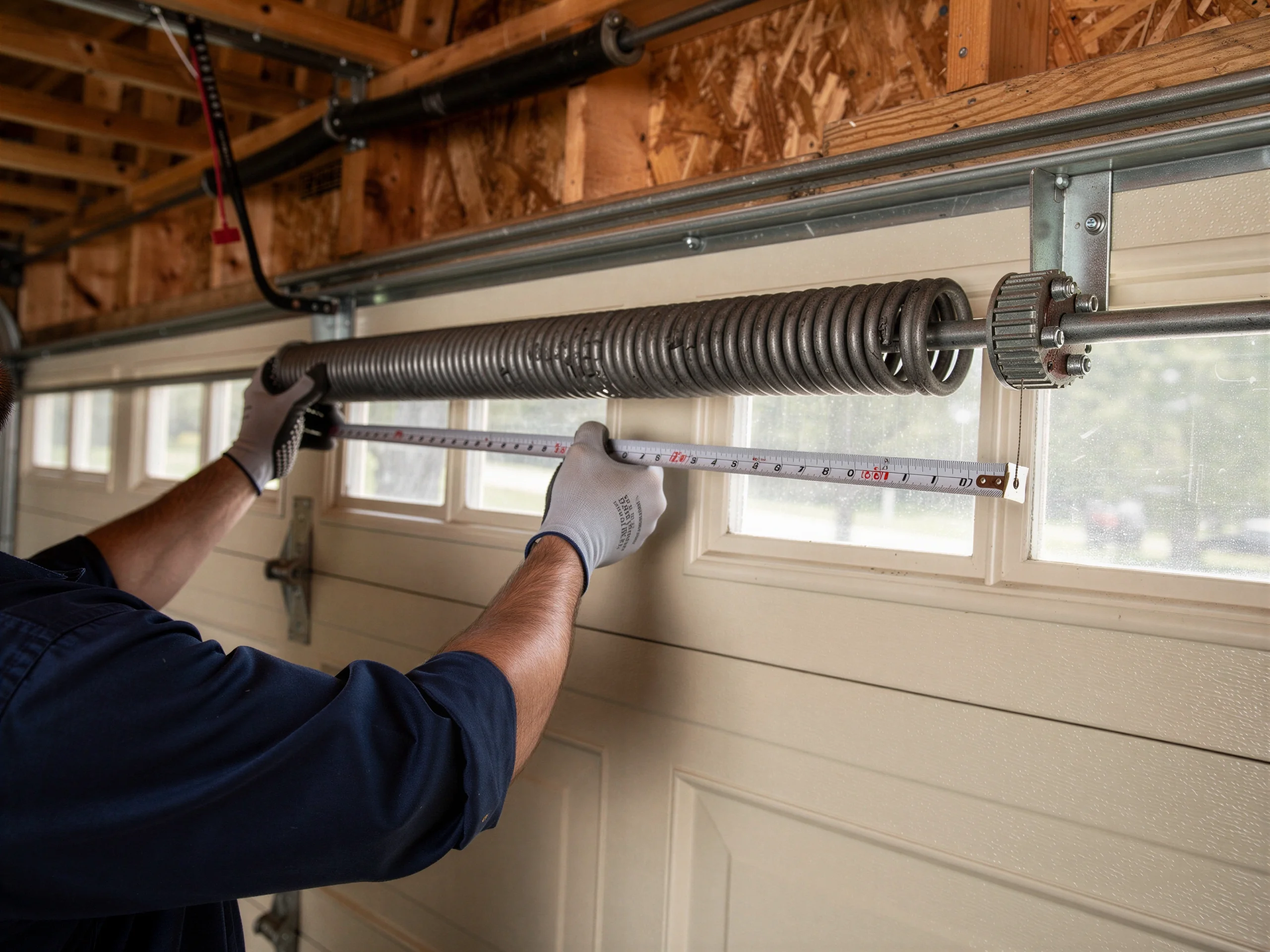
Spring Repair
Most Cottonwood Heights homes date to the late 1970s, which means original torsion springs nearing the end of their life. Learn more →Ready when you are
Need garage door service in Cottonwood Heights?
Sandy Garage Door Pros repairs and installs garage doors, springs and openers in Sandy, UT and the surrounding area.