
Cottonwood Heights, Sandy
Garage Door Opener Repair for Cottonwood Heights
Opener repair for Cottonwood Heights' 1978-era homes, covered from our Sandy shop 3 miles away. Older chain-drive units, cold-climate wear, and what we carry on the truck.
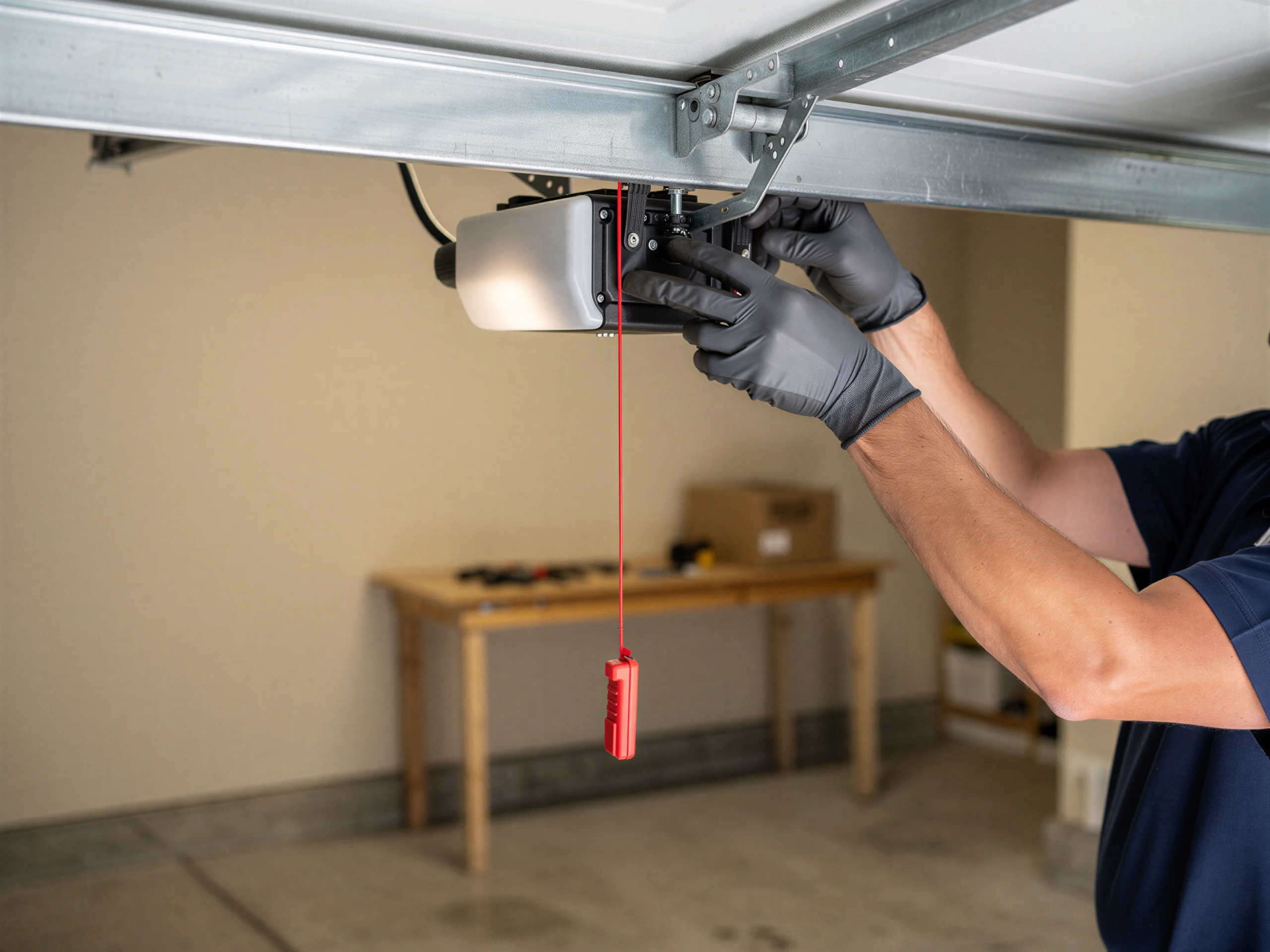
How Long It Takes
Most opener calls break into two parts: finding the fault and fixing it. On a house built around 1978 - the median age for homes in Cottonwood Heights - the diagnostic step usually takes longer than it would on a newer build, because the wiring and limit-switch setup on an original chain-drive unit isn't something a tech sees every week anymore.
Fault-based repair pace
Once we know whether it's a dead capacitor, a stripped drive gear, a logic board gone bad, or sensors knocked out of alignment, the repair itself is usually quick.
Bracket work slows swaps
Full swaps to a new opener take longer, mostly because of header bracket work that older installs didn't anticipate. We travel the roughly 3 miles in from Sandy, so drive time isn't the variable - the opener's age and what's actually inside the housing is.
No written same-day promise
We don't promise a same-day slot here in writing, since that depends on the day's schedule, but the job itself, once a tech is on site, moves at a predictable pace for the fault types we see most in this part of the valley.
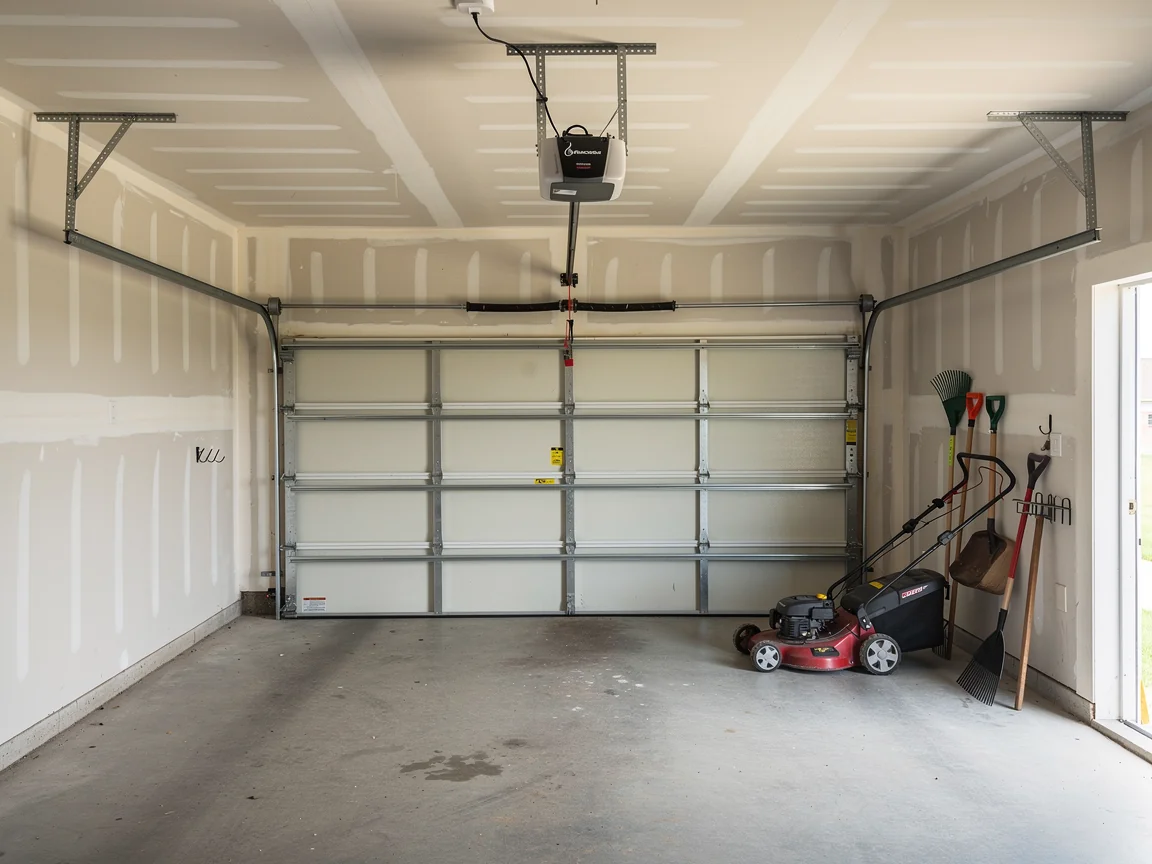
Can You Do This Yourself
Some of it, yes. Reprogramming a remote, cleaning photo-eye sensor lenses, checking that the safety sensors aren't knocked out of line - that's homeowner-level work on any opener, old or new.
Mechanical limit switches
Where it gets harder in Cottonwood Heights specifically is the number of original 1978-era units still running on mechanical limit switches instead of the digital travel limits on newer models.
Limit adjustment is risky
Adjusting those switches without the right reference points can leave a door that reverses unpredictably or slams the floor, and that's not a safe thing to guess at. If your opener is original to a house from that era, treat the motor housing, the logic board, and the limit switch adjustment as call-a-tech territory.
Teardown not for novices
Capacitor and gear failures are also common on units this old, and swapping those requires the unit to be fully de-powered and the drive assembly pulled apart - doable, but not a first repair to learn on your own garage. If in doubt, don't force the manual release and keep testing it by hand; that usually just wears the opener's drive train further.
What the Fix Involves
On the older chain-drive openers common to Cottonwood Heights' 1978-median housing stock, the usual suspects are a worn drive gear, a failed capacitor that won't give the motor enough starting torque, or a logic board that's taken one too many power surges.
Motor current draw test
We test the motor's draw first, since cold-stressed gear grease (this area sits in a severe cold climate band) makes a struggling motor pull more current than it should, which is often the real story behind a door that opens slow or stalls halfway.
Photo-eye bracket realignment
Sensor alignment is a frequent fix too - vibration and years of settling can knock the photo-eye brackets out of true, especially on a door this old where the track itself has shifted slightly.
Fixing versus swapping talk
If the fault traces back to the circuit board or a motor that's seized, we talk through repair versus replacing the opener outright - past a certain point, chasing parts on a 40-plus-year-old unit costs more than a new opener with a modern board and sensors built in.
What It Costs
We don't post a flat number here because the job varies too much between a sensor realignment and a full logic board swap - and on a house with an original 1978 opener, there's a real chance the fix is a new unit rather than a patched-up old one.
Diagnosis then quote
What we can tell you is how we price it: diagnosis on site, then a clear quote before any parts get replaced, so you're deciding with real numbers instead of a phone estimate.
Weighing repair costs locally
With median household income in Cottonwood Heights at $116,583, close to the $117,514 median across the wider area we cover, most owners here are weighing a repair against a new opener rather than stretching for either - and we'll say plainly when the repair isn't worth it compared to a new unit with a warranty on the parts.
Discontinued boards, full swaps
We don't carry every discontinued board for openers this old, which is the honest limitation: some very old models need a full swap simply because the part doesn't exist anymore, not because we didn't try.
What Is on the Truck
Because Cottonwood Heights' housing runs older than the broader service area's 1999 median, the truck stock for this run leans toward parts that fit 1970s and '80s chain-drive units as much as current belt-drive models: replacement drive gears, capacitors rated for older motor housings, photo-eye sensor kits, and logic boards for the handful of opener brands that dominated installs from that era. We also carry cold-weather lubricant for gear boxes, since the severe winter swings in this climate band thicken old grease and are a common reason a tired motor finally gives out. For newer openers - the ones installed as replacements over the years - we carry current circuit boards and belt-drive gear kits too, since a 1978-built house doesn't mean a 1978 opener; plenty have been swapped since. What we can't always promise same-visit is a board for a long-discontinued brand - those sometimes mean a short wait on a special order rather than a same-day fix.
Questions
Common questions
Why does my opener feel weaker in winter?
Cold-stressed grease inside the gear box and motor housing makes the motor work harder to move the same door, which shows up as slower travel or stalling partway. This area sits in a severe cold-climate band, and it's one of the more common reasons older openers draw more current than they're rated for during the coldest stretches.
Is it worth repairing a 1978-era opener or should I replace it?
Depends on what's failed. A sensor or capacitor swap is worth doing on almost any opener. A seized motor or fried logic board on a unit that old often costs close to a new opener to fix, and a new unit comes with modern safety sensors and a warranty - we'll tell you straight which side of that line your repair falls on.
Do you carry parts for older opener brands?
We stock gears, capacitors, sensor kits, and boards that fit most chain-drive units from the 1970s-80s era common in Cottonwood Heights, plus current belt-drive parts. A few long-discontinued boards aren't something we keep on the truck and may need a short special order.
How far is Cottonwood Heights from your shop?
About 3 miles from our Sandy location. We work this area as part of our regular route, not as a separate branch - there's no depot here, just a short drive from Sandy.
Explore more
More Services in Cottonwood Heights
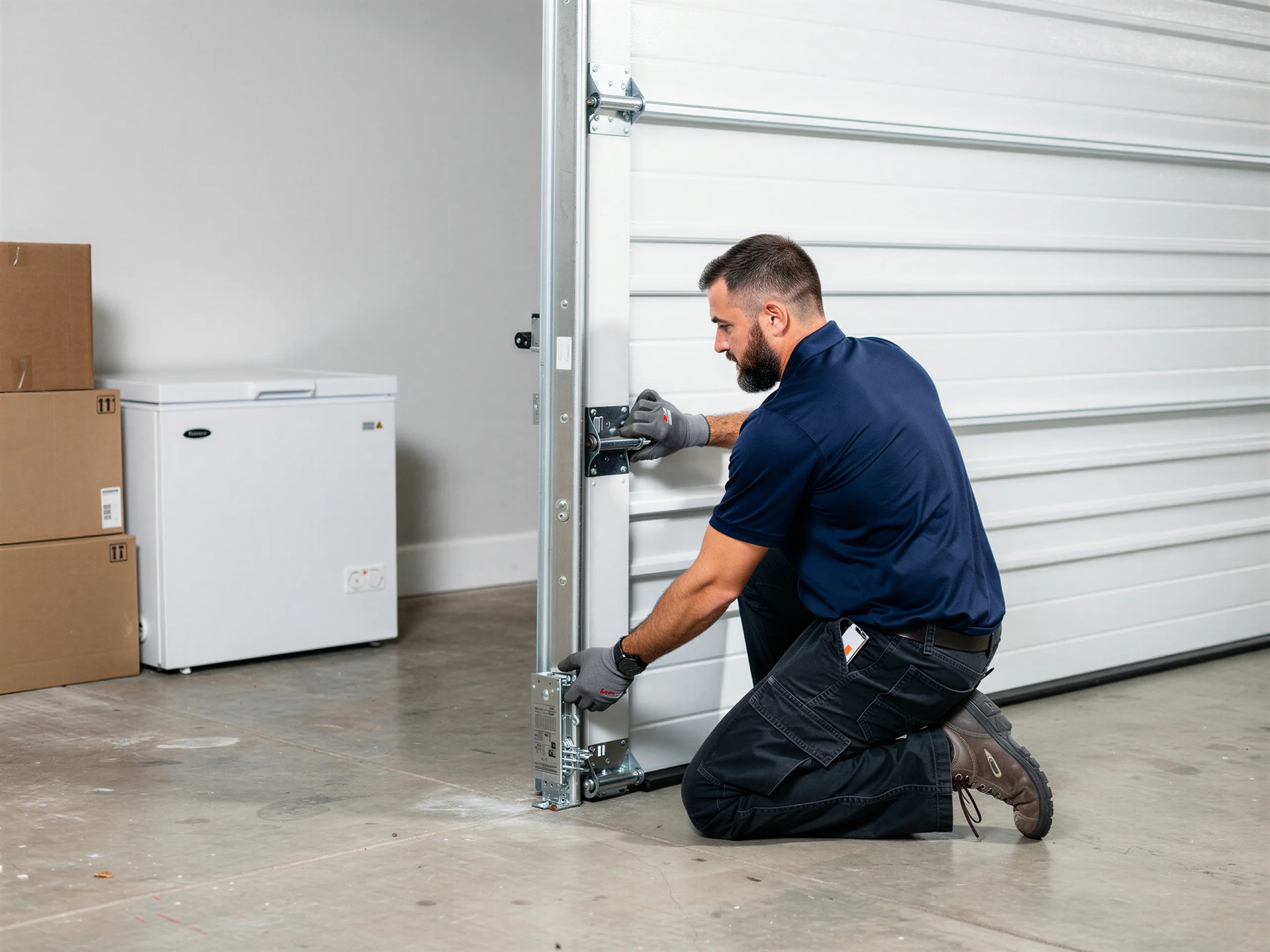
Garage Door Repair
Garage door repair for Cottonwood Heights homes, most built around 1978 with original steel doors and aging spring hardware. Learn more →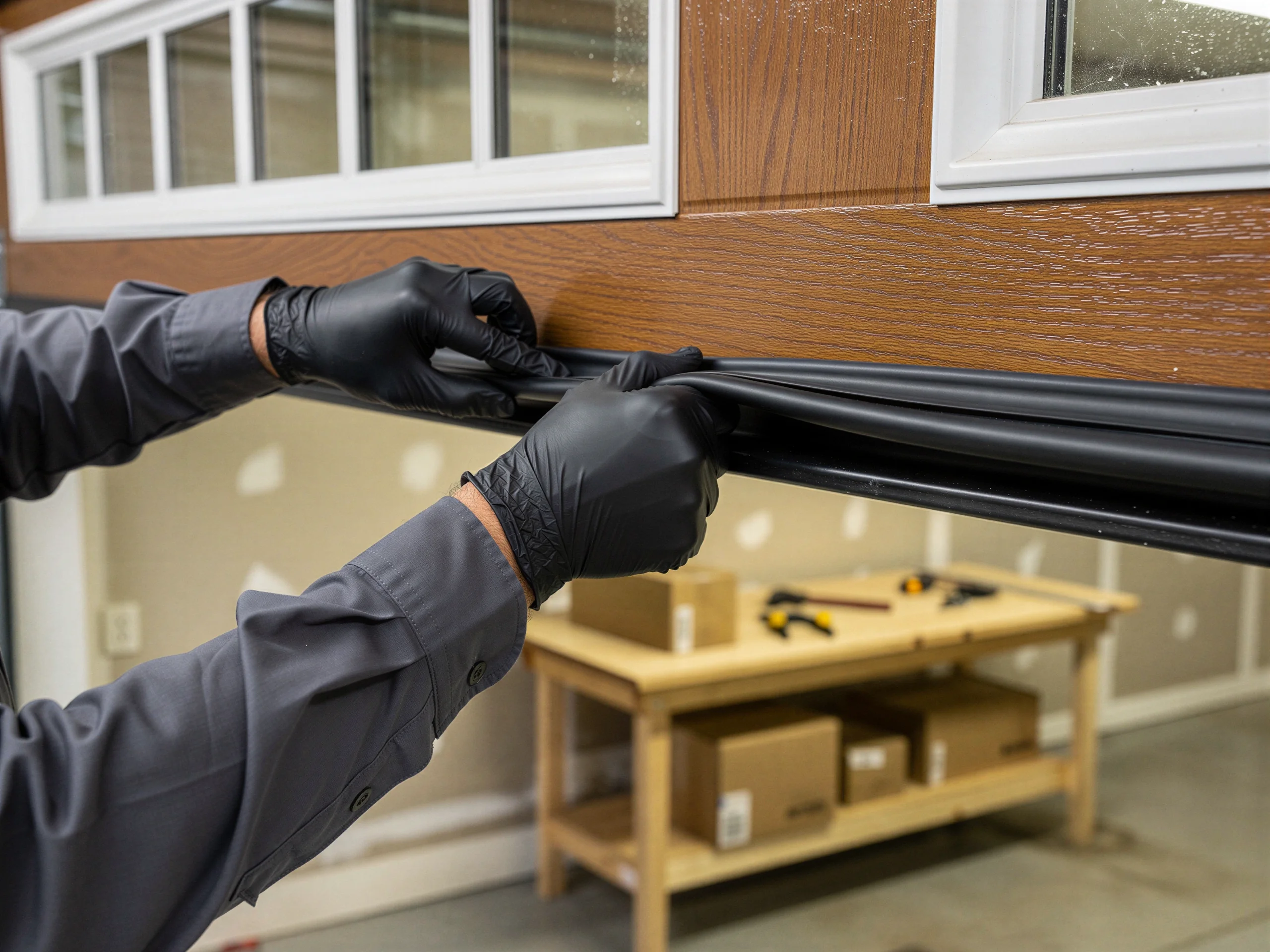
Garage Door Service
Most Cottonwood Heights garage doors date to 1978 - older steel and extension-spring hardware than the rest of the Sandy service area. Learn more →
Maintenance
Cottonwood Heights homes mostly date to 1978, a decade older than the Sandy-area average. Learn more →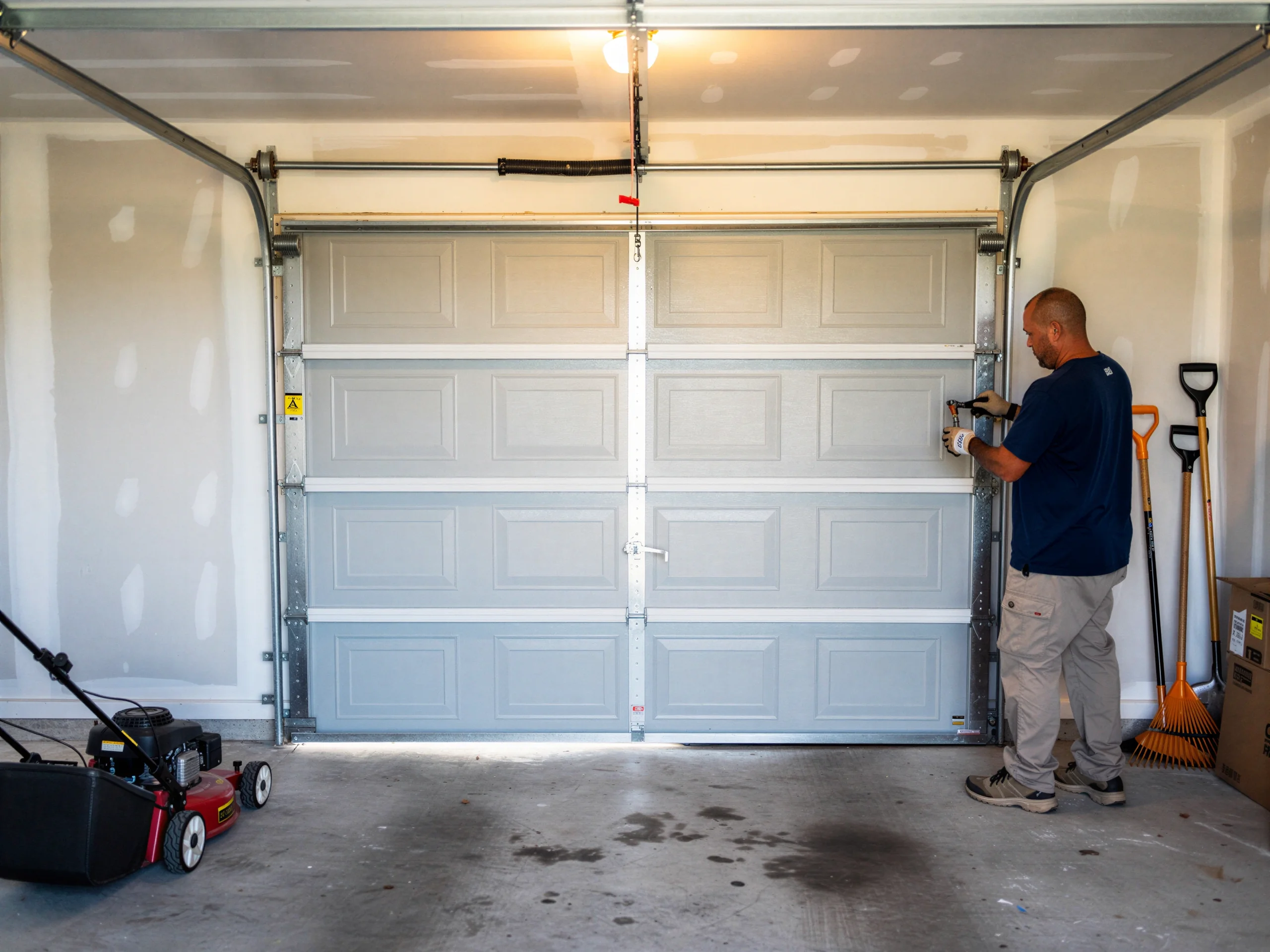
New Door Installation
New garage door installation for Cottonwood Heights homes built around 1978, covered from Sandy, 3 miles away. Learn more →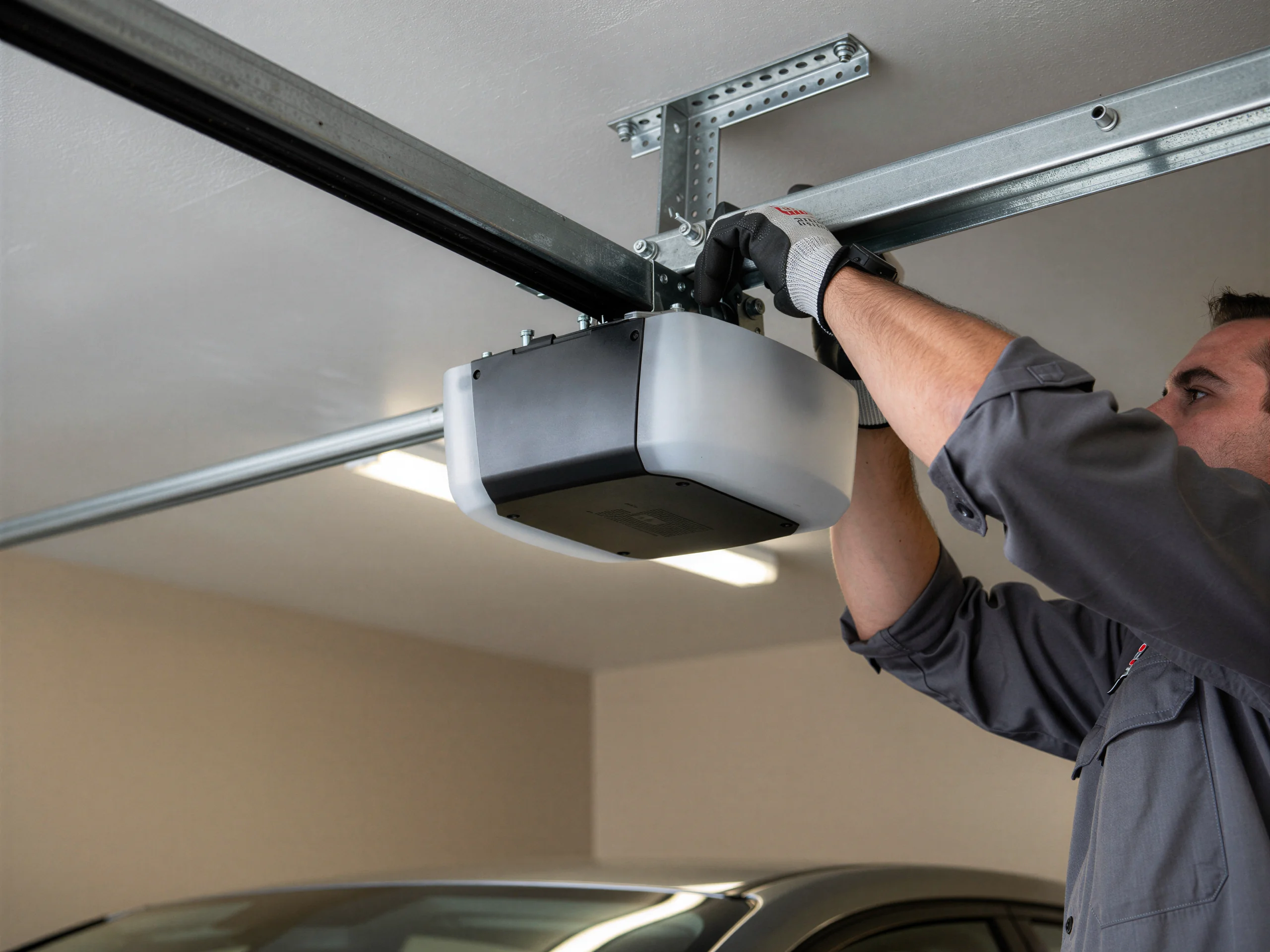
Opener Installation
Cottonwood Heights homes run older than the Sandy-area average, and that changes which opener makes sense. Learn more →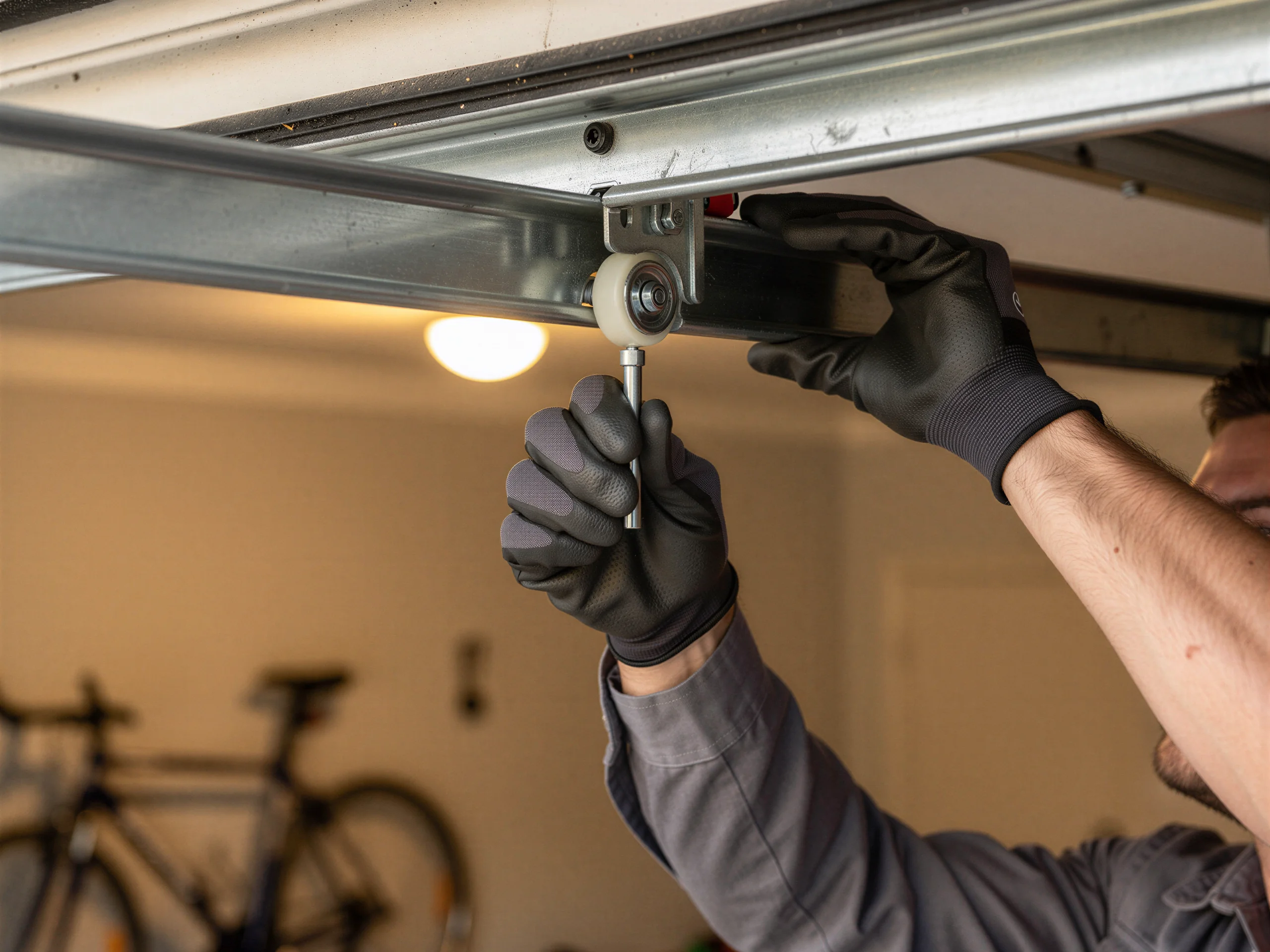
Roller Replacement
Cottonwood Heights homes built around 1978 run steel rollers on worn track that bind up in cold weather. Learn more →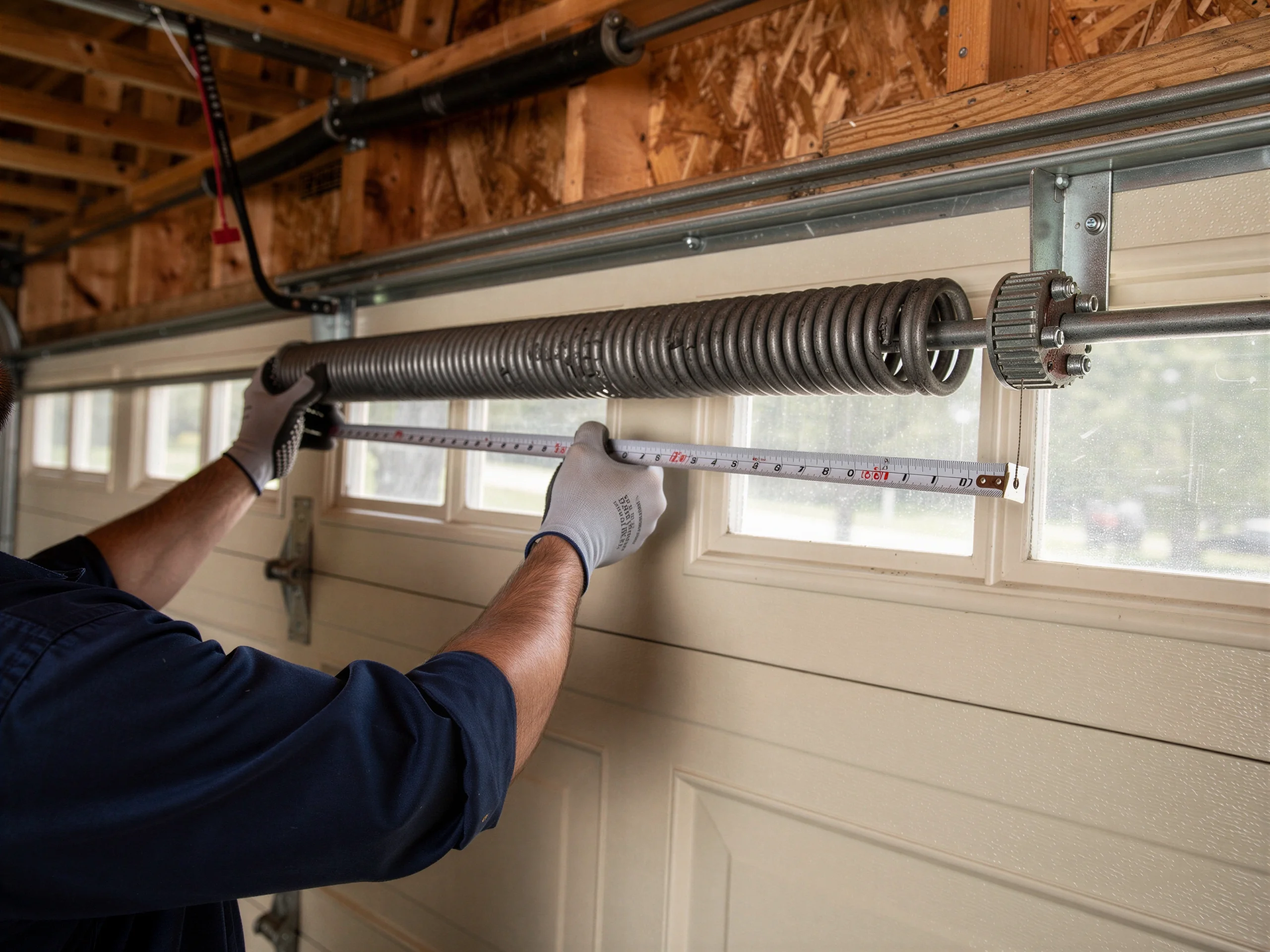
Spring Repair
Most Cottonwood Heights homes date to the late 1970s, which means original torsion springs nearing the end of their life. Learn more →Ready when you are
Garage door opener acting up in Cottonwood Heights?
Sandy Garage Door Pros repairs and installs garage doors, springs and openers in Sandy, UT and the surrounding area.