
Cottonwood Heights, Sandy
Spring Repair for Cottonwood Heights' 1970s Garage Doors
Most Cottonwood Heights homes date to the late 1970s, which means original torsion springs nearing the end of their life. Sandy Garage Door Pros repairs them, 3 miles out.
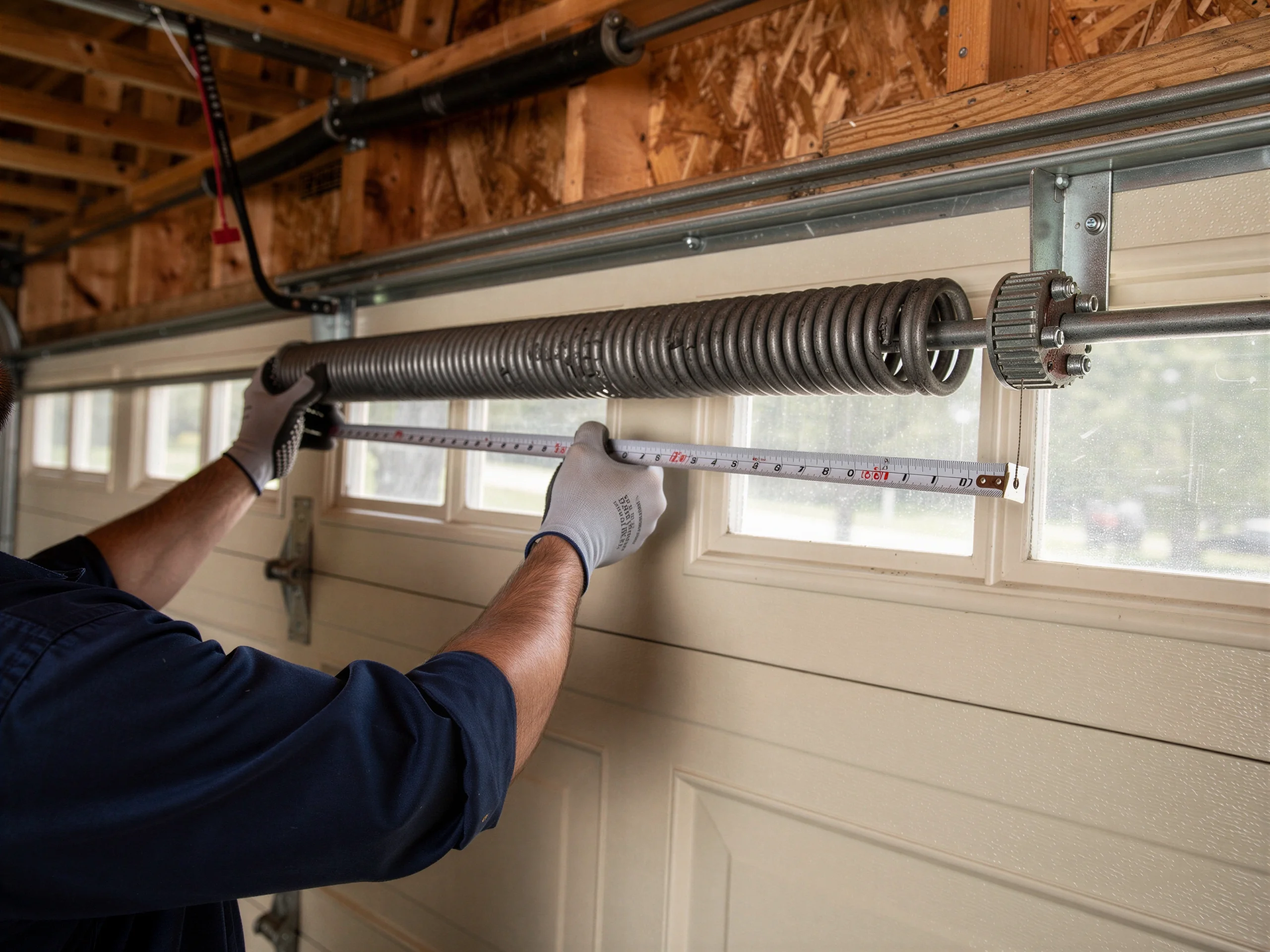
How Long It Takes
A lot of the garage doors in Cottonwood Heights still have the springs that came with the house when it was built, and the housing here runs older than what we see on a lot of our other jobs - median build year 1978, a good twenty years ahead of the 1999 median across the wider service area.
Nonstandard winding cones
That matters for how long a spring job takes, because older torsion setups sometimes have non-standard winding cones or a spring size nobody keeps on the shelf anymore. A straight swap on a double door with standard hardware is usually a same-visit job once we're on site.
Matching shaft and drum
If the door has been re-tracked or the opener swapped out over the decades without the spring being touched, we budget extra time to match the shaft and drum before cutting anything loose.
Warning for long jobs
We're three miles out of Sandy, so travel isn't the variable - the hardware underneath the door is. We'd rather tell you upfront that a job might run long than rush a cut on a spring under tension.
Can You Do This Yourself
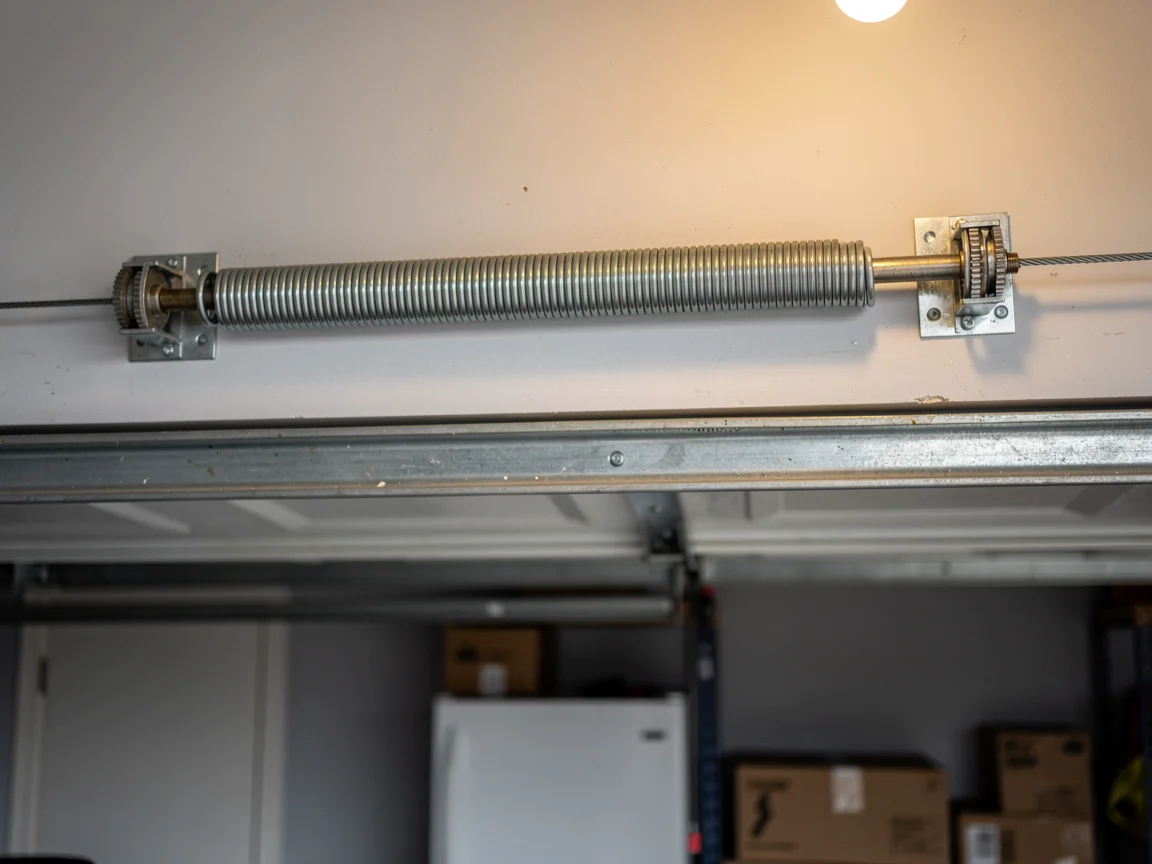
We'll say it plainly: a torsion spring holds a dangerous amount of stored energy, and on a door this old the winding cones can be seized or the shaft slightly bent from decades of use. Watching a video and doing it with borrowed bars is how people lose fingers or crack a skull against the header. If your door is original to a 1978 build, the spring has had roughly four and a half decades to work-harden, especially through winters here - the severe cold cycles the steel repeatedly, and that's usually what finally takes it past its fatigue limit. Brittle, work-hardened wire snaps differently than new wire; it doesn't creak a warning first. The one thing a homeowner can safely do is confirm which kind of spring is overhead - torsion on a bar above the door, or extension stretched along the side tracks - so you can tell us what we're dealing with before we even load the truck.
What the Fix Involves
On a door this age, the job usually starts with sizing the spring correctly rather than assuming the broken one was ever the right size to begin with - plenty of these houses have had at least one prior repair done cheap, with a spring that was close enough instead of matched to the door's actual weight and wind pattern.
Shaft wear grooves
We measure the door, check the drums and shaft for wear grooves, and replace cables and end bearing plates if they show fraying or flat spots, which is common once a spring has been running past its rated cycle count.
Galled winding cones
We also check the winding cones themselves; on original 1978 hardware, these sometimes gall or strip, and if they do, we replace them rather than reuse a cone that won't hold torque safely. We balance the door afterward by hand, checking it holds at waist height before we call the job done.
Second problems flagged first
We don't paint over a bent track or a worn roller just to get the spring job wrapped - if we find a second problem while we're in there, we'll tell you, not add it to the invoice without a conversation first.
What It Costs
We don't publish a flat number here because spring size, door weight, and what else has worn out alongside the spring all move the price, and we're not going to quote blind off a phone description of a door we haven't measured. What we can say: this area's household income runs close to the broader Sandy service area's median of $117,514, and most of what we see here are repair jobs, not full door replacements - the springs fail before the rest of the door does, especially when the opener and panels have been maintained along the way. If a door's track is bent or the panels are rusted through along with the broken spring, replacement sometimes makes more financial sense than a patchwork repair, and we'll say so rather than quote three separate fixes on a door that's done. Ask for a number when we're there with the door in front of us; that's the only estimate worth trusting.
What Is on the Truck
We carry a working range of torsion and extension springs sized for standard residential doors, along with cables, end bearings, and winding cones to match. Because a fair number of doors in this area predate current standard track hardware, we also carry a spread of drum sizes rather than a single stock size, since a 1978-era door doesn't always match what ships on a door built in the 2000s. What we don't carry is every obscure spring wind and wire gauge ever made - if a door has true custom or discontinued hardware, that sometimes means a short order delay rather than a same-visit fix, and we'd rather tell you that than promise a part we don't have in hand. Standard balancing tools, torque bars, and a cordless impact round out the kit for the parts of the job that don't change no matter the house.
Questions
Common questions
Why did my spring break with no warning?
Most springs here are original to houses built around 1978, which means they've likely run well past a typical duty cycle. Cold winters add to the wear - repeated temperature swings work-harden the coil over time. Springs rarely give warning; they're under tension and fail abruptly once the metal fatigues past its limit.
Is it one spring or two on my door?
Depends on the door and how it was built or repaired over the years. Some older single-car doors here run one torsion spring; double doors typically run two. If a prior repair replaced only the broken side, you may have a mismatched pair now - worth having us check both at once.
How far out do you come for a repair here?
We run out of Sandy, and Cottonwood Heights is about 3 miles from there, so it's a short trip for us. We don't keep a branch or depot in Cottonwood Heights itself - every job here is dispatched from the Sandy shop.
Should I replace both springs if only one broke?
If your door is original to the 1970s build era and only one spring has gone, the other is likely close behind in cycle count. We'll look at the wear on both before recommending anything - sometimes replacing the pair together saves you a second service call down the road.
Explore more
More Services in Cottonwood Heights
Garage Door Repair
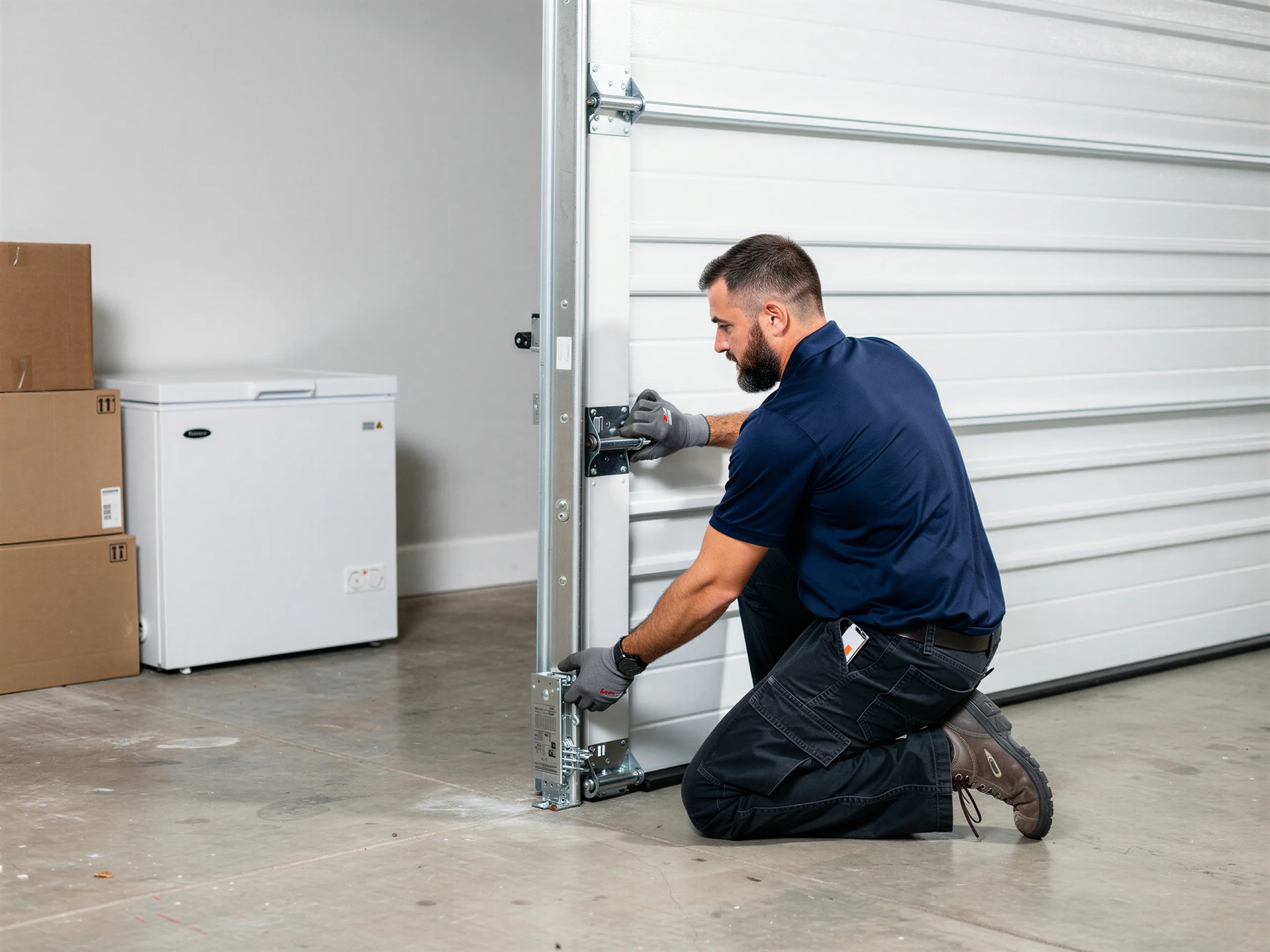
Garage door repair for Cottonwood Heights homes, most built around 1978 with original steel doors and aging spring hardware. Learn more →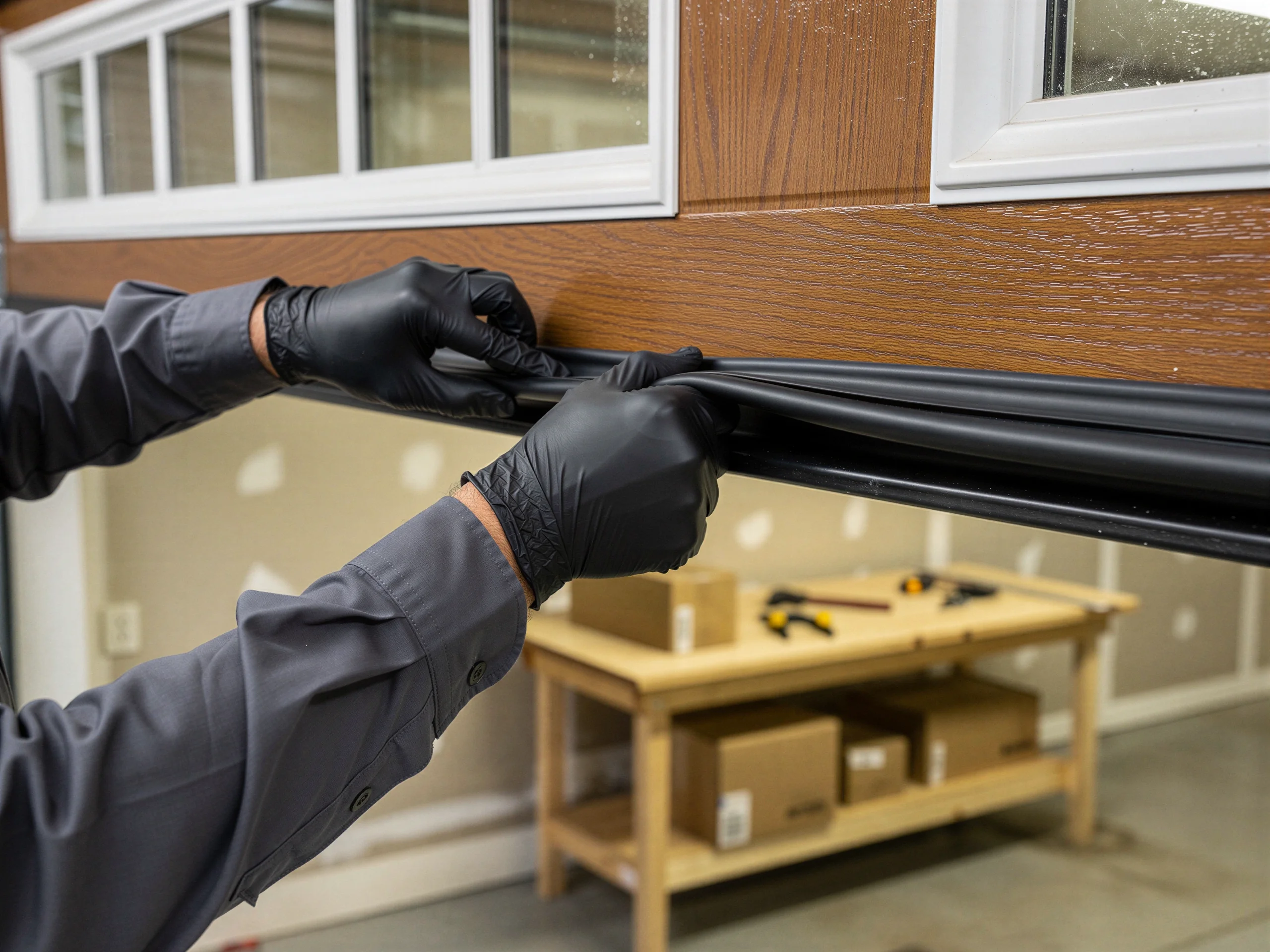
Garage Door Service
Most Cottonwood Heights garage doors date to 1978 - older steel and extension-spring hardware than the rest of the Sandy service area. Learn more →
Maintenance
Cottonwood Heights homes mostly date to 1978, a decade older than the Sandy-area average. Learn more →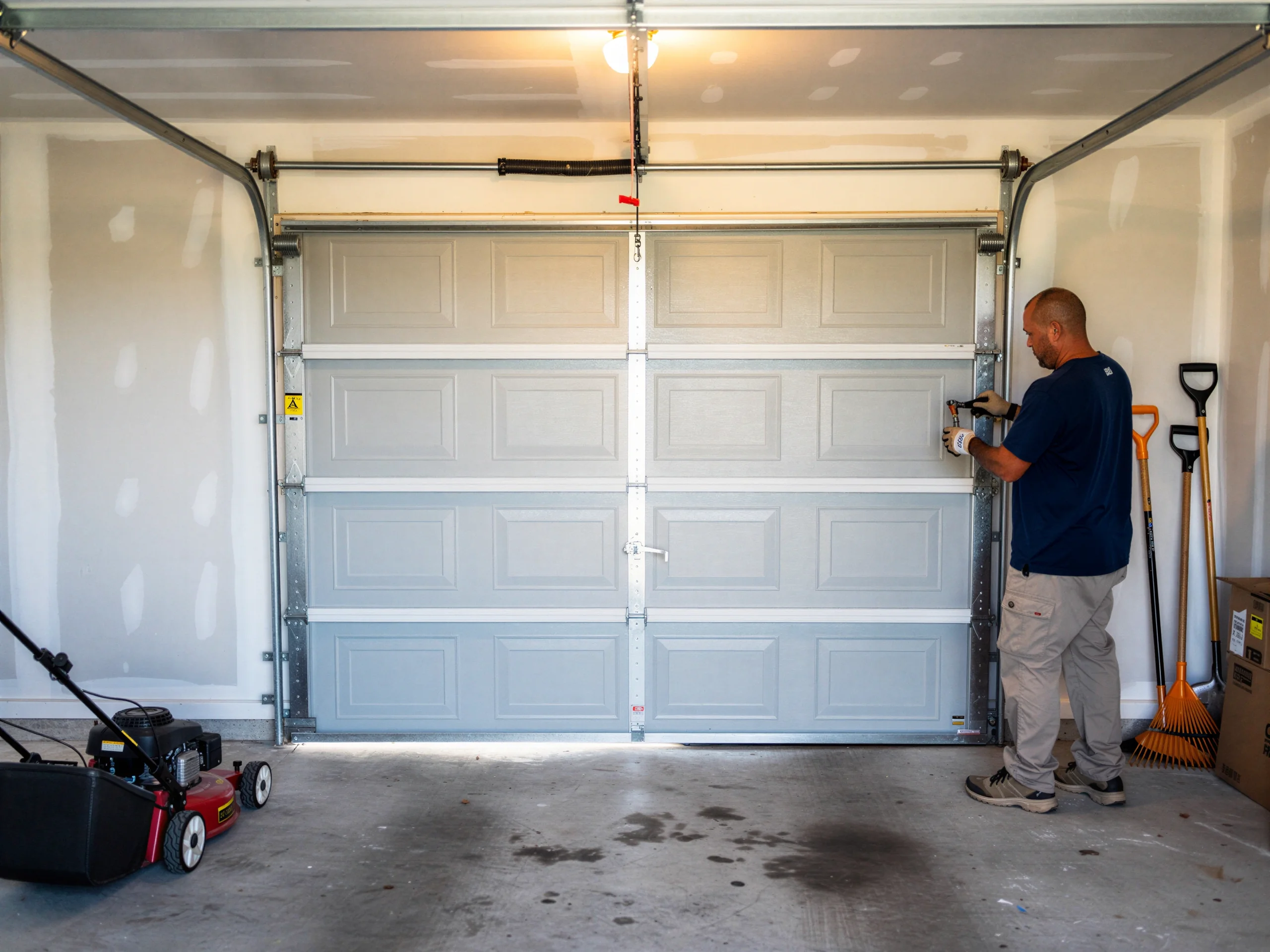
New Door Installation
New garage door installation for Cottonwood Heights homes built around 1978, covered from Sandy, 3 miles away. Learn more →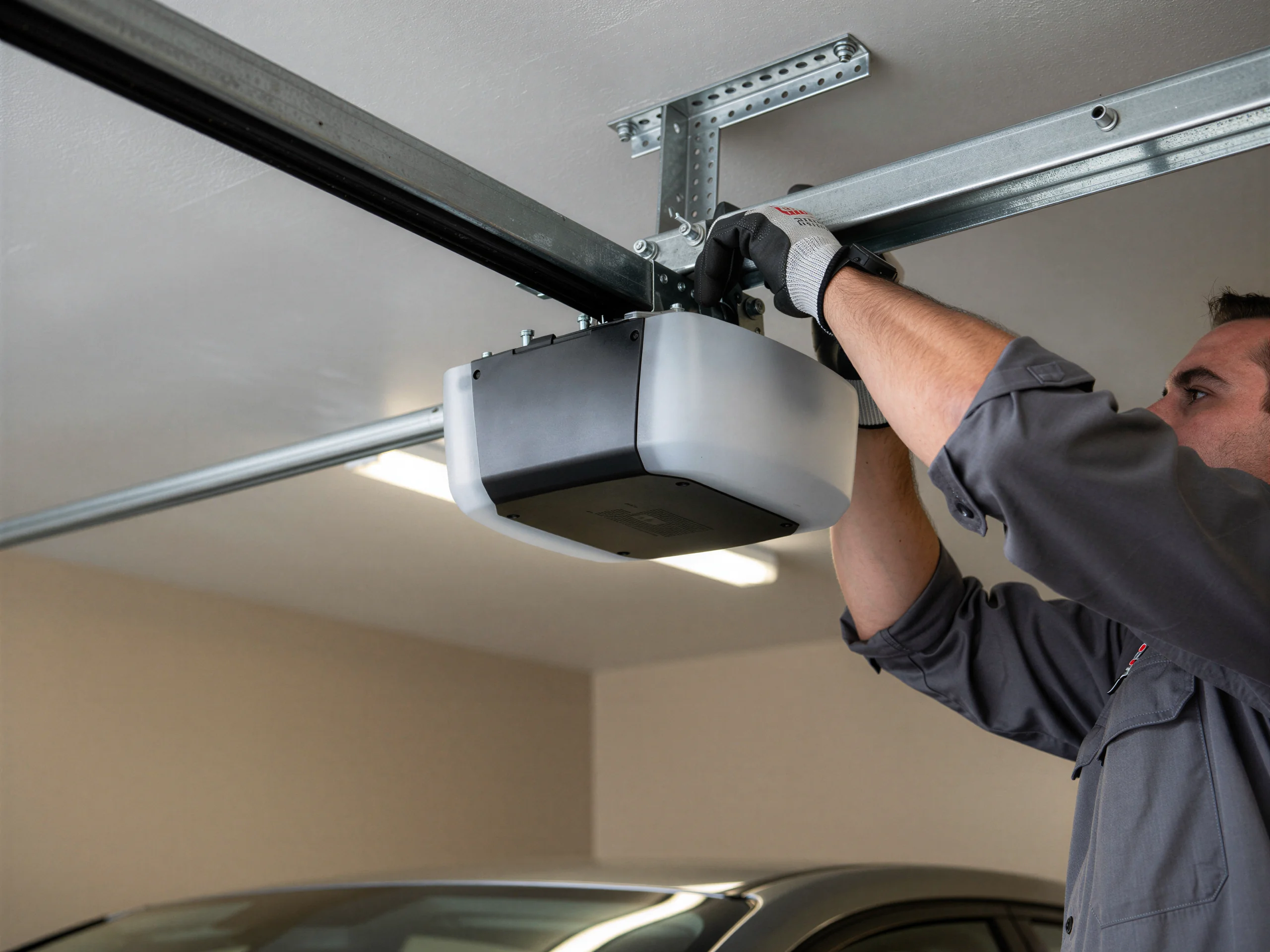
Opener Installation
Cottonwood Heights homes run older than the Sandy-area average, and that changes which opener makes sense. Learn more →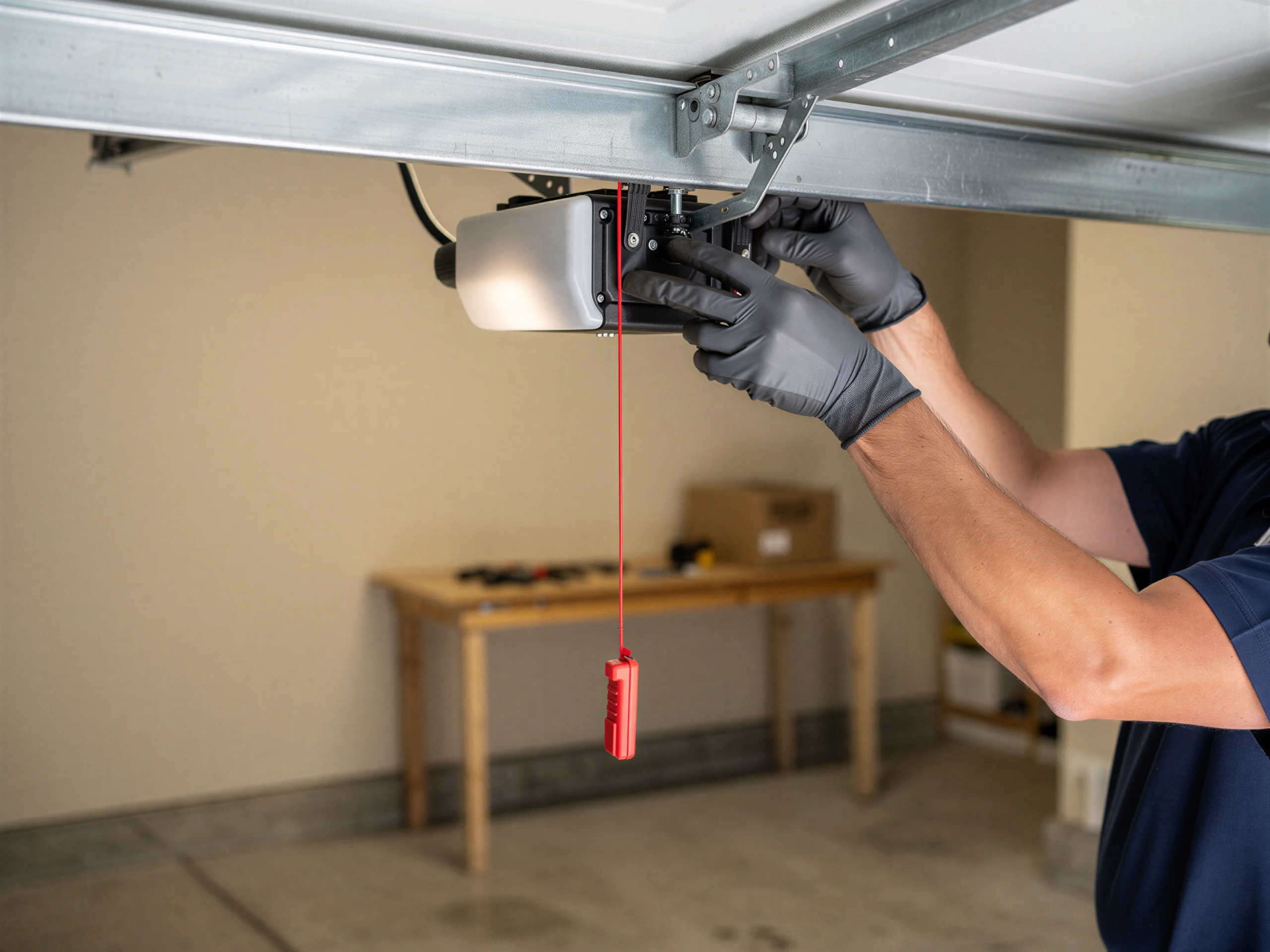
Opener Repair
Opener repair for Cottonwood Heights' 1978-era homes, covered from our Sandy shop 3 miles away. Learn more →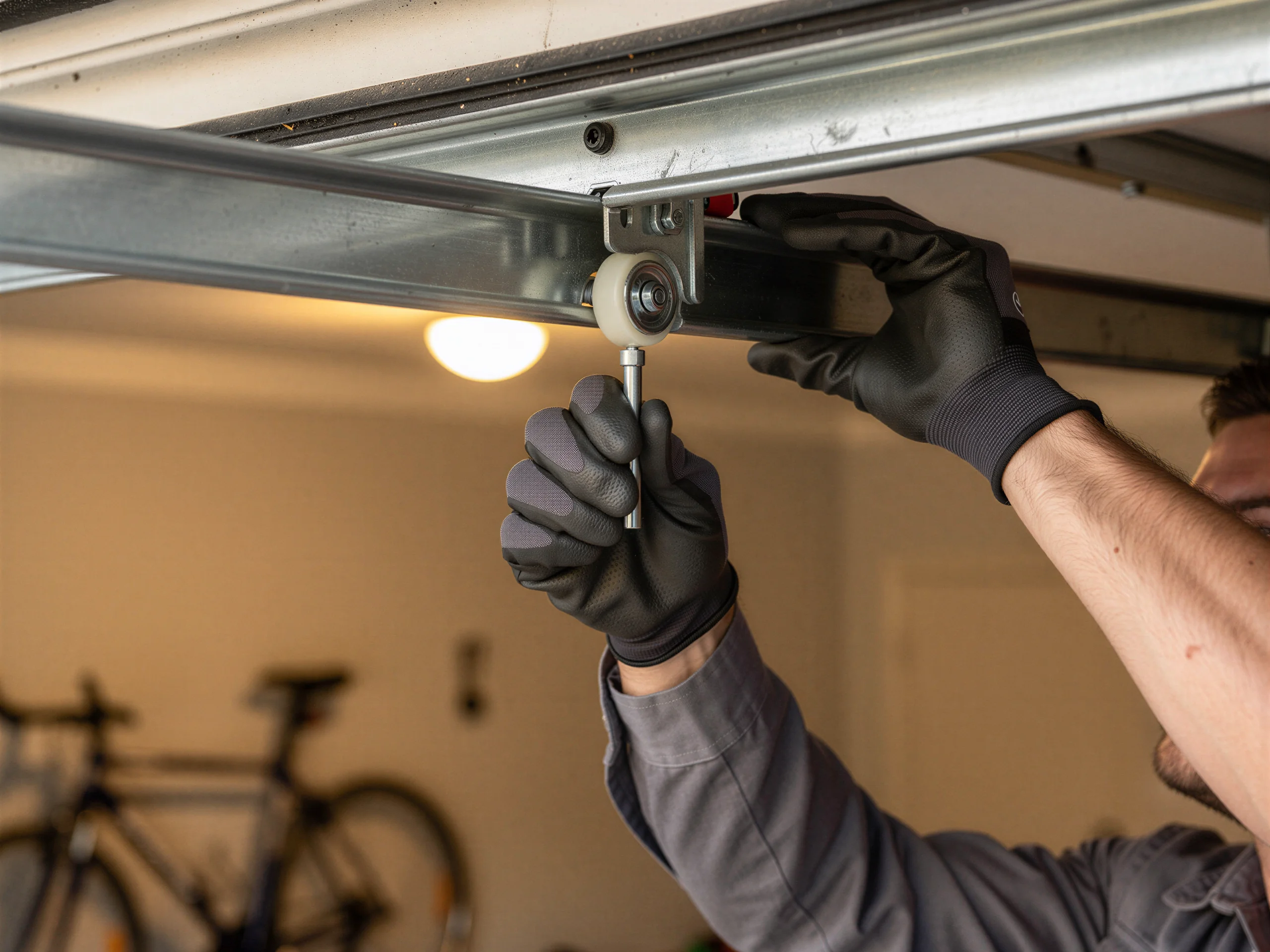
Roller Replacement
Cottonwood Heights homes built around 1978 run steel rollers on worn track that bind up in cold weather. Learn more →Ready when you are
Broken garage door spring in Cottonwood Heights?
Sandy Garage Door Pros repairs and installs garage doors, springs and openers in Sandy, UT and the surrounding area.