
Cottonwood Heights, Sandy
Roller Replacement for Cottonwood Heights Garage Doors
Cottonwood Heights homes built around 1978 run steel rollers on worn track that bind up in cold weather. Here's what roller replacement actually involves, and what it costs.
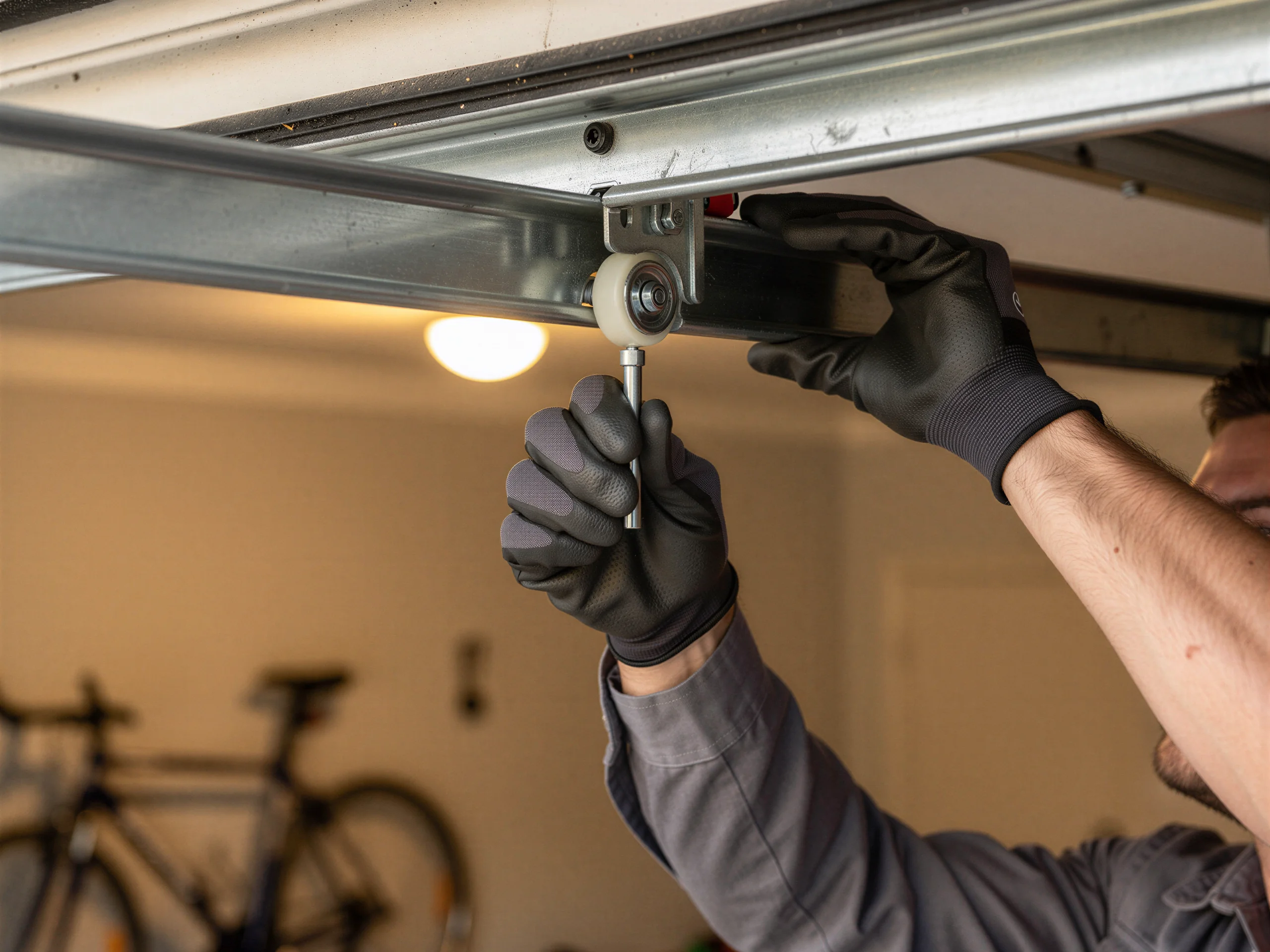
How Long It Takes
Most roller jobs on a Cottonwood Heights door run under two hours once the truck is on site, which is a short trip at three miles from Sandy.
Hidden findings extend time
The time isn't spent driving - it's spent on what we find once the door is open. A lot of these houses date to around 1978, and that means the track brackets are original, the fasteners are rusted or stripped, and one roller rarely fails alone.
Double door roller count
If we're swapping ten steel rollers for nylon on a double door with worn track, plan on the long end of that window. If it's a single door with a couple of bad rollers and clean track, it's closer to forty-five minutes. What stretches a job past two hours is almost always the track, not the rollers themselves.
Track never realigned
On a house this age, the horizontal track has usually taken thirty-plus years of door travel without ever being realigned. Rollers wear out faster in track that's bent, pinched, or just worn oval from decades of steel-on-steel contact, so we check the track before we quote the time, not after.
Can You Do This Yourself
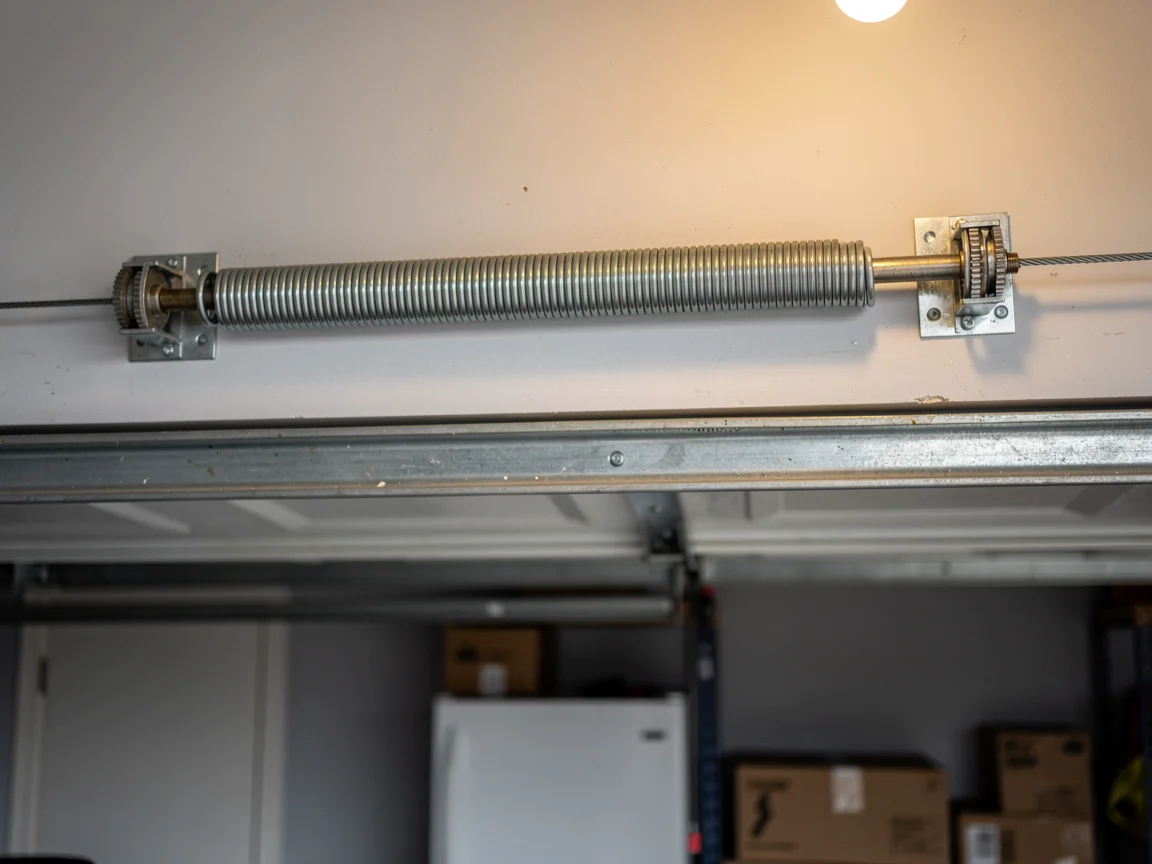
You can replace a roller yourself if the door is down, the opener is unplugged, and you know how to release spring tension safely - the bottom two rollers on either side are generally the easiest, since they're farthest from the spring system.
Track condition, not roller
What trips people up on a 1978-era door is track condition, not the roller itself. The track on these houses often has thirty-plus years of rust pitting and minor bends that aren't visible until you're sighting down the rail with the door moving.
Top rollers stay pro
Our honest limit here: we won't tell you to DIY the top rollers near the spring or the hinges that carry cable load, because a slipped cable under tension is how people get hurt.
Bottom roller DIY limits
If you're comfortable with hand tools and the door is already down and secured, swapping a bottom roller is a reasonable weekend job. Anything involving the spring-side hardware, or track that looks bent rather than just worn, is where we'd rather come look at it first.
What the Fix Involves
On a door built around 1978, the rollers are almost always the original 7-ball steel bearing style, loud, and running in track that's never been swapped.
Stepwise roller removal
We pull the door, check tension, remove the roller stems from the hinges and bottom brackets one at a time so the panel stays supported, and inspect the track each side comes out of.
Stiff grease grinding
In cold-climate service areas like this one, old grease in steel rollers stiffens up in winter, which is often what brings on the sudden grinding noise that gets the call placed in the first place. We replace with sealed nylon rollers on steel stems where the hinge allows it - quieter, and they don't need the periodic lubrication steel rollers do.
Flagging track damage
If the track itself is bent or pitted past the point where a new roller will ride smooth, we flag that separately; a new roller in bad track just wears out again. We don't push a full track replacement unless the door's actually asking for one.
What It Costs
We don't publish a flat number here because the spread between a four-roller tune-up and a full ten-roller swap with hinge replacement is real, and the house's age drives which end of that spread you land on.
Questions
Common questions
Why do garage door rollers wear out faster on Cottonwood Heights homes than newer construction?
A lot of the housing stock here dates to around 1978, well before the nylon roller became standard. Original steel rollers run louder, need periodic grease, and wear the track they ride in - so by now both the roller and the track it's been riding in for decades are usually due.
Does cold weather actually affect garage door rollers?
Yes. This area sits in a severe cold climate band, and old grease in steel roller bearings stiffens in low temperatures. That's why a door that's been getting noisier all fall often seizes up or grinds hard on the first real cold snap.
Do you have a shop or branch in Cottonwood Heights?
No. We run out of Sandy, about three miles away, and cover Cottonwood Heights from there. There's no separate branch or depot here - just a short drive for the truck.
Can a worn roller be the reason my opener struggles to lift the door?
Often, yes. A roller binding in bent or pitted track adds resistance the opener has to fight on every cycle. On a door this age, replacing the rollers sometimes fixes what looks like an opener problem.
Explore more
More Services in Cottonwood Heights
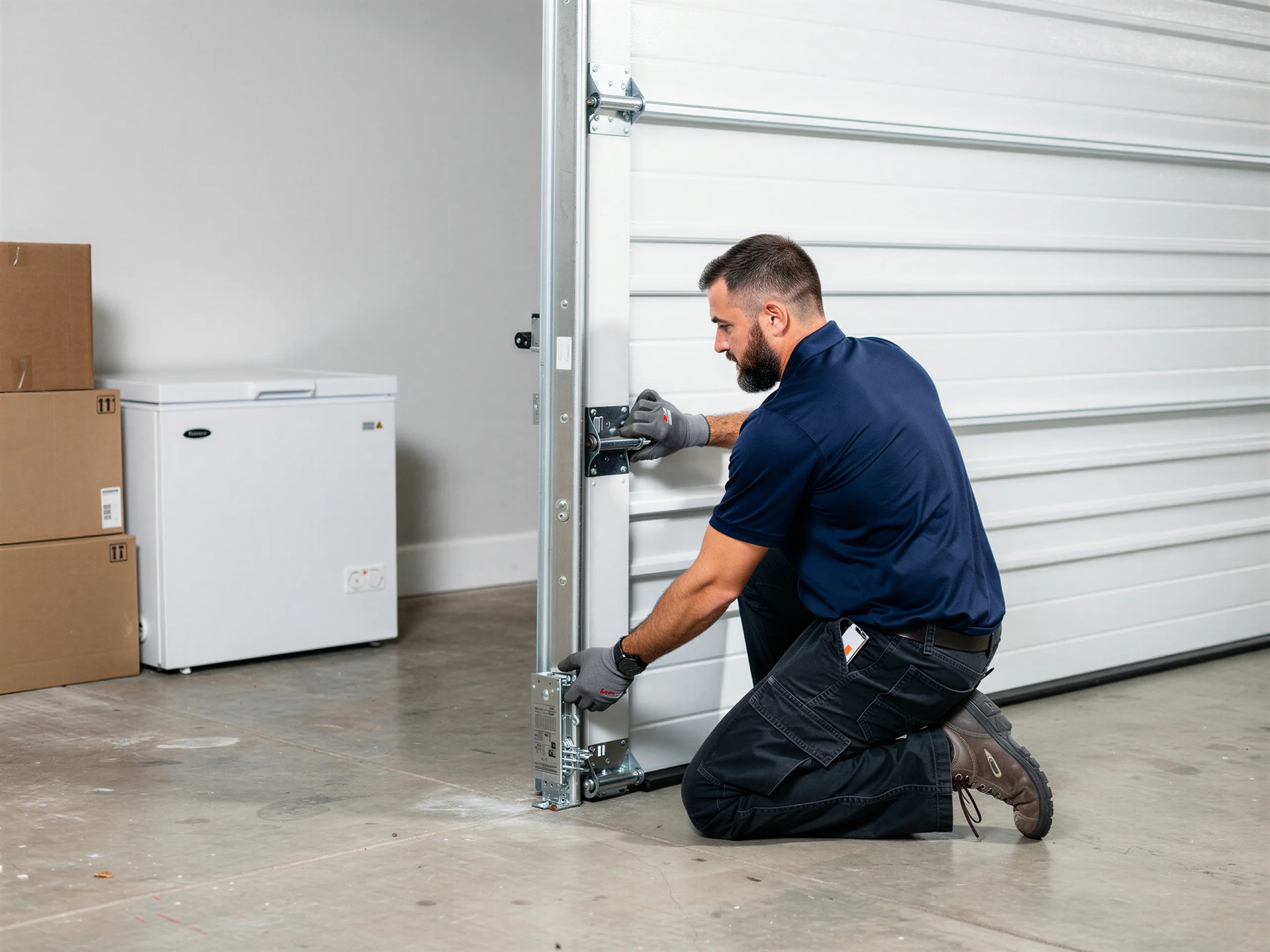
Garage Door Repair
Garage door repair for Cottonwood Heights homes, most built around 1978 with original steel doors and aging spring hardware. Learn more →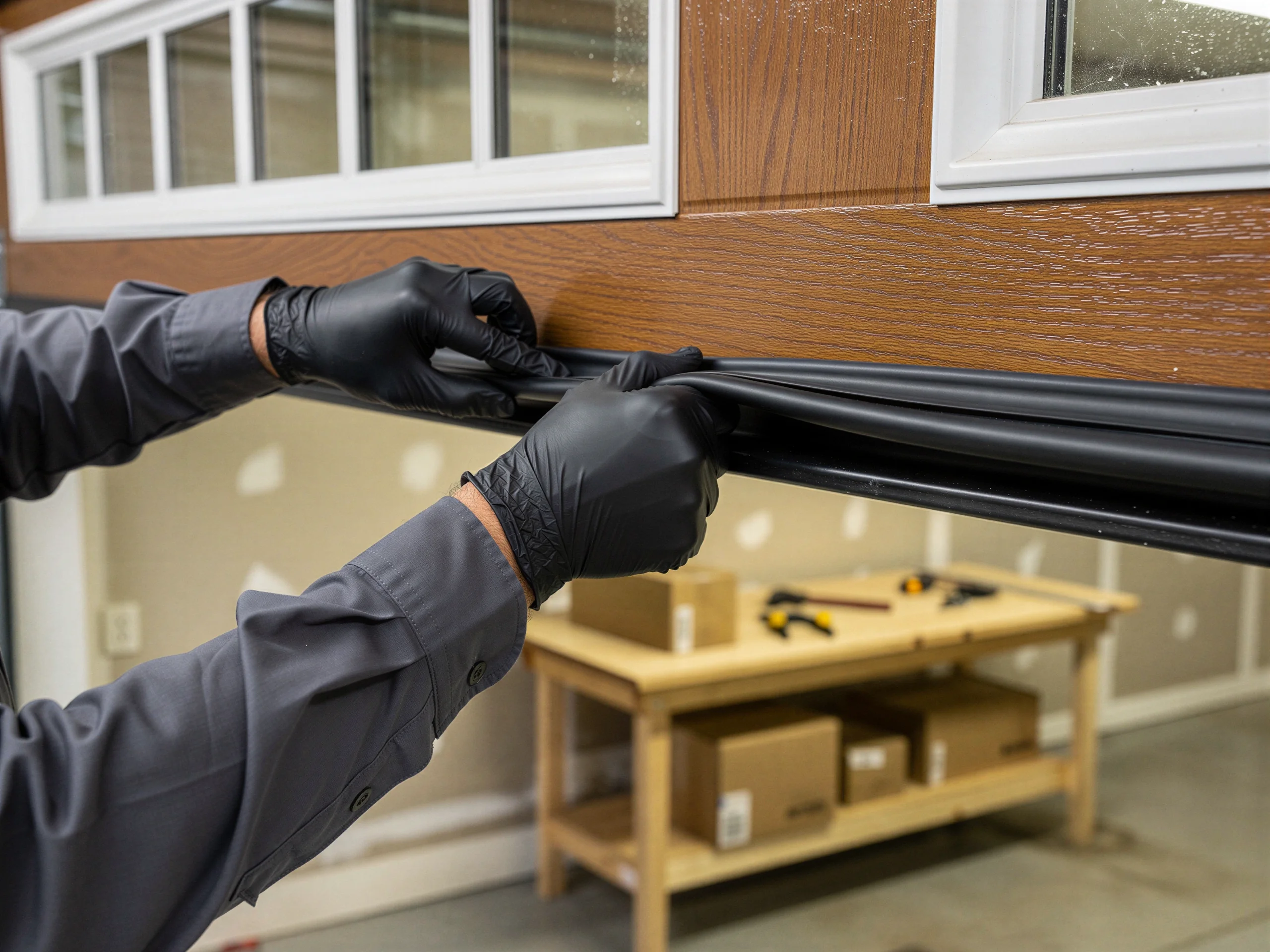
Garage Door Service
Most Cottonwood Heights garage doors date to 1978 - older steel and extension-spring hardware than the rest of the Sandy service area. Learn more →
Maintenance
Cottonwood Heights homes mostly date to 1978, a decade older than the Sandy-area average. Learn more →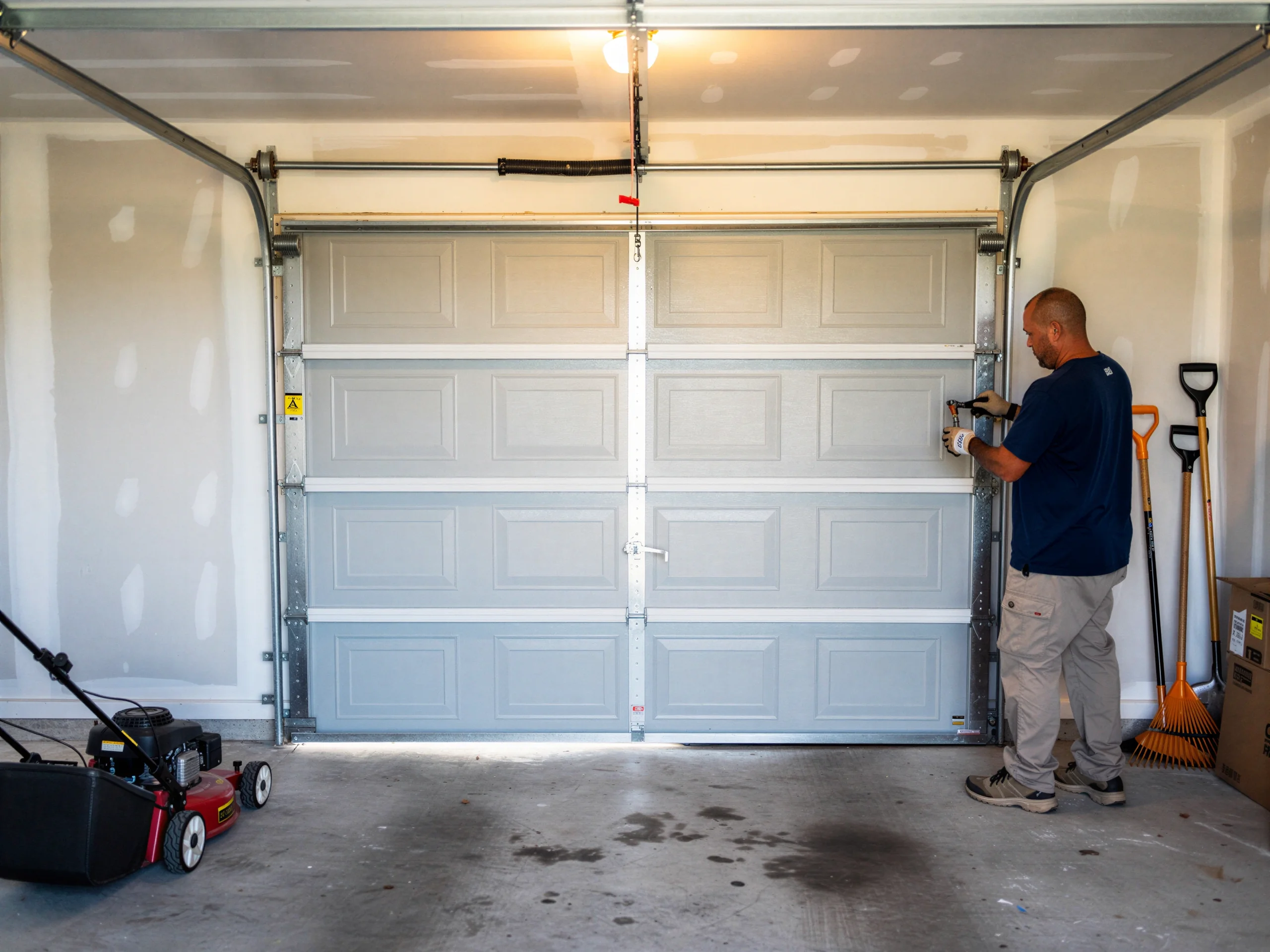
New Door Installation
New garage door installation for Cottonwood Heights homes built around 1978, covered from Sandy, 3 miles away. Learn more →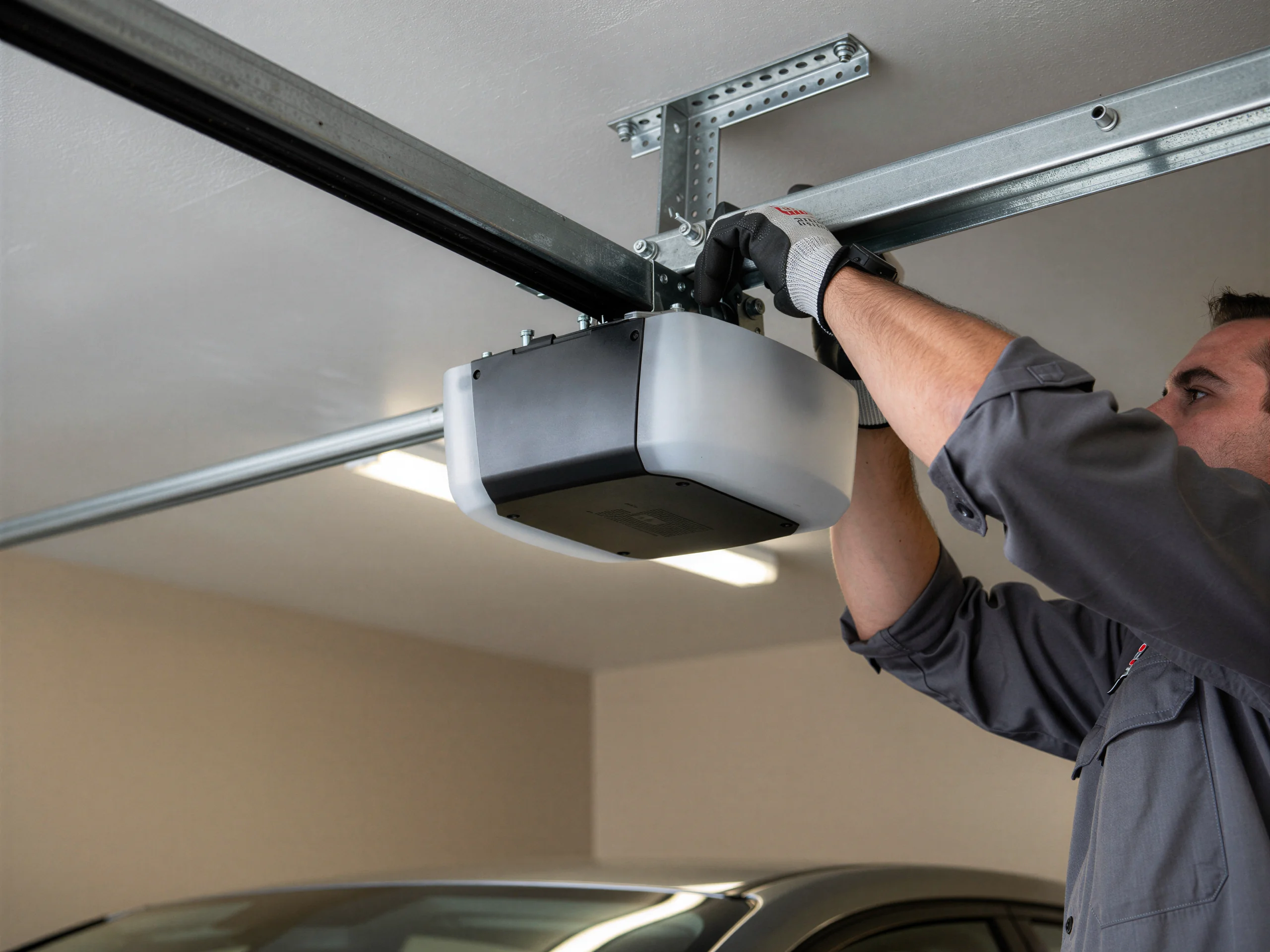
Opener Installation
Cottonwood Heights homes run older than the Sandy-area average, and that changes which opener makes sense. Learn more →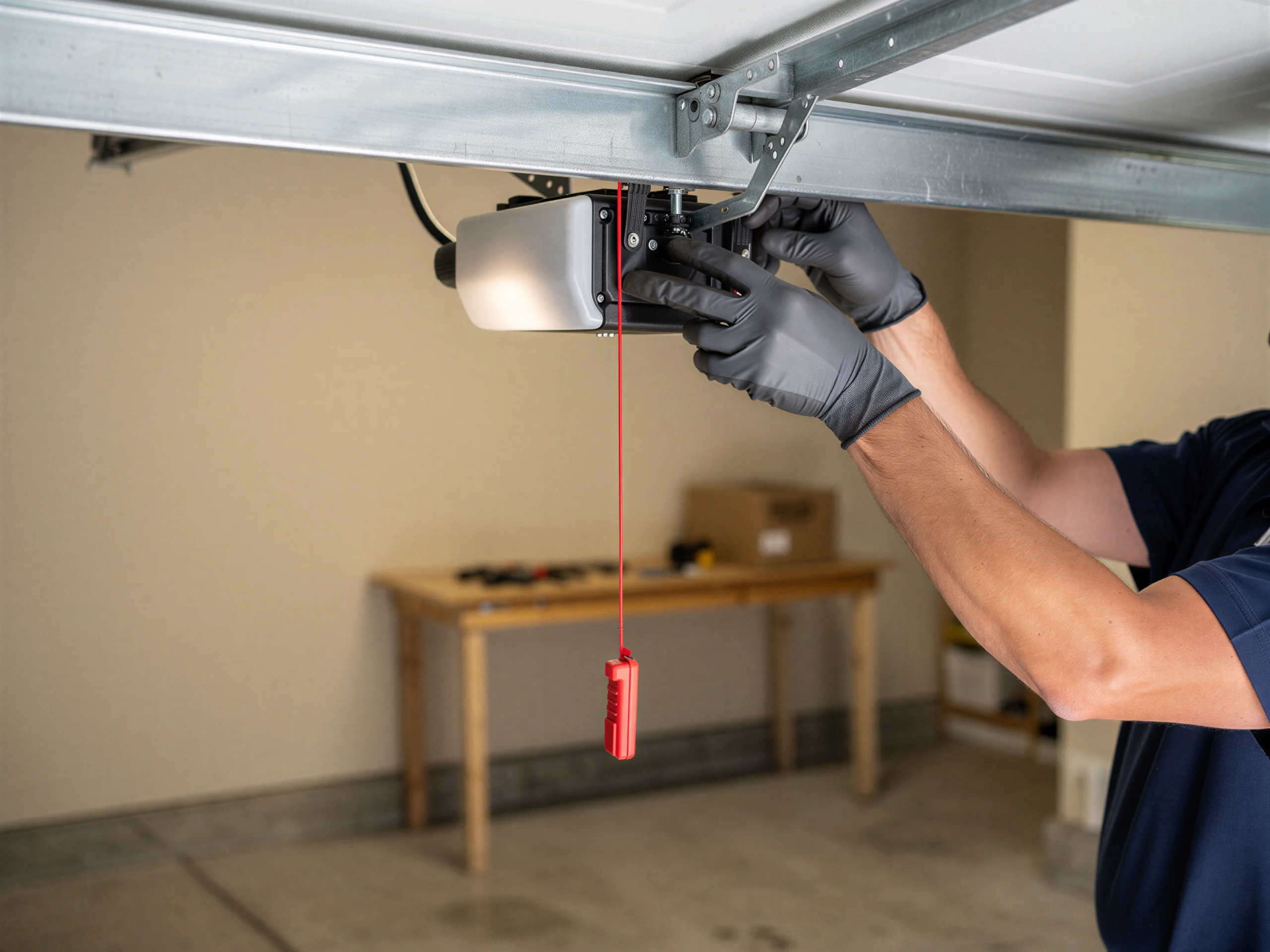
Opener Repair
Opener repair for Cottonwood Heights' 1978-era homes, covered from our Sandy shop 3 miles away. Learn more →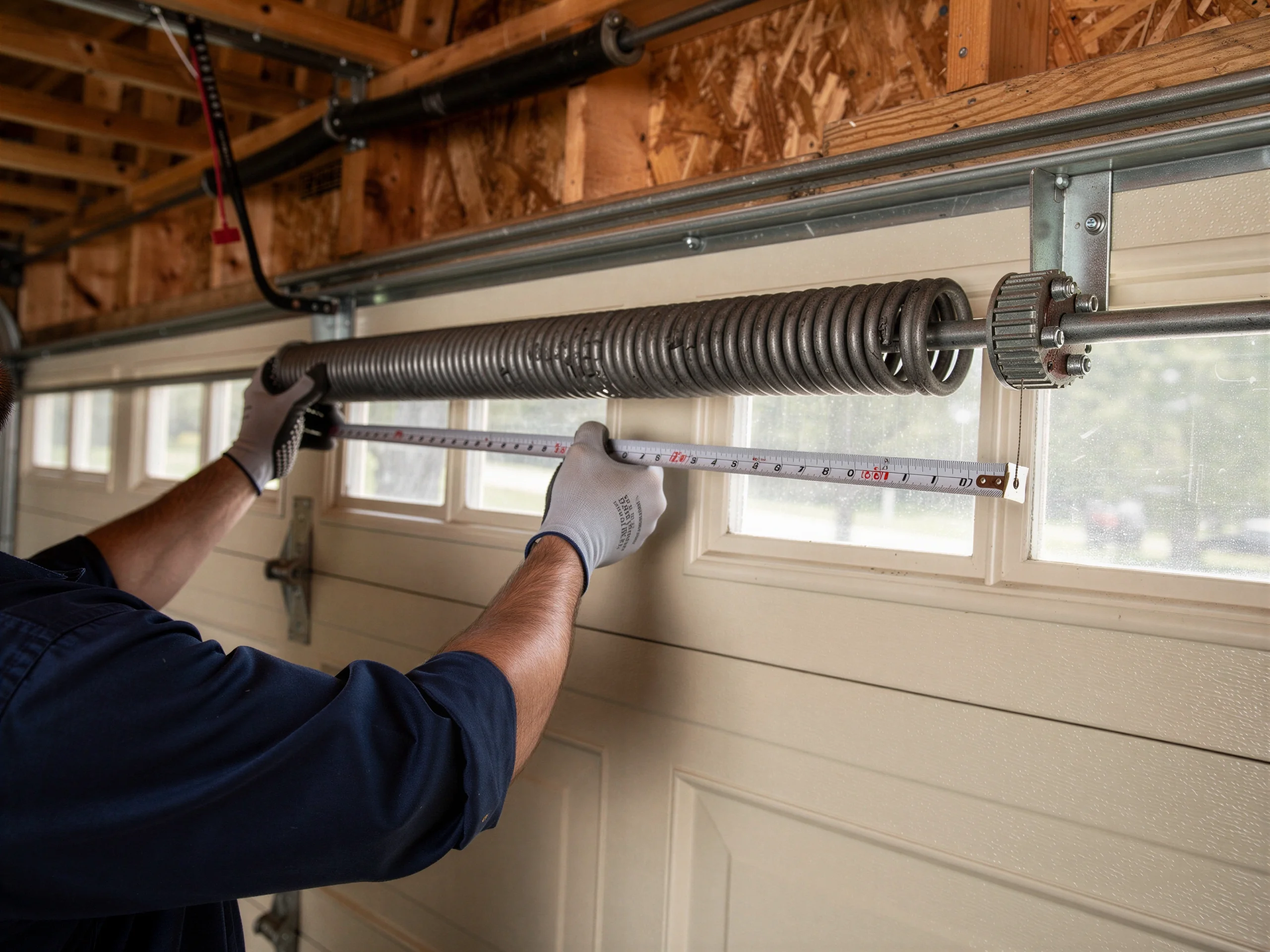
Spring Repair
Most Cottonwood Heights homes date to the late 1970s, which means original torsion springs nearing the end of their life. Learn more →Ready when you are
Noisy or worn garage door rollers in Cottonwood Heights?
Sandy Garage Door Pros repairs and installs garage doors, springs and openers in Sandy, UT and the surrounding area.